
Construction has begun on a major underground uranium mine in the southwestern Athabasca Basin, marking a significant expansion of Saskatchewan’s role in the global nuclear fuel market.
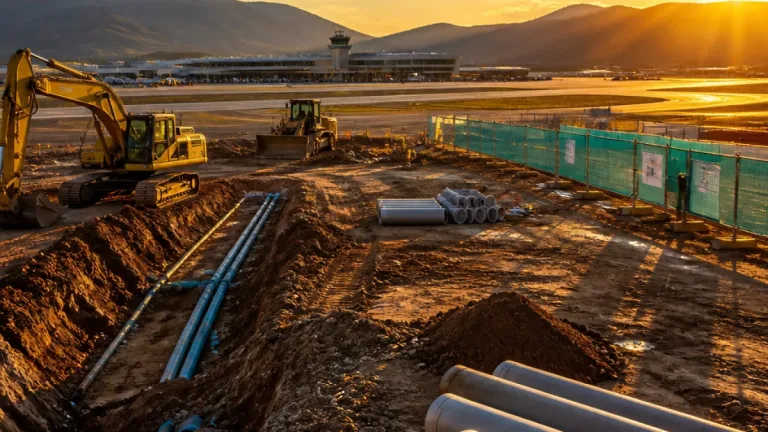
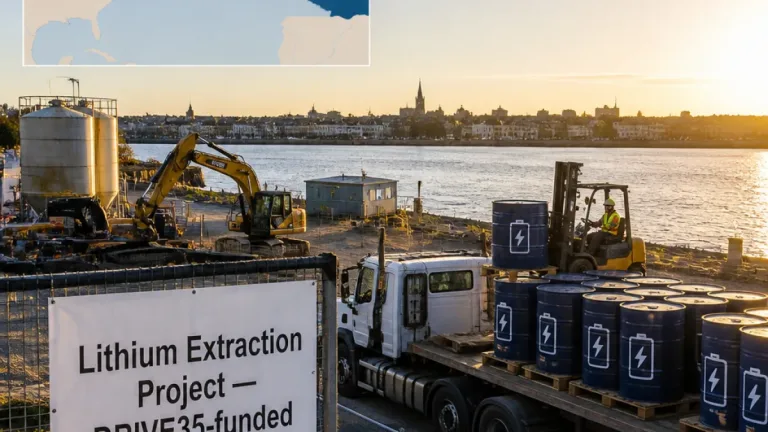
Crews broke ground this week at the Rook I project on the Patterson Lake peninsula, about 640 kilometres northwest of Saskatoon near the Alberta border, where Vancouver-based NexGen Energy Ltd. plans an underground mine and on-site mill. Company officials say construction is expected to take around four years.
Scale and output
NexGen describes the mine as having the potential to be among the world’s largest and lowest-cost uranium producers. Once fully operational, the project could produce up to 30 million pounds of uranium annually — a volume the company says would represent roughly 20 per cent of current global supply and about 50 per cent of supply in the western hemisphere.
| Metric | Figure |
|---|---|
| Estimated annual production | 30 million lbs |
| Share of world supply (approx.) | 20% |
| Share of western hemisphere supply (approx.) | 50% |
| Construction timeline | ~4 years |
The company is also building a processing mill on site, meaning ore will be refined close to where it is mined rather than shipped elsewhere for processing.
Local and provincial context
Officials from NexGen and provincial government attended a shovel-turning ceremony at the site Thursday. Saskatchewan Premier Scott Moe and other dignitaries were present, highlighting the provincial interest in expanding resource production and supporting jobs in the north.
Buckley Belanger, secretary of state for rural development and the member of the legislative assembly for the region, said the project will create jobs and supply uranium to global markets.
“This is going to create a lot of jobs, and it is going to provide critical supplies of uranium to the world markets,” said Buckley Belanger.
Company founder and CEO Leigh Curyer framed the project as globally significant and said NexGen sought innovations and technologies from outside traditional mining to advance the operation.
Broader market and policy drivers
The timing of the Rook I start coincides with rising international demand for uranium, driven in part by renewed interest in nuclear power as a low-emissions electricity source. Ottawa issued a national nuclear energy strategy in June that contemplates expanding domestic nuclear generation and growing exports, including plans that could see up to 10 new large-scale reactors built by 2040.
For Saskatchewan — already one of the world’s leading uranium-producing jurisdictions historically — the project underscores the province’s continued strategic importance to global fuel supplies. NexGen’s projection that Rook I could supply a substantial share of world production, if realized, would make Saskatchewan even more central to uranium markets.
Local implications and next steps
Construction is slated to span several years, and the project’s progression will be watched by communities in northern Saskatchewan for employment opportunities and the potential effects on local infrastructure and services. NexGen has highlighted job creation in its public comments, and the presence of an on-site mill suggests a significant, long-term local footprint.
Regulatory, environmental and indigenous consultation processes have been part of the project’s path to development. The commencement of construction is an important milestone; however, detailed timetables for ramp-up of production and workforce numbers were not released at the ceremony.
- Construction timeframe: approximately four years
- Planned output: up to 30 million pounds of uranium per year
- Processing: on-site mill to refine ore
As the Rook I site moves from ceremony to active construction, the province and company officials will face the practical work of building roads, camps and facilities in a remote part of the Athabasca Basin. For residents and workers in northern Saskatchewan, the project represents both opportunity and long-term change tied to global energy markets.