
Cleanup and recovery are under way at the Brandon Research and Development Centre after rising waters of the Assiniboine River inundated several experimental crop fields this summer. With Grand Valley Road reopened last Friday, researchers are continuing damage assessments and deciding which trials can still yield usable data.
Extent of damage and immediate response
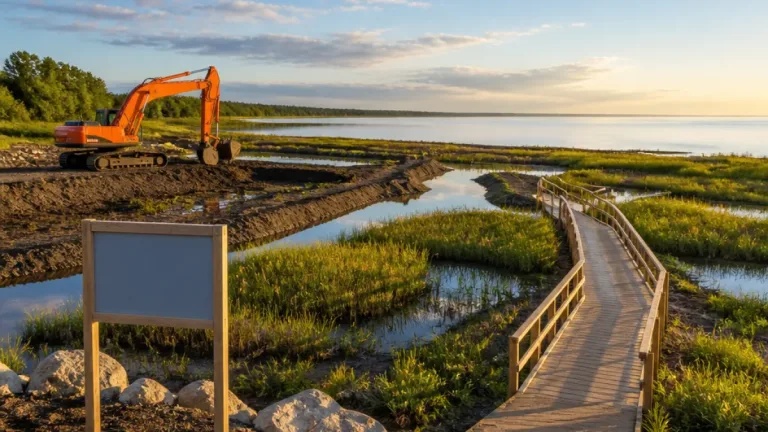
Of the centre’s roughly 2,000 acres of crop test plots, researchers estimate about 400 acres suffered some degree of damage from overland flooding that accompanied extreme rainfall in late June and early July. The river peaked at Brandon on the night of July 12, and the scale of impacts varied across fields.
Dr. Ana Badea, a barley research scientist and acting associate director at the research centre, told local media that some trials were completely submerged and lost while others experienced only partial flooding. Based on initial assessments, she said affected portions of individual trials ranged from 10% to 30%.
"Some field trials were completely inundated, resulting in the total loss of those plots and tests. However, on the bright side, other trials experienced only partial flooding,"
With road access restored, staff have shifted from immediate flood response to recovery work, focusing on cleanup, further evaluation of plots and decisions about whether remaining trials should proceed to harvest and processing.
What researchers are evaluating
Scientists are assessing a number of factors before deciding whether to salvage data or move forward with processing test samples. Those include field-specific damage, potential contamination from floodwaters, and the suitability of partially affected plots for harvest and reliable data extraction.
- Data integrity: determining whether flooded trials can still produce reliable research results.
- Harvest suitability: deciding if affected plots should be harvested and processed.
- Cleanup and access: continuing to clear debris and restore field access now that Grand Valley Road is open.
Local context and implications
The research centre’s trials include malting barley varieties among other crops and contribute to provincial and national agricultural research. Losses to trial plots can delay or complicate varietal assessments and breeding programs, particularly when multiple plots are affected across a growing season.
Research staff emphasised a cautious optimism: while some plots were total losses, others may still yield usable information. The centre’s ongoing work will determine whether results from partially affected trials remain valid for researchers, growers and industry partners who rely on those findings.
The flooding at Brandon followed extreme rainfall events across western Manitoba, where some areas recorded between 70 and 150 millimetres of rain in late June and early July. Those conditions contributed to rises in the Assiniboine River that led to the inundation of low-lying agricultural lands, including parts of the research centre.
| Item | Figure |
|---|---|
| Total crop trial area | 2,000 acres |
| Estimated affected area | 400 acres |
| River peak in Brandon | July 12 |
As assessments continue, the centre will determine which trials move forward to harvest and processing, and which datasets must be discarded. The outcome will shape research timelines in Brandon and beyond, and guide growers who look to the centre’s work for variety recommendations and agronomic guidance.
Provincial agricultural researchers and local producers will be watching the recovery closely; the centre’s evaluations will be important for planning next season’s trials and for understanding longer-term impacts of this summer’s extreme weather on research capacity.
Staff continue cleanup activities and detailed evaluations this week, noting that some useful results may still be recovered from partially affected plots.