New York University‑based cybersecurity and policy expert Dr. Hoda A. Alkhzaimi says the future of artificial intelligence regulation must include independent verification and adversarial testing to reduce systemic risk. Her comments, delivered on a podcast episode focused on AI regulation, frame governance as a multidisciplinary challenge that extends beyond technical fixes.
From sovereign funds to cryptography to AI policy
Alkhzaimi, who serves as associate vice provost for research translation and innovation at New York University Abu Dhabi and co‑chairs the World Economic Forum's cybersecurity council, described a career path that moved from financial risk management into mathematics and cryptography. She told the podcast host that both domains share a central focus: managing uncertainty through rigorous analysis.
The transition, she said, is less a leap between unrelated fields and more a shift in tools applied to a common problem — identifying where systems are fragile and removing the assumptions that create hidden failure modes.
Why independent verification matters
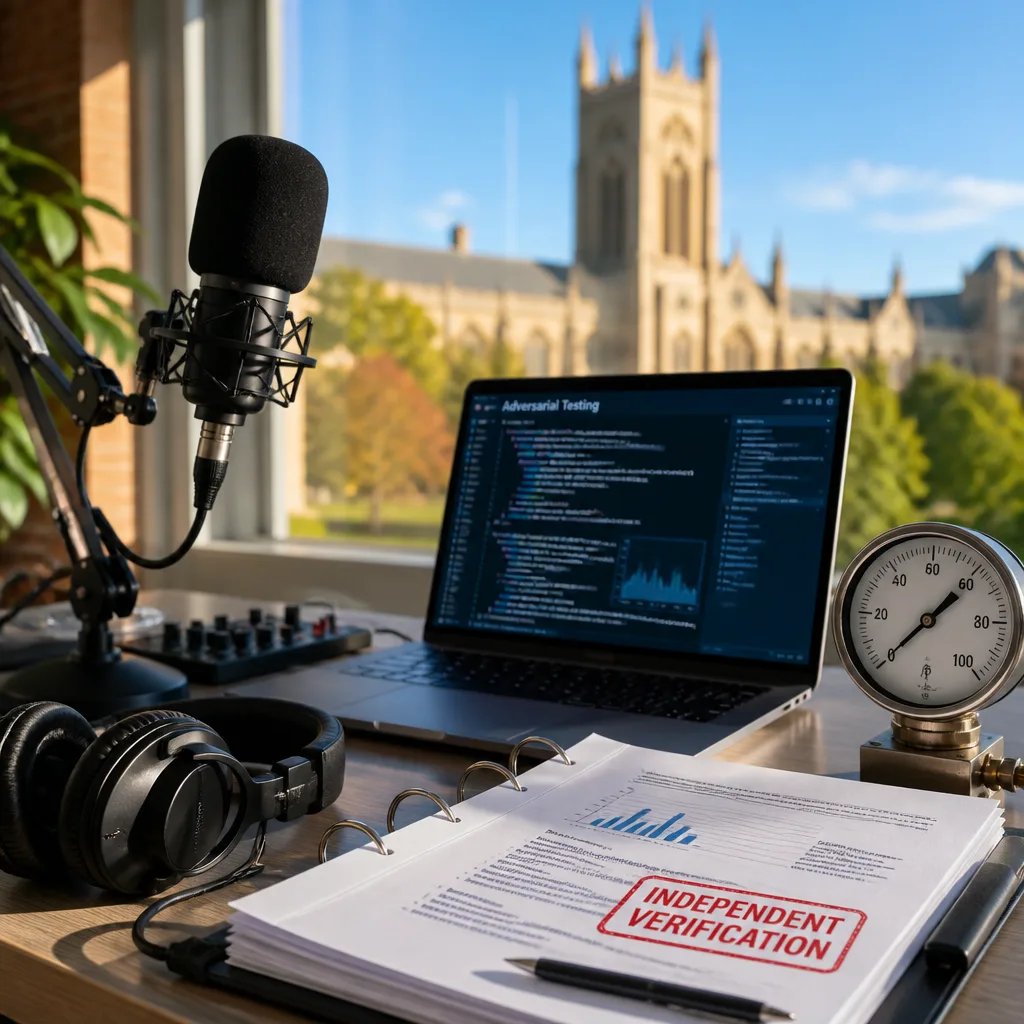
In the discussion, Alkhzaimi argued that verification by independent parties is essential for building trust in high‑stakes technology. That includes stress testing AI models to surface vulnerabilities that could be exploited or that could cause unintended harm. The aim, she said, is to move from declarative assurances to evidence‑based validation.
“we have to have these kinds of adversarial stress testing approaches that are independent in order to verify the level of governance and trust that we have within the system and to avoid any fragility, any kind of vulnerabilities that might exist.”
The emphasis on independence is notable: Alkhzaimi warned against overreliance on vendor self‑certification or unverified compliance claims. She framed adversarial testing as a governance tool that exposes failure modes, enabling policymakers and operators to design mitigations before incidents occur.
Cross‑disciplinary insights and geopolitical context
Alkhzaimi brought together perspectives from finance, mathematics and national security to argue that AI governance cannot be confined to engineers. She noted that areas such as sovereign risk assessment, cryptanalysis and strategic foresight share common methods for coping with complexity and uncertainty.
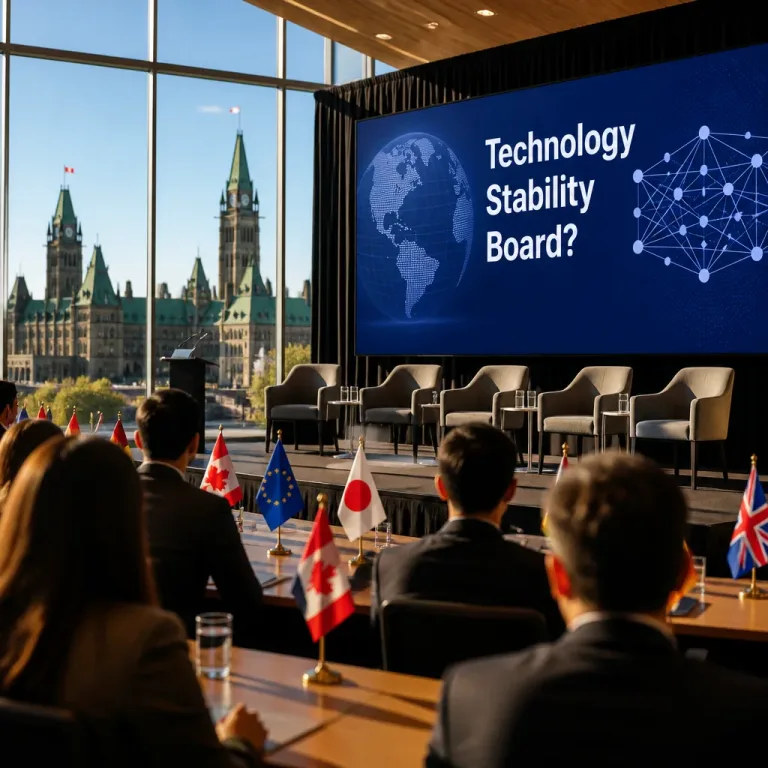
Her role at international fora such as the World Economic Forum positions her at the intersection of policy and practice, where frameworks for trust and verification are actively debated. The podcast highlighted the need for diplomacy, interoperable standards and cooperative mechanisms to manage AI risks that cross borders.
Practical steps and implications
While the podcast covered broad themes rather than a detailed regulatory roadmap, several concrete implications emerge for governments and institutions considering AI oversight:
- Independent testing: Mandate or incentivize third‑party adversarial assessments of critical AI systems.
- Multidisciplinary review: Include economists, cryptographers and risk modellers in governance structures alongside technologists.
- International coordination: Develop shared methods and transparency expectations to manage transboundary risks.
| Role | Relevance to AI governance |
|---|---|
| Cryptographers | Analyse structural weaknesses, inform secure design |
| Economists / risk analysts | Model systemic vulnerabilities and long‑term impacts |
| Policy makers / diplomats | Coordinate standards and cross‑border enforcement |
The overarching message is that credible governance requires verifiable evidence, not only promises. That is a practical distinction: regulations and procurement rules that demand independent testing will shift incentives for developers, vendors and purchasers of AI systems.
For Canadian policy makers and institutions, the conversation underscores the value of building capacity for independent evaluation and insisting on transparent validation in procurement and oversight frameworks. As AI systems are increasingly embedded in public services and regulated sectors, the need for robust, independent verification will grow.
Listeners are encouraged to consult the full podcast episode for additional nuance, including Alkhzaimi's reflections on the methodological parallels that shape her approach to reducing uncertainty across domains.