
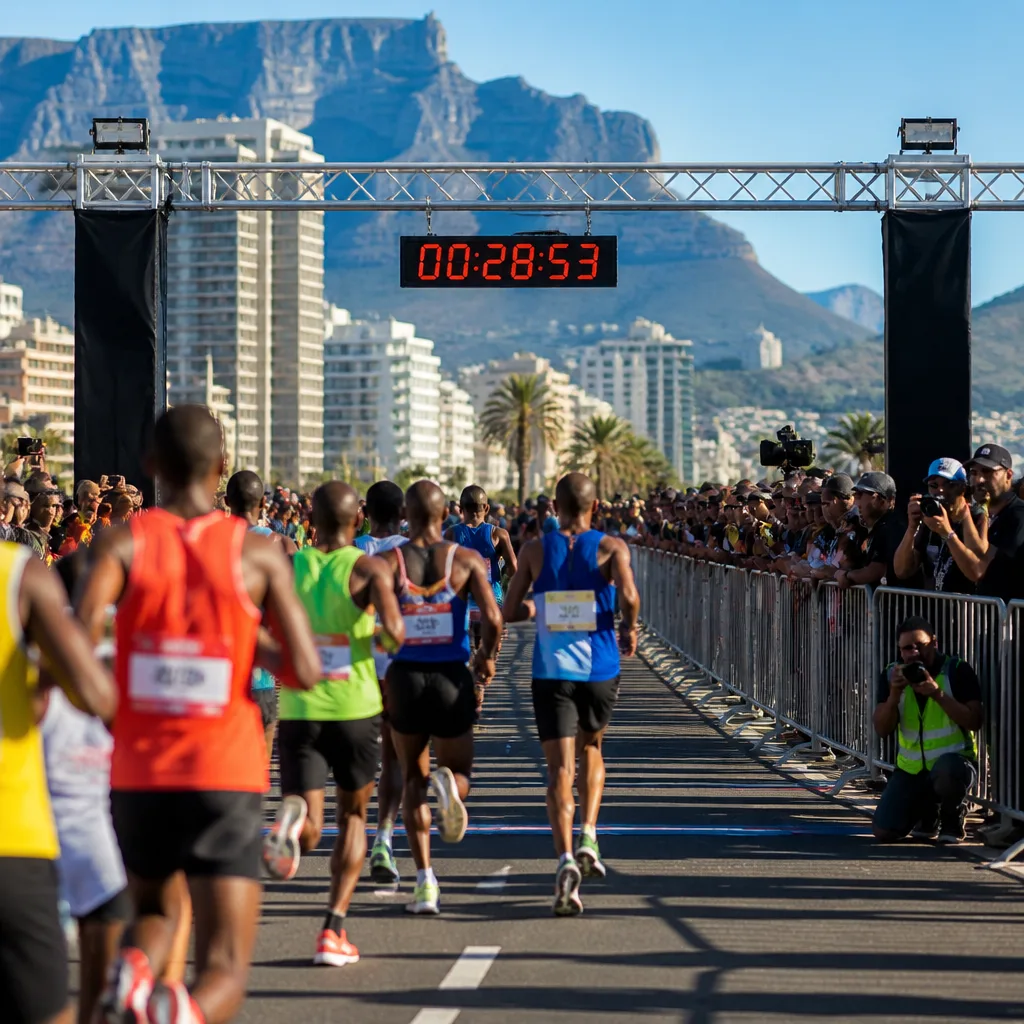
South Africa’s road-running scene has shifted from a largely domestic playground to a high-stakes international circuit, with world-class athletes travelling to the country to test themselves on some of the country’s best-organised 10km events.
From domestic fields to global depth
Organisers and athletes say the Absa Run Your City series and the Totalsports Women’s Race have helped convert local races into internationally meaningful competitions. Events in Cape Town and Durban at sea level now sit alongside the altitude challenges of Tshwane and Johannesburg, creating varied courses that attract elite entrants aiming to chase fast times or qualifying standards.
That international influx is led largely by East African runners and strong regional performers. The source reporting highlights a growing list of international names set to compete on South African roads, including:
- Brenda Kenei (Kenya) — entering the Totalsports Women’s Race Joburg 10km with a personal best of 30:29, using the high-altitude Marks Park course as preparation for a 2027 World Championships qualifying push;
- Faith Cherono (Kenya) — recently posted a quick 30:44 at the Absa Run Your City Gqeberha 10K;
- Daisilah Jerono (Kenya), Fortunate Chidzivo (Zimbabwe) and Neheng Khatala (Lesotho)
"I'm excited to compete in South Africa for the first time, especially in a women's-only race where I can celebrate alongside thousands of sports-loving women," Brenda Kenei said ahead of the Joburg race.
Why South Africa now?
Multiple factors explain the sudden magnetism. First, the technical standard and organisation of key races have improved, offering elite fields reliable courses and pacemaking. Second, South African races provide diverse conditions: sea-level courses in Cape Town and Durban favour fast times, while Johannesburg and Tshwane present altitude training and race experience useful for athletes building toward major championships.
For South African athletes, the arrival of top-tier international competitors raises the level of domestic competition and offers direct tactical tests without the cost and disruption of travel. For organisers, bigger fields and international names drive media attention, sponsorship interest and greater public participation.
What it means for the calendar and athletes
The growth of world-class entry lists reshapes goals for both visiting and local runners. Some immediate consequences noted in the reporting include:
- South African runners gain home opportunities to measure themselves against top international opponents;
- Events become stepping stones for global ambitions, with athletes chasing qualifying times for world championships;
- Races across provinces benefit from increased spectator interest and elevated prestige.
Below is a simple summary of highlighted athletes and their notable marks or roles in the revival:
| Athlete | Country | Notable detail |
|---|---|---|
| Brenda Kenei | Kenya | PB 30:29; racing Totalsports Women’s Race Joburg 10km |
| Faith Cherono | Kenya | 30:44 at Absa Run Your City Gqeberha 10K |
| Daisilah Jerono | Kenya | Competed at Cape Town leg |
| Fortunate Chidzivo | Zimbabwe | Former Totalsports Women’s Race Cape Town champion |
| Neheng Khatala | Lesotho | Regional presence strengthens fields |
The upshot is straightforward: South Africa is no longer a stopover for second-tier races. The combination of strong event delivery and the lure of both fast sea-level courses and tactical altitude tests has created a magnet for elite athletes. That, in turn, benefits South African running — from school athletes seeing world-class runners on home soil to elite locals getting direct measurement against some of the best in the world.
As the season unfolds, attention will fall on whether more global names commit to the circuit and how local organisers balance elite ambitions with mass-participation goals. For now, the country’s road-running boom looks set to deliver faster fields, bigger crowds and tougher, more meaningful races for everyone lacing up for 10km glory.














