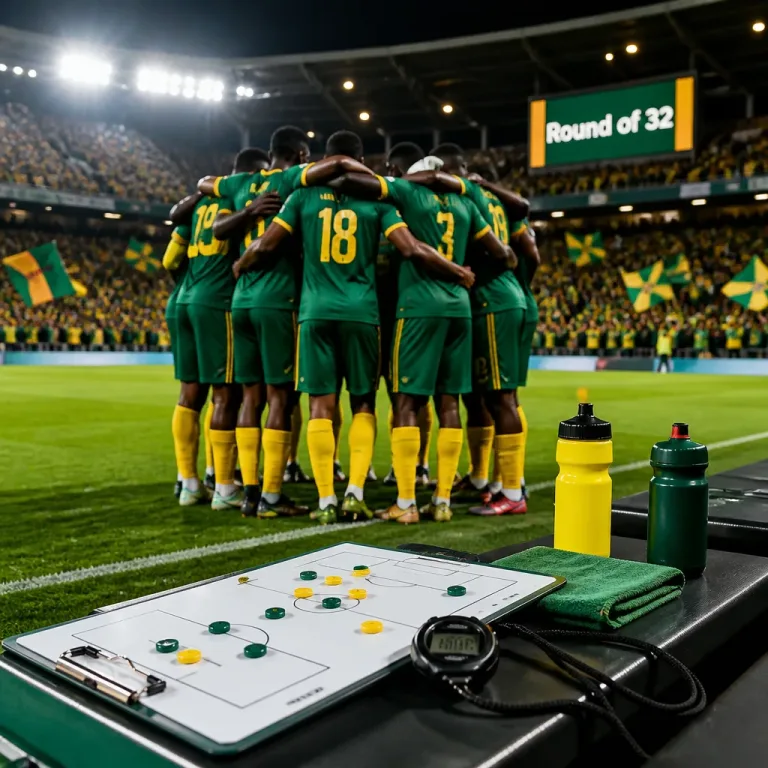
The Springboks are not only South Africa’s most recognisable rugby team; they are a national brand with measurable commercial value and international reach. Brand Finance’s South Africa 100 2025 report values the Springbok brand at R2.2 billion, and assigns it a Brand Strength Index score of 91.9 out of 100. World Rugby’s audience research shows the 2023 Rugby World Cup final between South Africa and New Zealand generated 94 million viewing hours globally.
Brand, pride and economic potential
These figures underline how sport can create more than medals and headlines: it builds identity, emotional attachment and commercial opportunities that spill into tourism and related industries. According to Prof. Elmarie Slabbert, director of the TREES research unit at North-West University, the Bokke “represent a destination filled with promise and experiences.” The suggestion is clear — the Springboks can act as a magnet for visitors and help extend South Africa’s tourism reach beyond traditional campaigns.
“The Bokke are synonymous with rugby, but, more than this, they represent a destination filled with promise and experiences,” said Prof. Elmarie Slabbert.
Measured popularity supports the claim: Brand Finance found that 56% of South African sports fans regarded the Springboks as their favourite team. That domestic affection, paired with global viewing figures, gives the brand an audience that marketing and tourism strategists would be wise to engage.
What the numbers say
Hard data from the reports provide a compact picture of scale and reach. The following table summarises the headline metrics cited by the research.
| Metric | Value | Source |
|---|---|---|
| Brand valuation | R2.2 billion | Brand Finance, South Africa 100 (2025) |
| Brand Strength Index | 91.9 / 100 | Brand Finance, South Africa 100 (2025) |
| Global viewing hours — 2023 RWC final | 94 million | World Rugby audience research (2023) |
How that value could be used
The commercial and promotional strength of the Springbok identity can be channelled into several practical avenues, which would demand coordinated effort from sport administrators, tourism agencies and private partners. Key possibilities include:
- Targeted tourism campaigns that tie match schedules and fan experiences to local visitor itineraries.
- Merchandising and licensed experiences that promote regional attractions and small businesses.
- Hosting international fixtures and fan festivals that boost short-term visitor spend and longer-term destination awareness.
Such strategies are not automatic. Turning brand equity into sustained tourism growth requires planning, investment and the right partnerships between sporting bodies, national and provincial tourism authorities, and the private sector.
Beyond the stadium: identity and influence
The Springboks’ symbolic power has roots in historic national moments — images and stories that travel beyond a single event. Yet the research cited makes a practical point: symbolism becomes economic value when it reaches new audiences and is framed as part of a broader offering.
For policy-makers and sport administrators the question is tactical: how to convert emotional attachment into measurable economic outcomes without diluting the brand’s authenticity. The answers will shape whether the green-and-gold jersey remains primarily a source of national pride or becomes a deliberate engine for tourism and growth.
Whatever route is chosen, the evidence is unambiguous: the Springboks are more than a team. They are a national asset whose full worth — beyond R2.2 billion on paper — depends on the decisions taken now to harness that reach for broader social and economic benefit.