
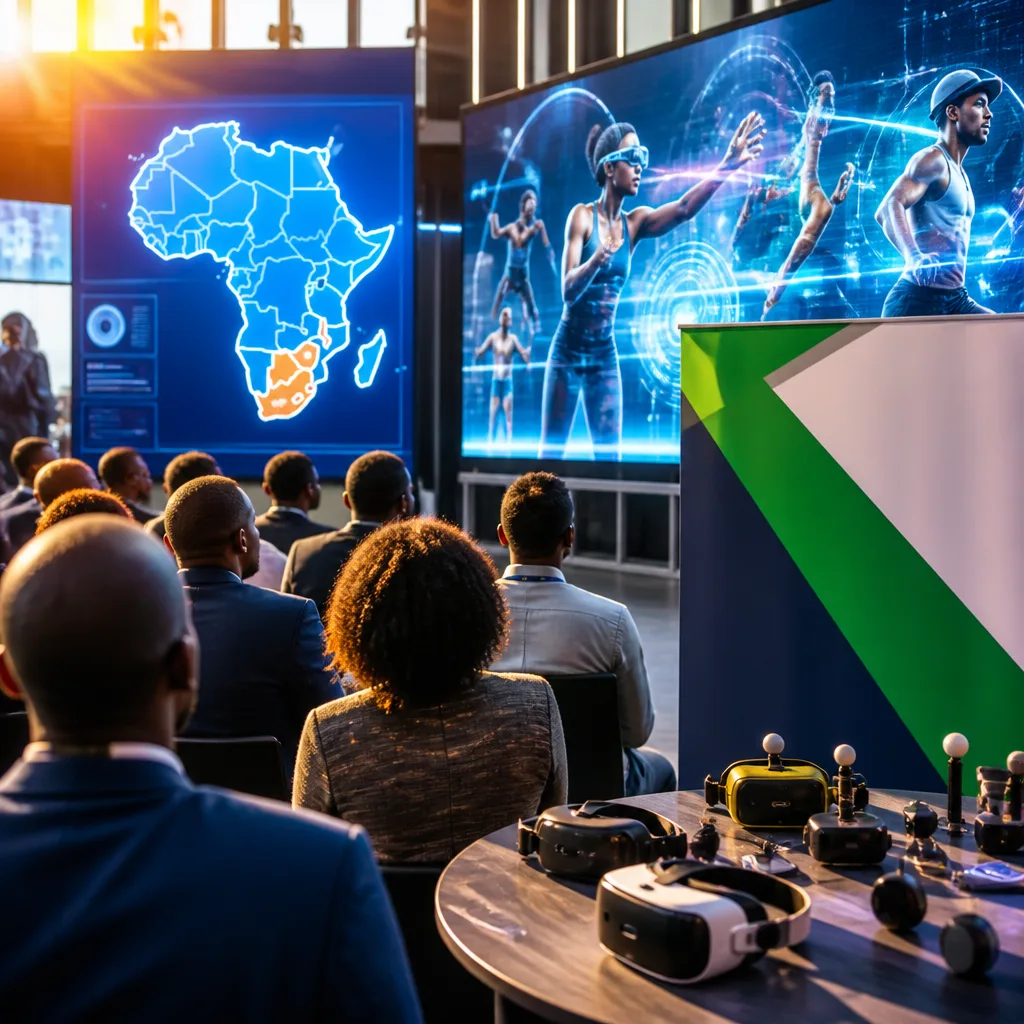
The international movement behind the Games of the Future has identified South Africa as a significant player as it seeks global expansion, saying the country’s competitors across several core disciplines have put it “on the radar” for future hosting and development.
Phygital sport: technology meets physical competition
The 2026 Games of the Future in Astana provided a demonstration of an emerging sporting ecosystem where digital gaming, immersive technology and traditional physical contests operate alongside one another. Delegates involved in delivering this year’s event told journalists that the format is increasingly attractive to younger audiences and creates new pathways for athlete development.
At an international media briefing, Phygital International executives discussed the movement’s next phase. Present at the session were Daniel Merkley, chief executive officer at Phygital International; John Hewitt, international marketing and communications director at Phygital International; and Arnur Alsherov, vice-president of JSC Kazsportinvest. Journalists explored topics including international expansion, technology, youth participation and the practical requirements for countries that hope to host future editions.
“The country is firmly on the organisation’s radar,”
The briefing underlined Africa’s potential role in the phygital movement. According to the organisers, South Africa is already delivering competitors in the movement’s core disciplines — notably Phygital Dancing, Phygital Shooter, Phygital Basketball and Phygital Football — and is regarded as an example of the engagement they want to foster internationally.
What this means for South Africa
South Africa’s visibility within the World Phygital Community has implications beyond medal tables. For the technology and sport sectors, it signals opportunities and challenges:
- Youth engagement: Phygital formats combine gaming and physical activity in ways that can appeal to younger audiences, potentially creating fresh participation pipelines for sport and e-sport development.
- Technology demand: Hosting or expanding participation in phygital disciplines requires investment in hardware, software, connectivity and venues that integrate digital and physical experiences.
- Event hosting capability: The movement’s interest in South Africa points to potential economic and reputational benefits, but also to the need for organisers to meet technical and logistical standards for international competition.
For a country where data costs, venue readiness and reliable connectivity remain everyday considerations for players and spectators, those needs will shape how quickly provinces, municipalities or private promoters can scale phygital events. The organisers’ emphasis on Africa’s potential suggests they see a market for curated development programmes and partnerships on the continent.
Practical questions remain
While the organisers highlighted South Africa’s presence in core disciplines, they did not release a timeline or a set of technical standards for a South African bid to host future Games of the Future. The conversation in Astana focused on the broader international strategy — expanding participation, supporting athlete pathways and harnessing technology to create spectator-friendly competitions.
For policy-makers and technology planners, the phygital movement prompts a range of considerations: how to make venues digitally ready, how to support grassroots talent that straddles gaming and sport, and how to ensure events are accessible without creating new barriers related to device or data costs.
Commercial partners, federations and event promoters will need to weigh these factors if South Africa is to move from participant to host. The organisers’ remarks at the media briefing make clear that the international body sees Africa — and South Africa in particular — as a place to cultivate growth. Translating that interest into concrete bids or development programmes will be the next step.
| Core disciplines where South Africa has competed |
|---|
| Phygital Dancing, Phygital Shooter, Phygital Basketball, Phygital Football |
The phygital model is still evolving. For South African technology planners, sporting bodies and local governments, the movement offers an opening to combine digital innovation, youth engagement and events strategy — provided they can meet the technical and financial expectations of an international organiser now mapping the next phase of global growth.










