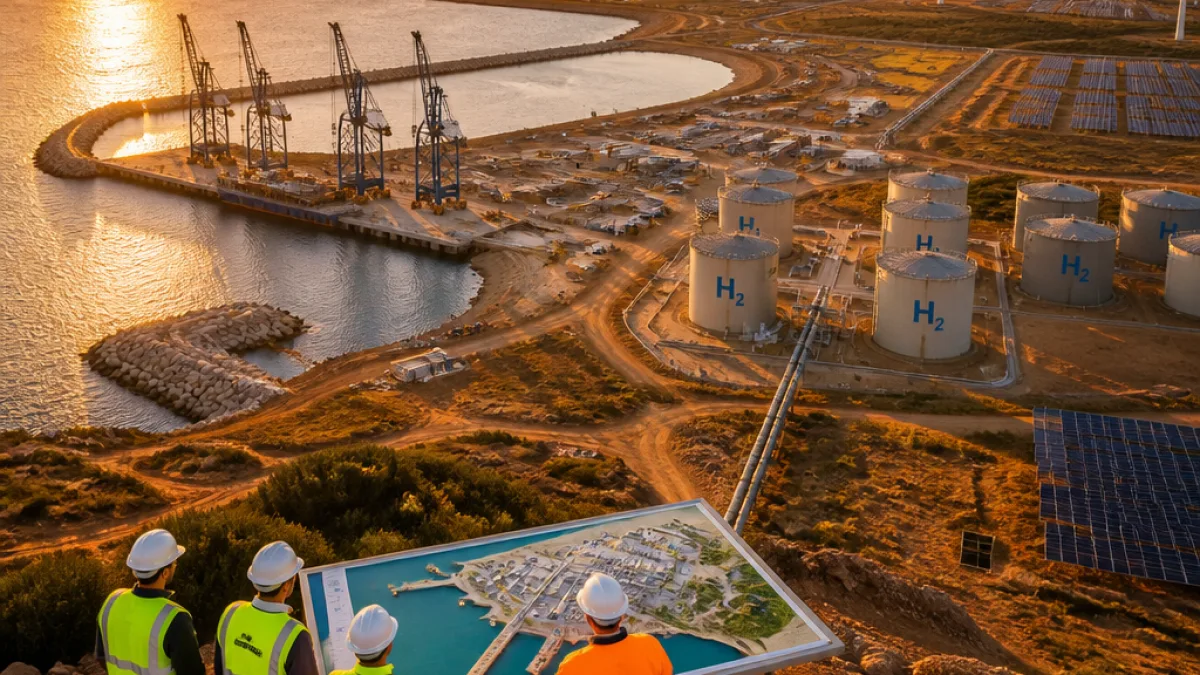
Sasol has signalled a strategic shift in its plans for green hydrogen at Boegoebaai, indicating it will no longer seek to develop the project alone but will instead pursue a partnership model that positions the company as a "catalyst and integrator" for a broader portfolio of renewable projects across the Northern Cape.
Why Sasol is bringing partners on board
The company completed a pre-feasibility study earlier this year into producing green hydrogen and ammonia at Boegoebaai using renewable energy to power electrolysis and treating seawater for export markets, according to reporting by CBN. While the technical and economic potential was judged to be strong, Sasol said the size and complexity of the development make single-handed delivery impractical.
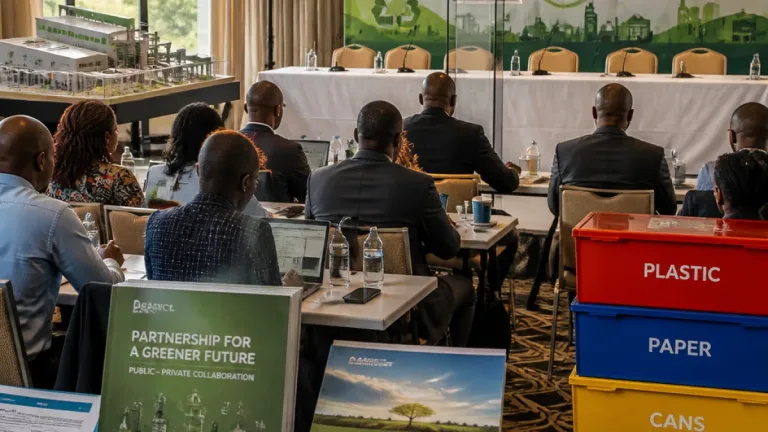
"Bringing in partners will de-risk early-stage development and also offers the best opportunity to unlock investment," Sasol said, according to CBN.
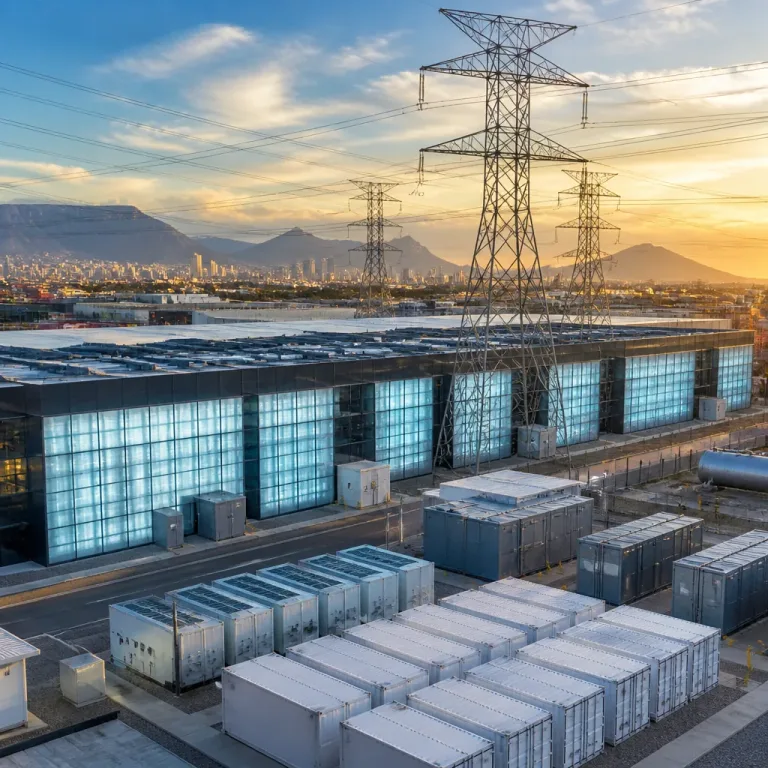
Sasol highlighted that successful large-scale green hydrogen development will need coordinated expansion of renewable generation, transmission capacity, logistics infrastructure, land access and market demand across the province.
"Large-scale Green Hydrogen development cannot be delivered through a single project alone," the company said.
Scale of related infrastructure and investment
The Boegoebaai vision overlaps with sizeable public and private infrastructure proposals. Transnet is expected to build a deep-water port at Boegoebaai, with an estimated cost of R13.8 billion, to service the emerging hydrogen export industry. Separately, the Northern Cape government has previously indicated that up to R122 billion in greenfield projects could be required to realise the full regional plan, which encompasses the port, a dedicated rail link and hydrogen production facilities.
| Item | Estimated value |
|---|---|
| Transnet deep-water port at Boegoebaai | R13.8 billion |
| Projected greenfield investment for full Northern Cape vision | R122 billion |
What Sasol's new role means locally
By positioning itself as a catalysing partner rather than sole developer, Sasol aims to draw a wider set of investors and specialists into the Northern Cape's nascent hydrogen sector. The move reflects the company’s view that the project’s risks — technical, fiscal and logistical — are best managed through shared responsibility and complementary expertise.
The shift also aligns with provincial ambitions to transform Boegoebaai into a hydrogen export hub. That transformation will depend on multiple strands of development progressing in tandem: renewable power generation capacity, grid and transmission upgrades, logistics and port infrastructure, rail links and clear pathways to secure long-term offtake for hydrogen and ammonia exports.
Key implications and considerations
- De-risking: Sharing early-stage risk with partners could make the project more attractive to commercial and institutional investors.
- Coordination: Delivering the vision will require close coordination between private developers, Transnet, provincial authorities and potential export markets.
- Scope: Sasol’s approach suggests the eventual build-out will be a network of projects rather than a single, central facility.
Dr Sarushen Pillay, Sasol’s executive vice president for business building, strategy and technology, has emphasised that even though the Northern Cape is one of the world’s best regions for wind and solar resources, unlocking those resources into an export-ready hydrogen industry will require significant effort and collaboration, CBN reported.
Next steps and outlook
Sasol’s announcement leaves open the timetable for partner selection and the precise structure of future collaborations. What is clear is that the company expects a consortium-style approach to be the most effective way to mobilise the capital and technical skills needed for large-scale green hydrogen production and associated infrastructure.
For the Northern Cape, the move could accelerate interest from international developers and funders who prefer projects where risk is distributed, while also placing a premium on clear regulatory signals and coordinated government planning to match private-sector momentum.
As planning progresses, local communities, municipalities and provincial authorities will be watching how deals are struck and what benefits — jobs, skills development and local economic linkages — are secured as the project moves from pre-feasibility toward development.
Reporting on Sasol’s strategic pivot and its consequences continues to be closely followed by industry observers and regional stakeholders, as the province seeks to translate its natural advantages into an export-oriented clean-energy economy.