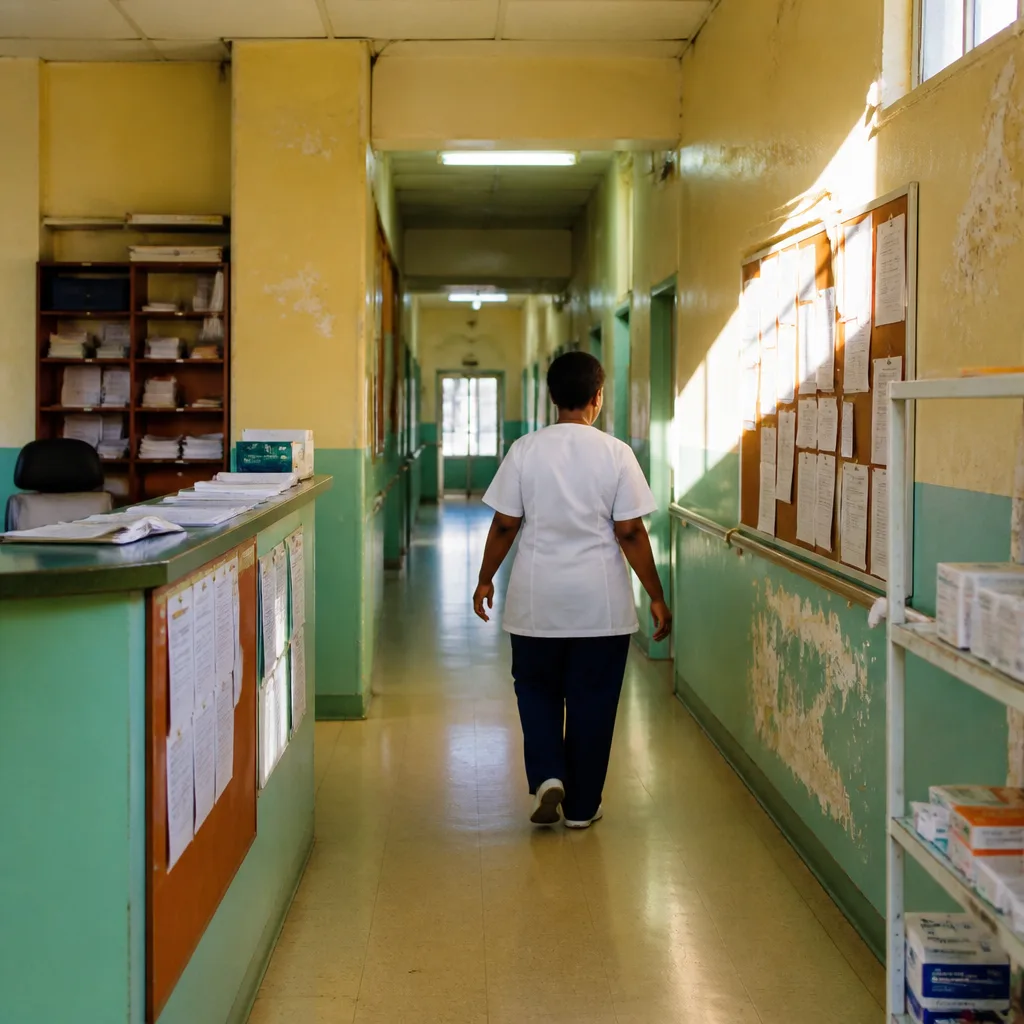
The South African public health system contains “pockets of excellence” driven by committed individuals who routinely prop up services facing chronic under‑resourcing, a commentary warned. While these staff — district managers, dedicated clinicians and steadfast public servants — provide crucial care, their exceptional efforts can inadvertently hide deeper system failures and create long‑term risks for patients.
Exceptional staff are keeping health services afloat
Longstanding pressures such as vacant posts, procurement delays and budgets that do not match operational needs mean that some facilities rely on particular people to maintain services. The column described district managers who keep services functioning despite these constraints, doctors who choose rural hospitals over better‑paid posts, and public servants who stay in the system out of commitment rather than reward.
“There is no question that South Africa’s public health system contains ‘pockets of excellence’,” the columnist wrote, adding that when exceptional people repeatedly rescue dysfunctional systems, they can mask the dysfunction.
These individuals and teams produce important short‑term gains: targets get met, hospitals continue to admit and treat patients, and the media spotlight is avoided. But the piece cautioned that such reliance carries hidden costs.
Risks when the system depends on a few
- Complacency among managers: When outcomes look acceptable because a handful of people are compensating, higher management may not see the need for structural fixes.
- Fragility of services: If key staff leave, retire or burn out, the services they held together can rapidly deteriorate.
- Limited organisational learning: Systems that rely on ad hoc fixes do not develop the routine processes needed to prevent recurring problems.
The commentary argued that while society benefits from the commitment of these staff, their heroics should not substitute for sustained investment, proper staffing, functioning procurement and effective management systems.
What this means for patients and policy
For patients, the practical effect is mixed. In some facilities, care remains good because of extraordinary local leadership. Elsewhere, the same shortfalls produce inconsistent service quality depending on where an individual seeks care. At the system level, the danger is that policymakers and funders may misunderstand the true state of services if headline targets are being met by improvisation rather than reliable systems.
| Problem | Consequence |
|---|---|
| Vacant posts and frozen budgets | Dependence on a few staff to carry workload |
| Procurement delays | Operational workarounds that are not systematised |
| Overreliance on individual excellence | Hidden fragility; limited organisational learning |
The piece urged those higher in the management chain to look beyond delivered targets and assess whether outcomes are the result of robust systems or of individuals working beyond reasonable expectations. It emphasised that recognising and supporting hardworking staff remains essential, but this must be paired with reforms that strengthen routine institutional capacity.
Practical measures implied by the analysis include filling vacant posts, improving procurement processes, strengthening senior management oversight and institutionalising good practices so they are not person‑dependent. The commentary did not set out specific policy prescriptions but highlighted that celebrating the work of exceptional staff should not let the system off the hook.
For clinicians and patients, the takeaway is to be aware that local service quality can vary and to raise concerns with facility management or provincial health departments where care gaps appear. For policymakers, the column underlined the need to diagnose whether strong performance is systemic or the result of unsustainable individual effort.
Maintaining compassion for the staff who continue to serve under pressure is important, but durable improvement will require structural change. Where appropriate, patients should consult their usual clinic or doctor about care concerns rather than self‑diagnose, and report persistent service failures through official channels so they can be addressed at the institutional level.
— Health Desk