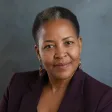
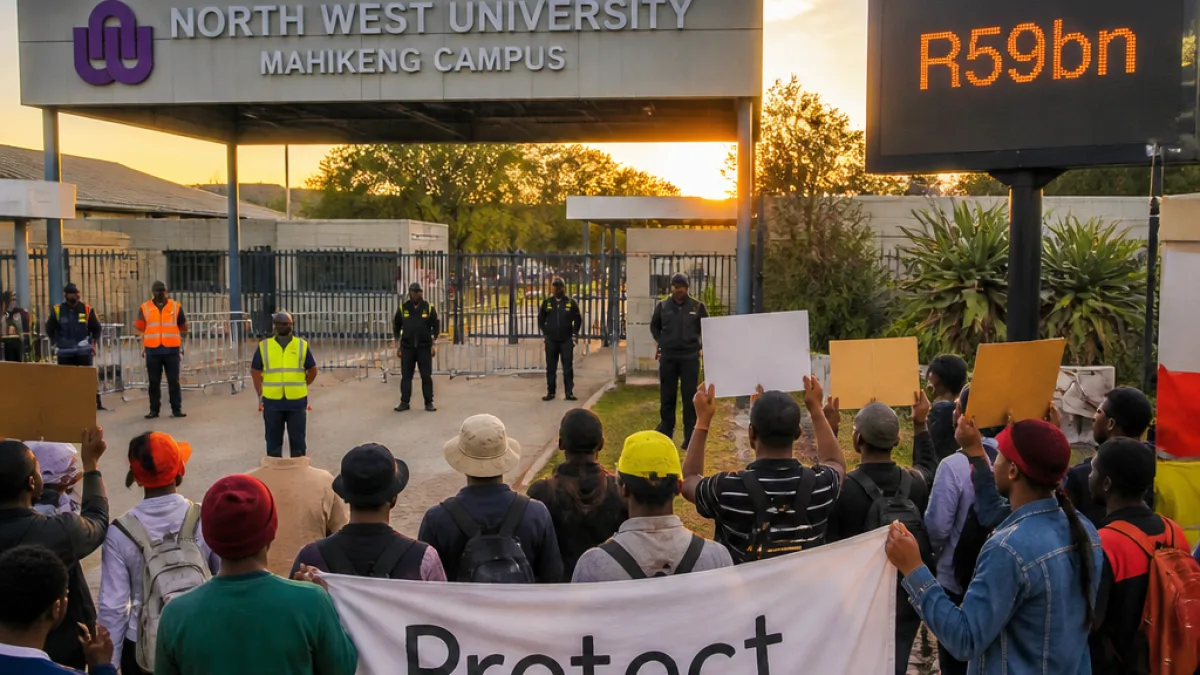
Mahikeng — The Senior Deputy Vice‑Chancellor for Teaching and Learning at the North West University (NWU), Prof Linda du Plessis, has urged restraint from both students and authorities as campuses in the province confront renewed protest action, saying peaceful activism must not imperil learning or safety.
Speaking about demonstrations affecting NWU campuses, Prof du Plessis acknowledged students’ right to protest but warned that “violence and intimidation threaten the very student success activists seek to protect.” Her remarks were published on 21 September 2026.
Debt, dignity and the right to learn
Prof du Plessis framed the unrest against a backdrop of a deep funding crisis across South Africa’s post‑school sector. She noted that total outstanding debt in the system now stands at R59 billion, a figure she said places both students and institutions under “immense pressure.”
“Universities cannot remain sustainable if unpaid fees accumulate indefinitely,” she said, while also stressing that indebted students “must be treated with compassion.” Du Plessis called for solutions that keep students in class and ensure institutions can continue to operate.
Her comments reflect ongoing tensions since the #FeesMustFall movement a decade ago. Du Plessis said that while the campaign helped expand financial support for students from poor and working‑class backgrounds, the rapid rollout and governance gaps that followed created new challenges that left both students and universities vulnerable.
“The true power of student activism lies not in bringing universities to a standstill, but in moving society towards a fairer future,” Prof Linda du Plessis said.
Protecting rights on and off campus
Du Plessis argued universities and government cannot silence legitimate dissent, but neither can they accept violence, intimidation or destruction as part of student activism. She warned that no student should be forced to join a shutdown or be prevented from exercising their right to learn.
The deputy vice‑chancellor also disputed a commonly held perception about withheld qualifications. At NWU, she said, students receive academic transcripts and prospective employers can request confirmation that a qualification has been completed — an effort to mitigate the harm of unpaid fees on graduates seeking work.
- Students: Right to protest must be balanced with right to education and safety.
- Universities: Face long‑term financial risk if debts are not addressed.
- Government: Must craft sustainable funding models and improve governance of support measures.
Local impact and labour perspective
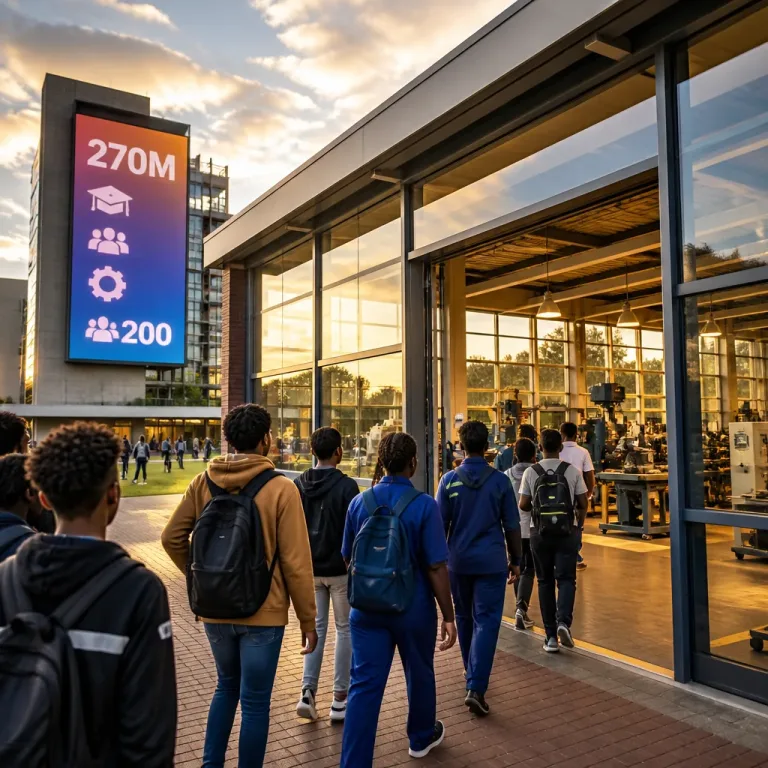
For communities around NWU campuses in the North West, disruptions carry wider consequences. Many families depend on student activity for local trade and transport income; long shutdowns can reduce these earnings. At the same time, student leaders say persistent financial exclusion and administrative hurdles leave many unable to continue their studies.
Mineworker and labour organisations in the province have historically sympathised with student calls for economic justice, while also urging lawful protest. Du Plessis’s appeal for non‑violent activism aligns with concerns from trade unions that instability undermines workers’ broader socio‑economic demands.
What students and guardians should know
Students who owe fees should engage with NWU’s financial services to explore payment plans or financial‑support options. The deputy vice‑chancellor emphasised compassion in handling debt cases but also noted that indefinite non‑payment is unsustainable.
Parents and guardians are advised to verify the status of academic transcripts and to request official confirmation of completed qualifications from NWU where necessary, particularly for graduates seeking employment.
| Issue | Immediate effect |
|---|---|
| Outstanding debt (R59bn) | Pressure on university budgets, services and sustainability |
| Campus shutdowns | Disruption of teaching, loss of local income, delayed graduations |
| Withheld qualifications (perceptions) | University issues transcripts; employers can confirm qualifications |
Prof Du Plessis’s intervention underscores the delicate balance between protecting democratic protest and ensuring that higher education remains accessible, safe and capable of supporting students into employment. In the North West, where access to tertiary study is a critical route out of poverty for many families, that balance will remain a central policy and community concern.
Local students, campus staff and community leaders will be watching how NWU and government respond to calls for sustainable funding and clearer governance of financial support measures in the months ahead.