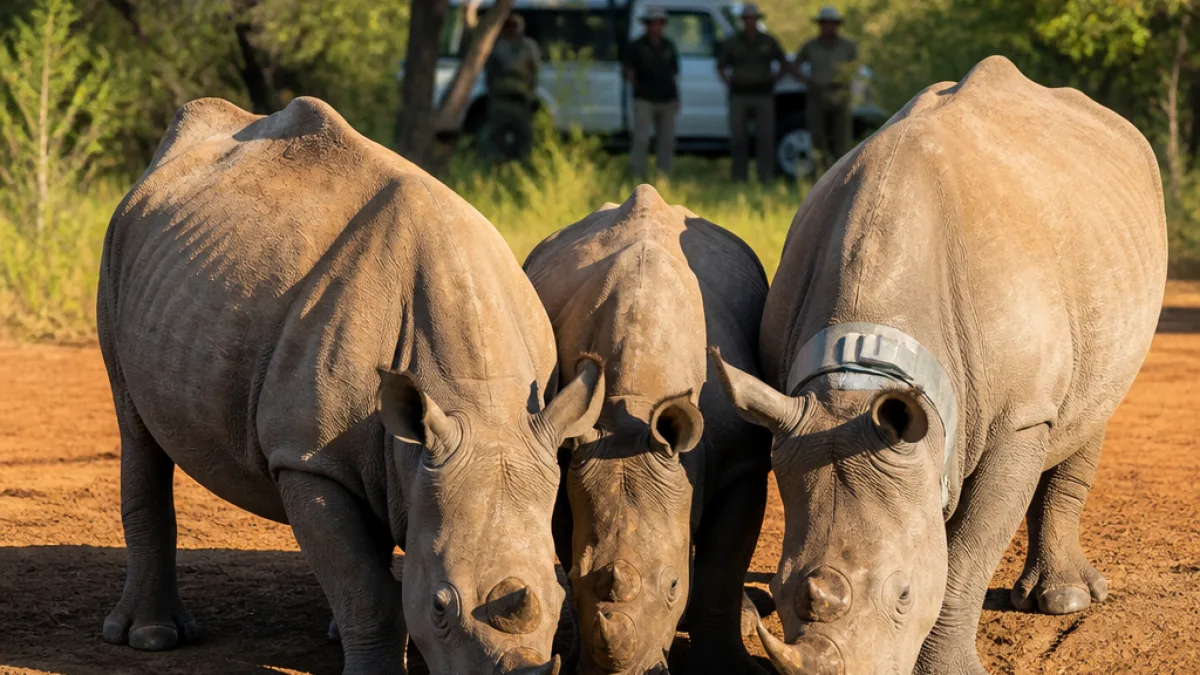
Two decades of research coordinated by the World Wildlife Fund (WWF) into the critically endangered black rhino are reshaping how conservationists understand the species’ behaviour and how they plan for its long‑term survival.
Population gains and fresh behavioural insight
The WWF’s Black Rhino Expansion Programme has compiled more than 20 years of data on the species. According to the programme’s Population Manager, Ursina Rusch, black rhino numbers on the African continent have risen from just over 2,500 in the mid‑1990s to more than 6,000 today — a recovery Rusch attributes to “huge conservation efforts” over the past two decades.
| Period | Estimated continental black rhino population |
|---|---|
| Mid‑1990s | ~2,500 |
| Today | >6,000 |
Beyond the headline numbers, advances in tracking technology and long‑term monitoring have given researchers a much clearer view of everyday rhino behaviour. The picture emerging, Rusch said, challenges the “textbook” notion of the black rhino as a strictly solitary, highly aggressive animal.
“Actually, their sociality and how they associate with each other can help with decreasing their mortality rates, particularly in adulthood,” Rusch said.
Familiarity reduces deadly conflict
Research findings indicate social bonds formed early in life — between calves and into the sub‑adult stage — continue to influence interactions when those animals reach adulthood. When adults encounter individuals they already know, the likelihood of aggression severe enough to cause death or serious injury is lower.
Conversely, adults that begin associating with unfamiliar, unrelated animals are at greater risk of aggressive encounters that can increase mortality. That behavioural nuance is now being treated as practical conservation knowledge rather than research for its own sake.
Practical implications for conservation and management
Understanding social relationships among black rhinos affects several aspects of conservation planning. The WWF programme is using behavioural data to inform decisions about translocations, the composition of founder groups in new reserves and ongoing management in fenced reserves.
- Translocation planning: where possible, moving related or socially familiar individuals together may reduce conflict and improve survival.
- Reserve management: managers can use association data to decide which animals to monitor more closely after introductions or boundary changes.
- Anti‑poaching strategy: recognising social groupings can refine patrol priorities if the loss of one individual may have knock‑on effects on known associates.
Rusch emphasised that these findings are directly applicable: they are not academic curiosities but tools that can lower adult mortality and strengthen population growth. The WWF’s long record of monitoring has allowed conservationists to move from short‑term reactive measures to longer‑term, behaviourally informed management.
What this means for KwaZulu‑Natal and South Africa
South Africa is home to important black rhino populations, and provincial conservation agencies, private reserves and non‑governmental organisations have all been central to the gains recorded since the 1990s. Behavioural research such as the WWF’s helps refine how those partners work together — from shaping the makeup of founder herds, to designing ongoing monitoring and the deployment of scarce veterinary and anti‑poaching resources.
For communities living near reserves, and for smaller private game farms that participate in breeding and translocation programmes, the message is straightforward: social relationships matter. Incorporating association data into management is an additional, evidence‑based tool to reduce the risk of in‑fighting and loss.
Looking ahead
As tracking technology and analysis techniques continue to improve, conservationists expect to deepen their understanding of how social networks shape survival and reproduction in black rhinos. This sort of long‑term, data‑driven approach complements established measures — such as anti‑poaching patrols, veterinary interventions and community partnerships — that together have supported the species’ recovery.
The WWF’s research underlines that species recovery is often the product of many small, well‑informed decisions rather than single sweeping acts. For a species once perilously close to extinction, those decisions are now increasingly guided by what the animals themselves reveal about how they live and relate to one another.