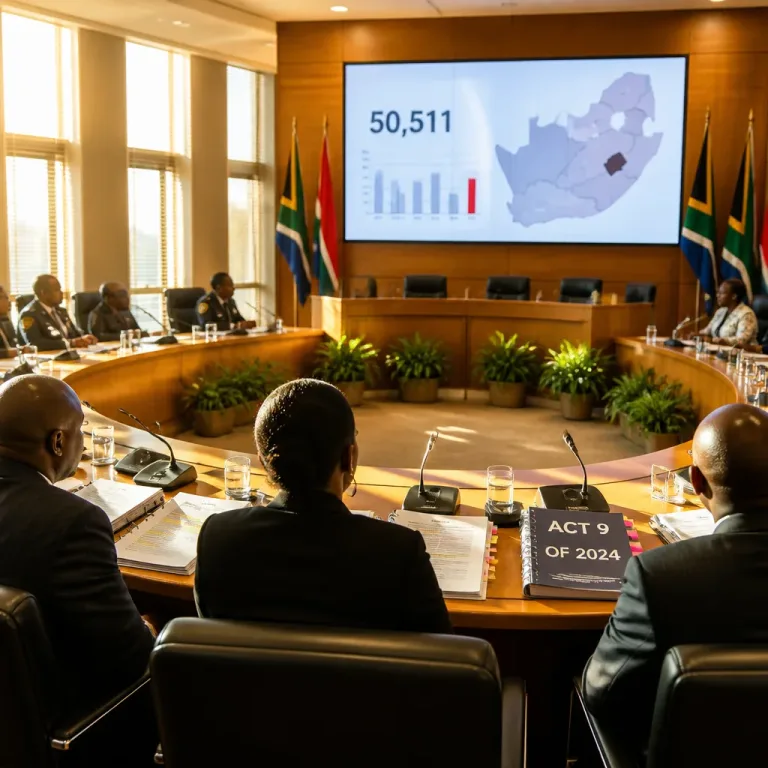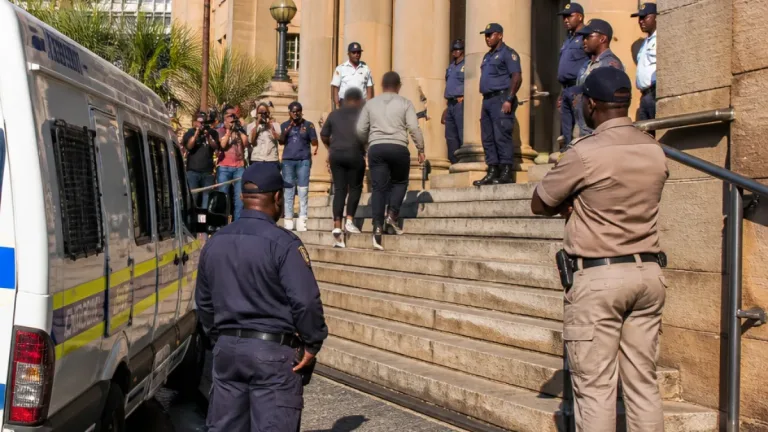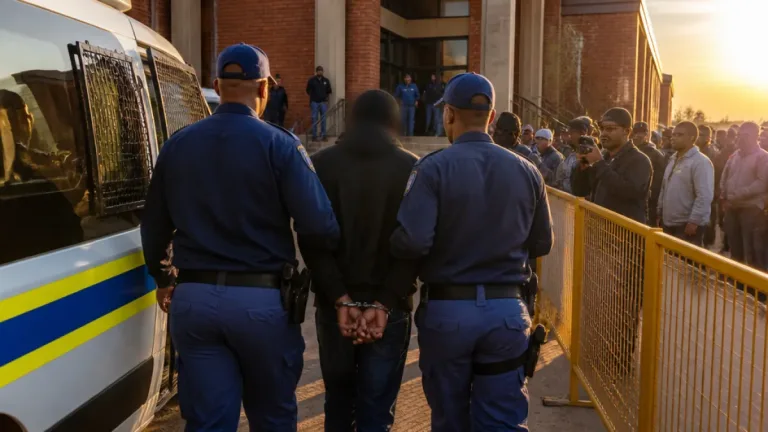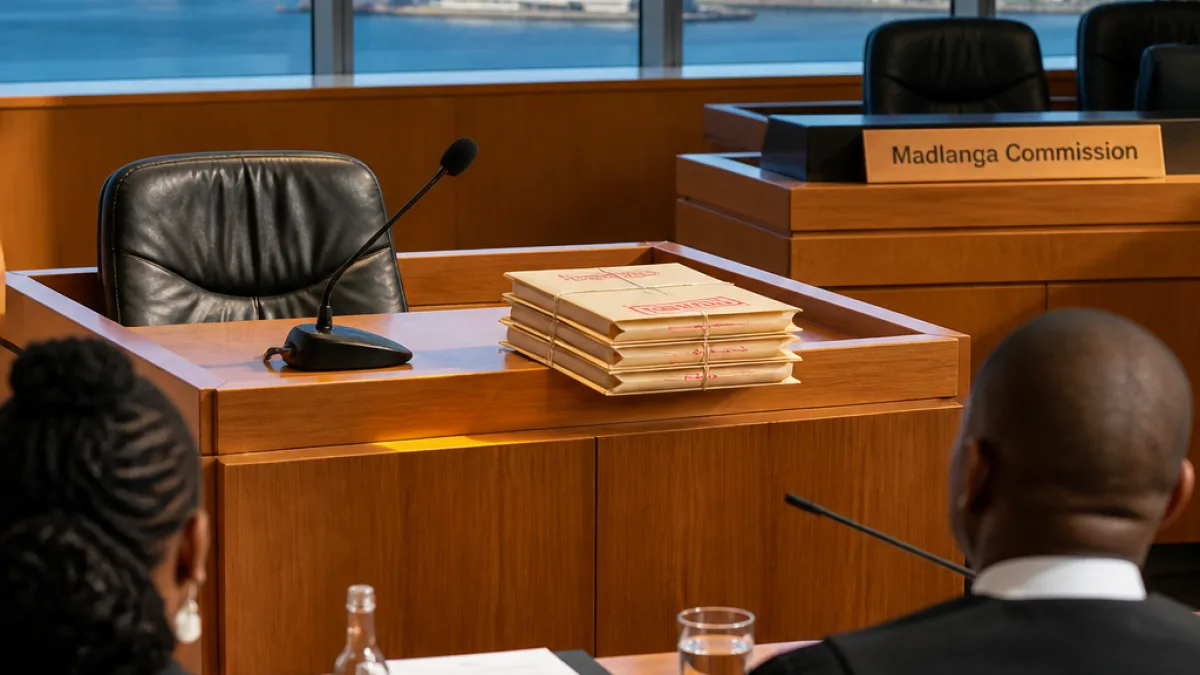
Durban — KwaZulu‑Natal Hawks Lieutenant‑Colonel Deenadayalan “Deena” Govender returned to the Madlanga Commission this Monday to undergo cross‑examination after a judicial ruling that requires portions of his evidence to be heard in open session.
What the commission ruled
The commission last week granted condonation for the late filing of Govender’s application to have parts of his testimony heard in camera, but refused sections of that application that would have kept key allegations behind closed doors.
"The applicant must therefore give evidence on those matters in an open hearing at 9.30am on Monday," the ruling states.
At the same time, the commission imposed qualifications designed to protect ongoing criminal inquiries and police operational methods. Govender will not be required to identify witnesses connected to an active investigation into the suspected theft of cocaine from the Hawks’ Port Shepstone offices, nor to disclose specific police strategies, investigative techniques or intelligence‑gathering methods.
Allegations before the commission
Govender has been implicated in allegations linking him to a string of police shootings across KwaZulu‑Natal. An earlier witness, an investigator from the Independent Police Investigative Directorate (IPID), Len John, alleged that Govender received millions of rands in suspicious payments. Some of those payments were said to be connected to the killing of Durban tow‑truck operator Bevan Loftus.
Govender has denied the allegations made against him. His return to the commission for cross‑examination is expected to test those denials and to clarify claims about the conduct of Hawks task teams in the province.
What will and will not be disclosed
| Matters to be heard in public | Matters to remain protected |
|---|---|
| Evidence responding to certain paragraphs of the commission’s Regulation 10(6) Notice (open testimony) | Identities of witnesses linked to the Port Shepstone cocaine investigation |
| Allegations concerning payments and task‑team conduct (subject to ruling) | Specific police strategies, methods, investigation and intelligence‑gathering techniques |
Why this matters locally
The Madlanga Commission’s handling of testimony from senior provincial Hawks officers is closely watched in KwaZulu‑Natal. The province has long struggled with violent crime, and allegations that elements within law enforcement may have been involved in unlawful killings or corrupt financial activity strike at public confidence in policing.
Open testimony from a senior Hawks officer could shed light on the inner workings of specialised task teams operating in the province and on whether there were attempts to influence evidence presented to the commission. At the same time, the commission must balance transparency with the need to protect active investigations and the safety of witnesses and investigative techniques.
Possible implications
- If Govender’s public testimony corroborates the IPID investigator’s allegations, it could prompt further criminal investigation and disciplinary processes.
- Conversely, if the cross‑examination undermines those allegations, it may weaken claims about corrupt payments and malfeasance within Hawks task teams.
- The commission’s decisions about what remains in camera will set precedent for how sensitive policing matters are treated in future hearings.
Parts of the commission’s docket remain complex: the ruling also notes evidence previously heard in camera by a witness identified as Witness P concerning a counter‑intelligence operation involving organised drug groups in the Durban area. That specific testimony will be heard in camera, either on 31 August or on a later date determined by the commission.
What to watch for
Over the coming days, the commission’s public record should indicate:
- whether Govender directly addresses the IPID allegations of suspicious payments;
- whether he offers new information on the killings under scrutiny, including the death of Bevan Loftus;
- any claims of attempts to influence commission evidence or witnesses.
Madlanga Commission proceedings continue to unfold. For KwaZulu‑Natal residents, the hearings are more than a legal formality: they are an opportunity for clarity about how serious allegations involving police conduct will be examined in public.
Reporting from Durban.