From school sprint star to provincial wing
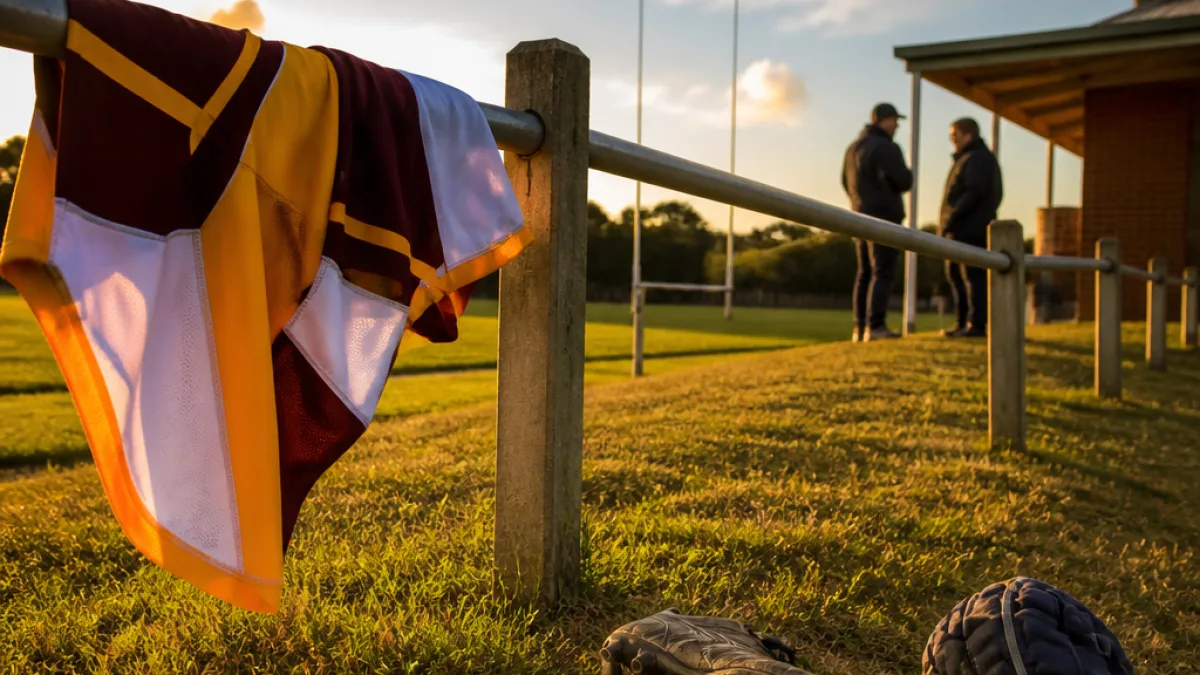
Faith ‘Nana’ Madeli was a familiar name on Makhanda’s rugby fields — a pacey left wing who combined a background in athletics with a natural feel for the game. According to reporting by Chris Totobela in Grocott's Mail, Madeli’s playing career ended abruptly after she sustained a head injury, cutting short a promising run with Winter Rose and Eastern Province.
Madeli’s sporting talents were evident from a young age. She competed for George Dickerson’s Primary School athletics team, and later at Mary Waters Secondary School, where she excelled in the 100m, 200m and 400m and ran cross-country events that took her as far as Cradock. Her speed would become a defining asset in rugby.
“I was the fastest at school in the 100, 200, and 400 metres.”
Club, coaches and provincial selection
Her entry into rugby came through family connections. In 2005 Madeli joined the Winter Rose ladies’ team after encouragement from her father, who was then Winter Rose president, according to Totobela’s profile. She initially faced resistance at home — her mother opposed the move — but Madeli saw rugby as another way to show what she could do beyond the beauty pageants in which she also participated.
At Winter Rose Madeli developed under the guidance of noted local coaches, including the late Pepsi Mthwaku and Zandile Gxala. Totobela reports that both coaches helped shape her into a reliable left wing and that her father, Jeff Madeli, was important to her development.
Her progress was rapid. In 2006 she was selected for the Eastern Province women’s side after a strong showing against Motherwell’s top team. Madeli then featured regularly for the provincial team and confronted some of the strongest women's sides in South Africa, including Blue Bulls, Griquas, Western Province and the Sharks.
| Year | Milestone |
|---|---|
| 2005 | Joined Winter Rose ladies’ rugby team |
| 2006 | Selected for Eastern Province team after match vs Motherwell |
| — | Career ended due to head injury (reported) |
Community legacy and unanswered questions
Madeli was widely known in local rugby circles as “Nana”, a player who combined pace with a direct approach to attack. Totobela’s feature highlights both her on-field achievements and the community that supported her journey — the Winter Rose club, local coaches and family members. But the account also makes clear that her provincial career and connection to the game were cut short by a head injury; the published profile does not provide further medical detail or specify the date of retirement.
Her story touches on two familiar themes in community sport in Makhanda and the Eastern Cape: the value of grassroots clubs in talent development, and the fraught consequences when injury forces players out of the game. Madeli’s move from athletics to rugby underlines a frequent talent pipeline in the region, where sprinting and endurance skills translate into effectiveness in backline positions.
- Local development: Winter Rose and coaches such as Pepsi Mthwaku and Zandile Gxala played a central role in her rise.
- Provincial impact: Selected for Eastern Province in 2006 after standout performances.
- Career end: A head injury brought her playing days to an abrupt halt, according to the Grocott's Mail profile.
Madeli’s career is a reminder that sporting pathways in the Eastern Cape are often forged at primary and secondary school level, then nurtured by club structures. It also raises the importance of medical support and rehabilitation for players at club and provincial level — an issue provincial unions and clubs continue to grapple with as they balance limited resources against player welfare.
Totobela’s profile in Grocott's Mail preserves the memory of a player who thrilled local crowds and represented Eastern Province with distinction. For Makhanda’s sporting community, the account is an invitation to celebrate past contributors and to examine how clubs and unions can better protect players and extend life after sport for those who suffer career-ending injuries.