Municipality begins to impound free-roaming livestock
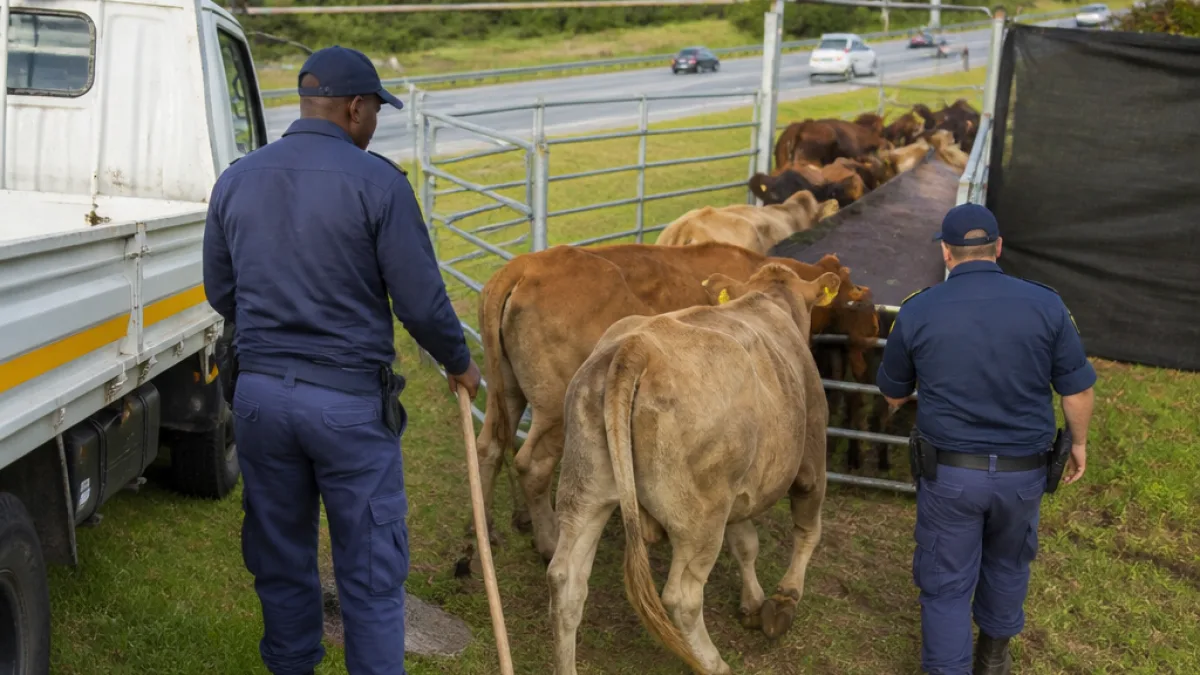
Knysna municipal officials have begun impounding cattle found on public roads and in other public spaces after adopting a zero-tolerance policy on roaming livestock, the local press reported this week.
The move, reported by The Herald, follows years of complaints from residents and motorists about herds wandering into suburbs and onto the N2, creating hazards and damaging private gardens. The municipality says the policy is intended to improve public safety, protect road users and ensure compliance with municipal bylaws.
Longstanding local nuisance reaches policy turning point
Roaming cattle have been a visible feature of Knysna for more than a decade, with animals frequently seen in residential areas such as Knysna Heights and along major routes. While many residents have accepted the pastoral sight, others have long raised concerns about road safety, damage to gardens and disease risks to domestic pets.
The Herald’s reporting recalls a string of incidents over the years: collisions between cars and cattle on the N2, reports of a bull chasing a pedestrian in Knysna Heights and regular foraging that destroys flowerbeds and lawns. Despite the nuisances and occasional scares, the reporting notes there had been remarkably few serious human injuries from those encounters.
What the new approach means on the ground
The municipality has begun removing and impounding cattle encountered on public property. Details on impoundment locations, holding facilities or procedures for reclaiming animals were not provided in the reporting and will need confirmation from municipal sources.
- Objective: improve public safety and protect road users
- Method: impoundment of roaming cattle found on public roads and spaces
- Enforcement: compliance with existing municipal bylaws
“The municipality has commenced with the impoundment of roaming cattle found on public roads and in other public spac…”
The Herald reported the municipality adopted the policy "as of last week" and has commenced action, but did not give exact dates for the adoption or statistics on animals impounded to date. Residents and small-scale farmers who bring cattle through town have previously opposed some proposed solutions, such as designated grazing land, prompting the municipality to change tack.
Local context and likely consequences
Knysna’s geography — a mix of urban tiers, peri-urban pockets and adjacent farmland — has long made livestock management a complex municipal task. Historically, some township farmers have moved herds through urban areas to reach greener forage, a practice that has clashed with suburban residents’ expectations and road safety standards.
Practical consequences of the new policy could include an uptick in calls to municipal services to report roaming animals, logistics challenges around safe capture and holding, and disputes when owners seek to reclaim impounded stock. There may also be community resistance if owners perceive enforcement as heavy-handed or if the municipality does not provide clear, humane procedures for handling the animals.
Questions remain
Several operational questions remain unanswered in the reporting: where impounded animals will be kept, how long owners will have to reclaim livestock, whether owners will face fines or other penalties, and what provision will be made for destitute owners who may lack transport or funds to retrieve animals.
The Herald’s coverage indicates earlier municipal plans — including searching for grazing land for township herds — were met with public opposition, prompting the current shift to enforcement. The efficacy of impoundments as a long-term solution will hinge on clear procedures, transparent communication and coordination with affected communities.
Municipal spokespeople, livestock owners and residents are expected to provide further comment and clarifying details as the new measures are implemented and operationalised.