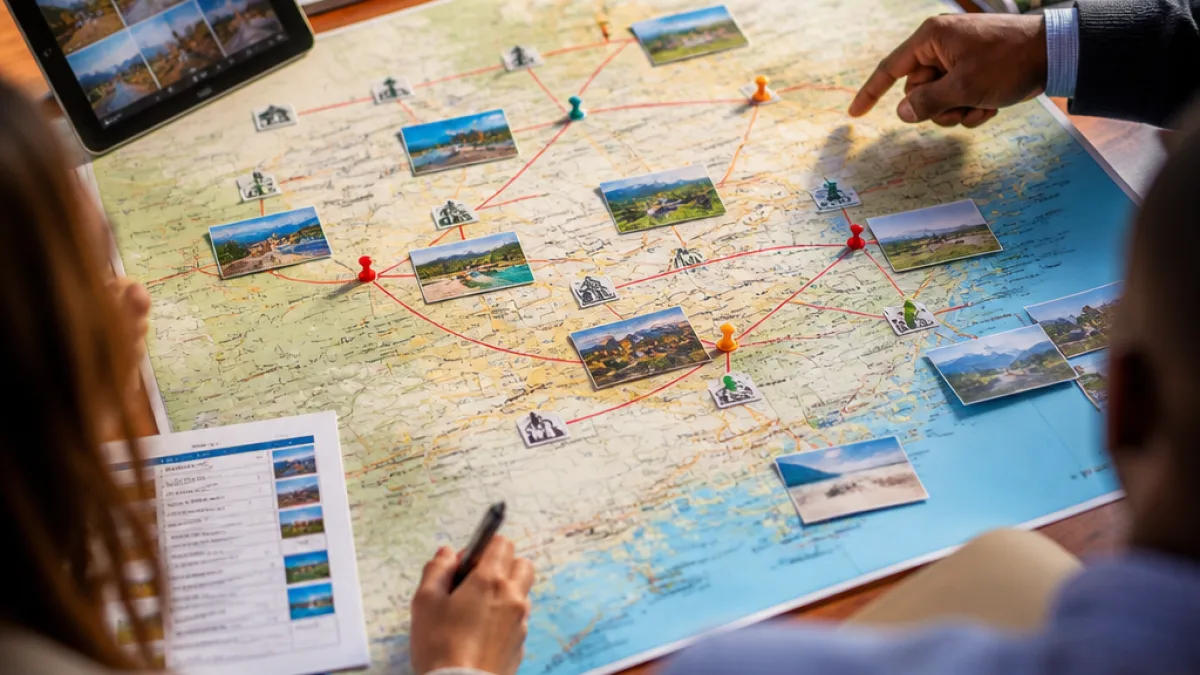
The Free State has entered a formal tourism cooperation with the Eastern Cape and the Northern Cape aimed at creating longer, connected travel routes that officials say will boost visitor numbers, extend stays and open new business opportunities for communities and smaller tourism operators.
What the partnership seeks to do
The three provinces have pledged to move beyond simply cross-promoting separate destinations and instead design practical, linked itineraries and referral systems between operators, according to a statement by Eastern Cape MEC for Economic Development, Environmental Affairs and Tourism, Nonkqubela Pieters, published on the provincial government’s Facebook page.
“Provincial boundaries matter for administration, but they should never limit our imagination because tourists do not plan their memories around border signs,” Pieters said.
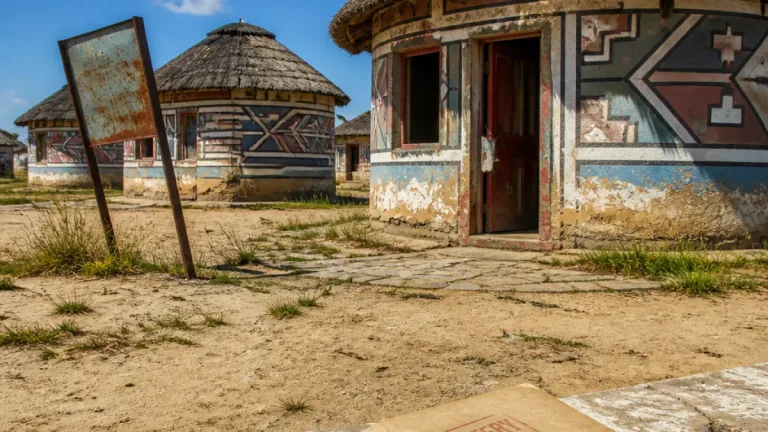
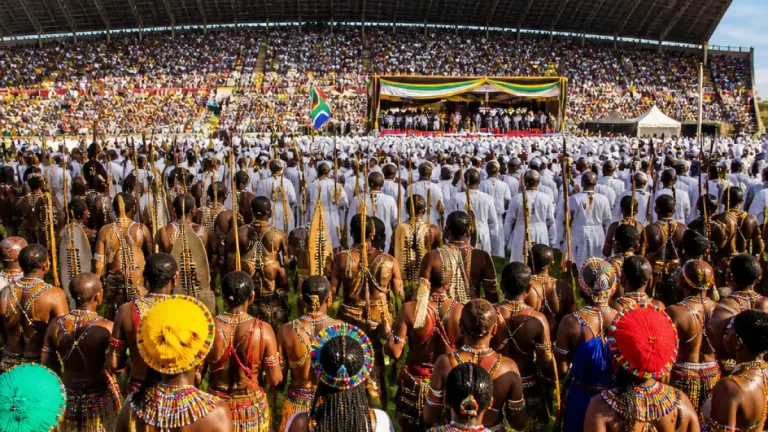
Officials say the collaboration will showcase the Free State’s heritage and cultural attractions alongside the Northern Cape’s Karoo landscapes and astronomy strengths and the Eastern Cape’s coastline, Wild Coast, wildlife and food offerings. Digital tools and platforms are expected to play a prominent role in how the combined offering is presented and booked.
Why this matters for the Free State
Tourism is a labour-absorbing sector that can benefit smaller towns and informal settlements through increased visitor spend, ground-level services and expanded distribution of economic activity. By positioning Free State sites as part of longer, multi-province trips, officials hope to capture tourists who might otherwise only visit one province.
The initiative includes a spotlight on the Lake Gariep area, where funding has been secured for pre-feasibility studies to assess tourism demand and infrastructure needs, the statement said. Those studies will inform whether and how the area can be developed to attract longer visits and additional investment.
Key elements of the plan
- Design of connected travel routes and practical, bookable itineraries across the three provinces.
- Use of digital platforms and technology to help visitors discover destinations, access information and make bookings.
- Stronger referral networks between tourism operators and coordinated marketing campaigns.
- A focus on ensuring emerging and smaller tourism businesses benefit from any digital transition.
Pieters emphasised that the provinces should not compete for the same visitor but rather complement one another so one destination creates the reason to start a trip, another to extend it and a third to ensure a return visit.
Digital era and inclusivity concerns
The announcement comes during Tourism Month, held under the theme “Growing South Africa’s Tourism Sector in the Digital Era”, reflecting wider industry shifts toward online discovery and booking tools as well as the growing use of artificial intelligence in trip planning.
Pieters warned that a digital push must be inclusive. “Technology must still serve people and should never widen the gap between established businesses and emerging enterprises,” her statement said, underscoring a commitment to support smaller operators so they can access online markets.
Local implications and next steps
For the Free State this means provincial tourism authorities will need to work closely with local municipalities, heritage sites, hotels, guesthouses, tour operators and transport providers to create seamless visitor experiences. Key actions likely to follow include:
- Mapping of Free State attractions that fit into multi-province circuits.
- Engagements with small tourism businesses to ensure digital readiness and marketing support.
- Implementation of the Lake Gariep pre-feasibility studies to identify infrastructure gaps.
| Province | Core selling points |
|---|---|
| Free State | Heritage, culture, inland routes |
| Northern Cape | Karoo landscapes, astronomy, adventure |
| Eastern Cape | Coastline, Wild Coast, wildlife, food, adventure |
Officials did not provide a public timetable for rolling out the joint itineraries or outline a funding envelope for implementation beyond the mention of preparatory studies at Lake Gariep. The success of the partnership will depend on coordination across three provincial administrations and buy-in from private-sector operators.
For travellers and local operators in the Free State, the announcement suggests opportunities for longer visitor stays and new markets if the provinces manage to present coherent, bookable travel products. Residents and small businesses interested in participating should watch for upcoming calls from provincial tourism departments and local municipalities for engagement and support programmes.
This report is based on a provincial statement published on the Eastern Cape government’s Facebook page and comments attributed to MEC Nonkqubela Pieters.