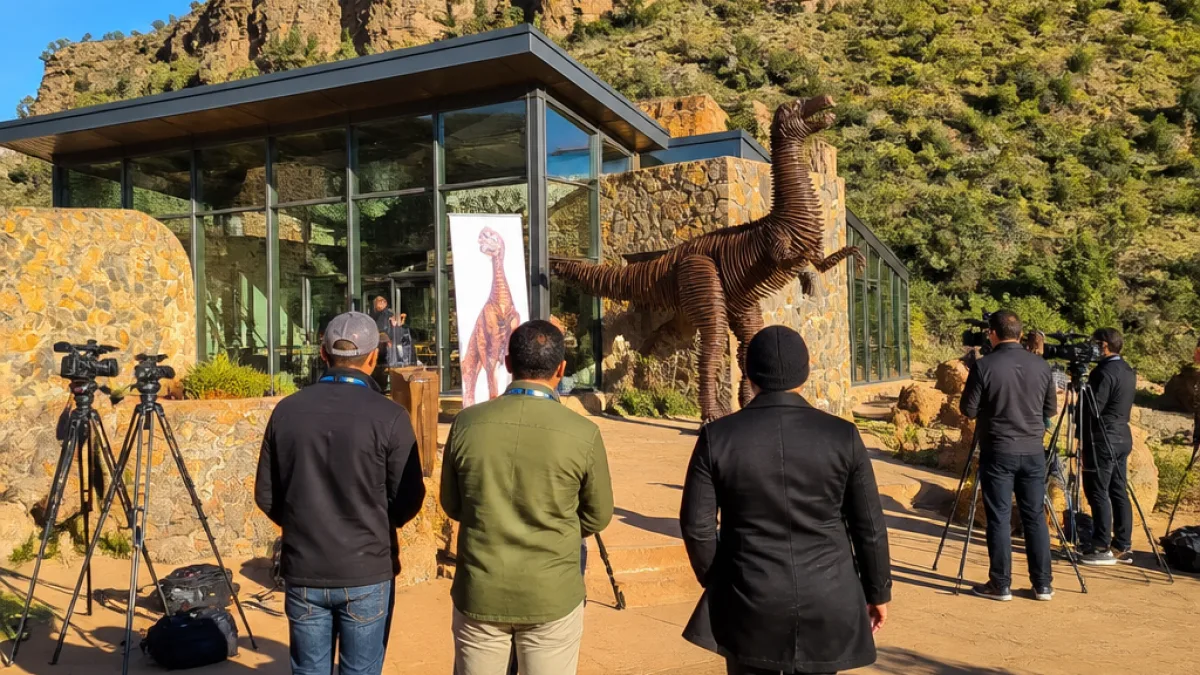
Tourism Minister Patricia de Lille has urged travellers to look beyond South Africa’s familiar attractions and highlighted a Free State innovation in heritage tourism — the Kgodumodumo Dinosaur Interpretation Centre at Golden Gate Highlands National Park — as an example of what the country can offer.
National promotion and private investment
Speaking at the global launch of Club Med South Africa in Durban, De Lille emphasised the need for closer cooperation between government and the private sector to market the country and develop new tourism experiences. She told IOL that government marketing spend for South Africa stands at R1 billion, while the private sector contributes around R30 billion, a disparity she said requires partnership rather than competition.
“As government, we only invest R1 billion into marketing South Africa as a destination. But the private sector puts in R30 billion,”
The minister argued that public‑private collaboration is critical to present a broader range of experiences to both first‑time and repeat visitors.
Spotlight on the Free State’s prehistoric offering
De Lille drew attention to the Kgodumodumo centre, built inside Golden Gate Highlands National Park, which opened in June 2025. The centre brings together palaeontology, archaeology, geology and cultural heritage, and is located in an area noted for some of the world’s oldest discovered dinosaur embryos.
SANParks reported that the centre attracted more than 8 000 guests since opening, with most visitors coming from the domestic market. The numbers suggest local interest and the potential to include the site in broader travel itineraries across the Free State and neighbouring provinces.
Why lesser‑known attractions matter
De Lille said lesser‑known sites such as the Kgodumodumo centre can give repeat visitors new reasons to return, and can help distribute tourism spend away from heavily visited metropolitan and coastal hotspots. She encouraged the tourism industry to develop and market fresh experiences that highlight South Africa’s diversity.
- New product development: Attractions combining science, heritage and culture can attract niche and family markets.
- Domestic visitors: Early attendance has been driven largely by South African travellers, offering a base for growth.
- Partnerships: Coordinated marketing between SANParks, provincial tourism agencies and private operators can amplify reach.
Local implications for the Free State
For the Free State, the Kgodumodumo centre augments existing natural and cultural draws such as the park’s sandstone cliffs and surrounding towns like Clarens and Bethlehem that provide accommodation and services. Tourism leaders in the province have for years highlighted the need to build itineraries that keep visitors longer and spread benefits to smaller towns and service providers.
| Item | Figure |
|---|---|
| Government marketing spend (national) | R1 billion |
| Private sector marketing spend (national) | R30 billion |
| Visitors to Kgodumodumo since opening | 8 000+ |
Tourism businesses and local authorities will need to ensure that roads, signage, accommodation and hospitality services keep pace if visitor numbers rise. Practical improvements — such as clearer route signage to Golden Gate, improved visitor information at nearby towns, and coordination of local tourism packages — could help convert initial interest into longer stays and higher local receipts.
De Lille also injected a note of humour to counter sensational expectations rooted in popular culture, saying the attraction is not a Hollywood spectacle. Her emphasis was on presenting robust, scientifically informed exhibits that add value to South Africa’s tourism product.
The Kgodumodumo Dinosaur Interpretation Centre offers the Free State a visible example of product diversification in tourism and a prompt for provincial and municipal authorities to work with SANParks and private operators to turn public interest into sustainable economic benefit.
Reporting on national leaders promoting provincial assets can help residents and businesses understand the opportunities and gaps as tourism demand evolves. For now, the Free State’s prehistoric story is drawing visitors curious about the country’s deep past and local economies are hoping those curious visits translate into broader growth.