BLOEMFONTEIN — The national scale of municipal dysfunction includes a heavy Free State presence, the Minister of Cooperative Governance and Traditional Affairs (CoGTA), Velenkosini Hlabisa, told Parliament this month. Of the 38 municipalities identified as distressed in August, eight are in the Free State and are subject to ongoing constitutional interventions.
Which municipalities are affected
Hlabisa named the eight Free State councils reported as distressed as: Mangaung, Mafube, Tokologo, Kopanong, Matjhabeng, Nala, Masilonyana and Ngwathe. He gave this information in response to questions from IFP MP Alco Ngobese, according to reporting by IOL.
"Of the 38 municipalities nationally identified as distressed in August, eight are in the Free State,"
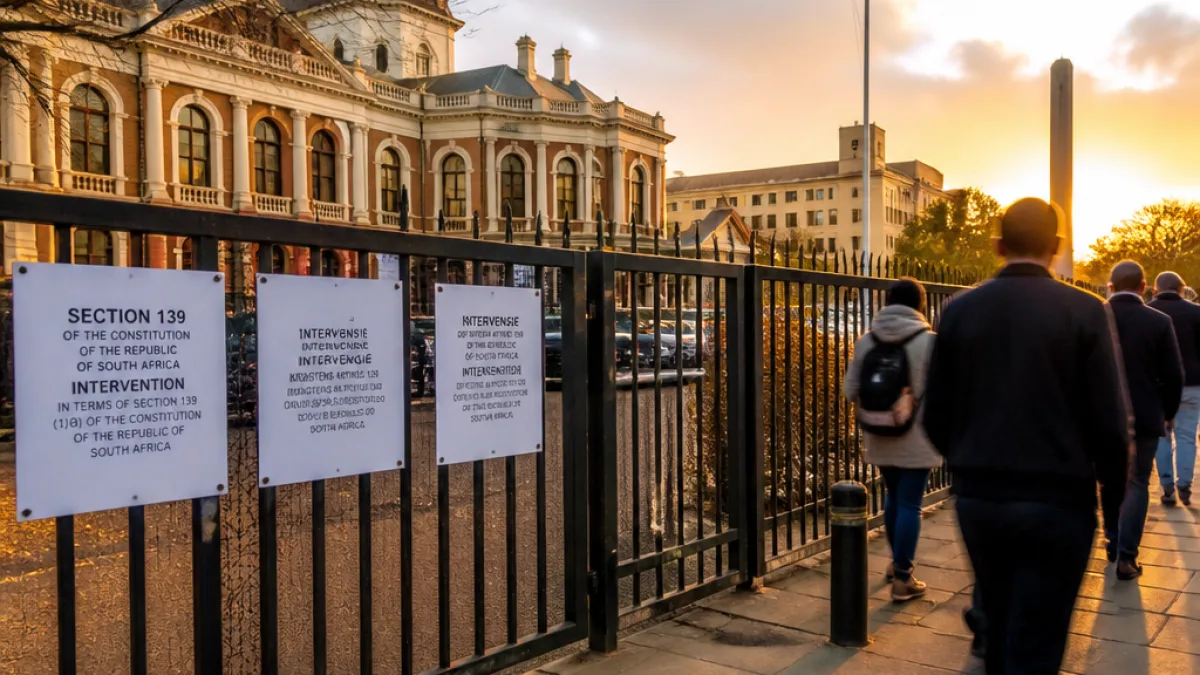
The minister also told Parliament that most distressed municipalities are under formal intervention measures. He said 37 of the 38 flagged municipalities were subject to interventions in terms of section 139 of the Constitution, which allows provincial or national government to intervene in municipal functions where councils cannot fulfil their obligations.
Provincial and national spread
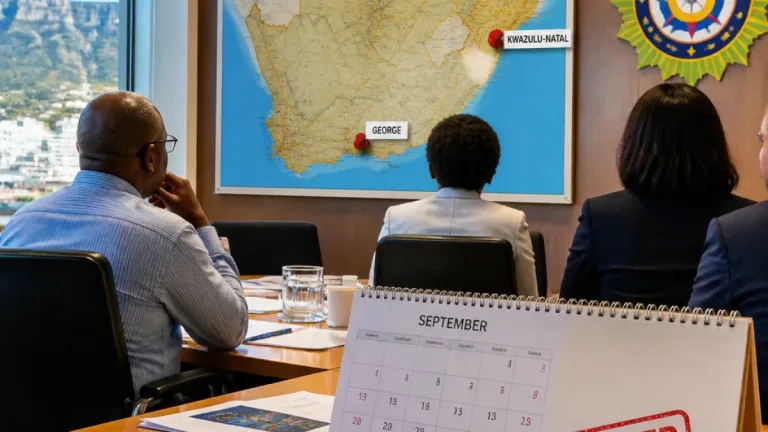
Hlabisa gave a national breakdown of the distressed list. Apart from the Free State, the list includes municipalities in the Western Cape (four), KwaZulu‑Natal (one), Gauteng (two), Eastern Cape (five), Limpopo (one), Mpumalanga (five), North West (eight) and Northern Cape (three).
| Province | Municipalities on distressed list |
|---|---|
| Free State | Mangaung; Mafube; Tokologo; Kopanong; Matjhabeng; Nala; Masilonyana; Ngwathe |
| Western Cape | Beaufort West; Kannaland; Garden Route; Theewaterskloof |
| Gauteng | Emfuleni; Merafong |
| KwaZulu‑Natal | Impendle |
Audit outcomes and enforcement
Hlabisa reported mixed prospects among the distressed municipalities. In the 2024/25 audit cycle, seven of the 38 recorded improved audit outcomes, 28 remained unchanged and two regressed.
Locally, the opposition Democratic Alliance (DA) has signalled more direct action where it says government oversight has been ineffective. The DA CoGTA spokesperson in the Free State, David Mc Kay, said the party laid criminal charges against five municipal managers across four Free State municipalities — Masilonyana, Nketoana, Mohokare and Maluti‑a‑Phofung — for alleged financial management failures following Auditor‑General findings. The DA said the charges were lodged under section 173(1) of the Municipal Finance Management Act, which addresses conduct such as gross negligence and material accounting irregularities.
What section 139 interventions mean for residents
Section 139 interventions can take several forms: from provincial oversight and support to temporary administration. For residents, the immediate implications vary: some interventions aim to restore basic service delivery, others focus on financial stabilisation or governance reform. Where national or provincial administrators are appointed, they temporarily assume certain executive powers to address the crisis.
Practical effects on the ground typically include:
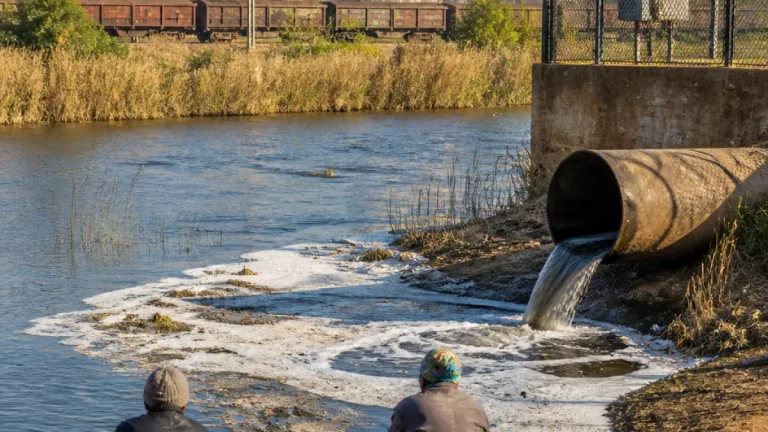
- targeted efforts to restore water, sanitation and electricity supply where networks have failed;
- financial oversight measures that may delay procurement but seek to address irregular expenditure;
- administrative changes intended to improve long‑term governance and audit outcomes.
Local context and next steps
The Free State’s appearance on the national distressed list adds to ongoing scrutiny of several of the province’s municipalities, which have faced longstanding challenges with revenue collection, infrastructure maintenance and audit compliance. Where constitutional interventions are under way, provincial and national departments must produce recovery plans and report on progress.
Residents and civil society groups looking for updates should watch for notices from the provincial CoGTA office and municipal communications about intervention plans, public participation opportunities and any temporary administrative appointments. Formal reports and parliamentary responses, like the one delivered by Minister Hlabisa, remain the primary public record of the interventions and their intended outcomes.
As interventions proceed, audit outcomes in subsequent cycles will be a key metric of recovery. For now, the minister’s disclosure makes clear that the Free State remains a significant focus of the national government’s municipal repair efforts.