
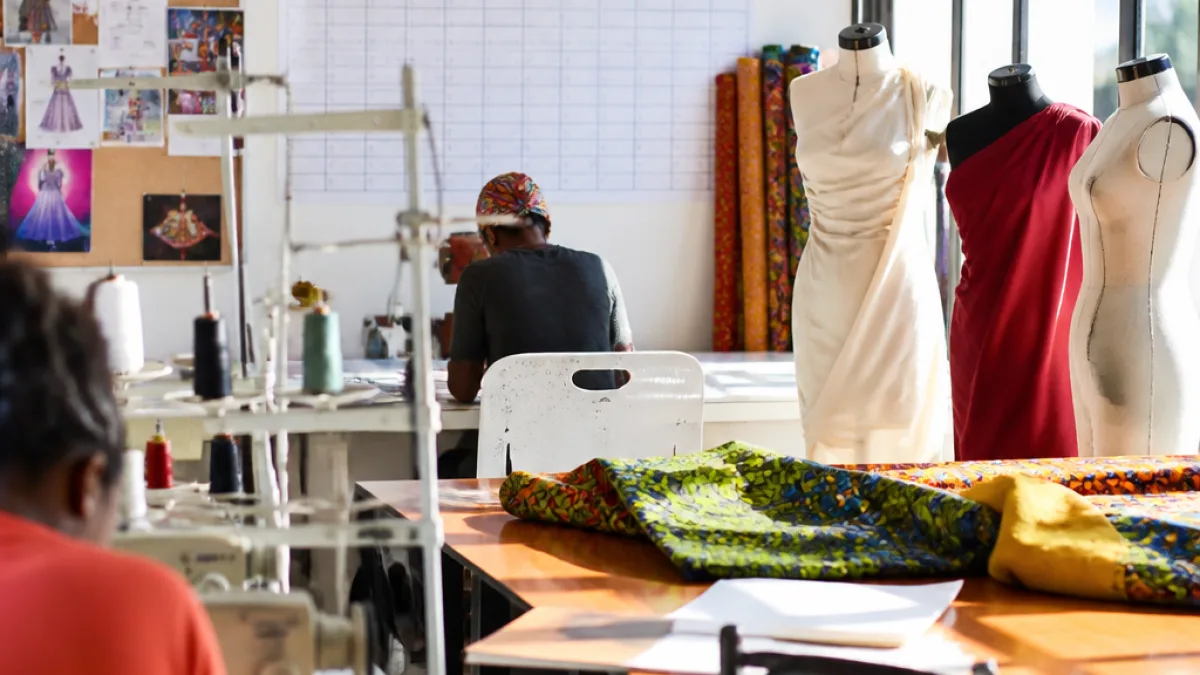
Free State Fashion Week is aiming to move beyond an annual runway event and establish a year‑round fashion ecosystem that supports emerging designers, its chief executive officer, Candy Smith, said this week.
From a show to a sustainable platform
Since its start in 2016, the event has served as a visible showcase for local creative talent. But organisers argue that a single week of shows is not enough to entrench a competitive fashion industry in the province.
Smith said the focus now must be on training, mentorship, better access to markets and closer partnerships with government and agencies such as the Youth Development Agency so designers can access continuous opportunities.
“Throughout the year, we need to focus on training, strengthening mentorship, access to markets and working together with industry partners like government and the Youth Development Agency to strengthen this ecosystem so that our fashion entrepreneurs can have more opportunities.”
The organisation’s stated vision is to position Free State Fashion Week as a business and one of South Africa’s leading fashion development platforms with strong national and international links.
Challenges designers face
Smith identified several recurring obstacles that limit local designers’ capacity to grow:
- Access to funding — designers need capital to invest in materials and production.
- Equipment shortages — limited access to production equipment constrains output and quality.
- Irregular business opportunities — a reliance on annual events leaves income streams uneven.
- Competition from fast fashion — cheaper international alternatives make it hard for local labels to compete on price.
What organisers want from partners
Free State Fashion Week has been seeking stronger institutional support for several years. Smith said the organisation has been “knocking on those doors” for a decade and urged that they be opened to provide practical, ongoing assistance.
| Challenge | Suggested support |
|---|---|
| Funding | Grants, affordable loans, or sponsorship programmes |
| Skills and mentorship | Year‑round training courses and industry mentorship |
| Market access | Linkages to national and international buyers, trade shows |
Focus on quality and business skills
Smith emphasised that creative talent alone is not enough. Sustainable businesses require strong production standards and robust commercial skills.
“For young designers to be competitive, they need continuous development and learning, strong business skills that they can’t get overnight. The biggest thing is quality production. Our designers must focus on quality,” she said.
Events that raise the profile
The Women’s Day Business and Fashion Fest — held on 8 August this year — has become an important platform in the Free State calendar, drawing high‑profile figures and raising the sector’s visibility. Smith noted that the festival has grown from a build‑up event into a standalone attraction.
Past participants referenced in the organisation’s communications include South African celebrities who have helped boost public interest in the province’s fashion offering.
What this means for the province
A stronger fashion ecosystem could widen economic opportunities in the Free State by supporting small businesses, creating jobs and nurturing creative industries that feed into tourism and retail. But realising those gains will depend on coordinated action from organisers, government departments, funding bodies and industry partners.
Practical takeaways for emerging designers:
- Prioritise consistent quality in production.
- Seek out year‑round training and mentorship opportunities.
- Engage with industry partners and funding agencies to access markets and capital.
Free State Fashion Week’s leadership says it is prepared to expand its role if institutional support follows. For now, organisers continue to push for sustained interventions that will turn periodic exposure into long‑term, viable businesses for local designers.














