Fraudulent medical certificates are imposing significant costs on South African businesses and undermining confidence in workplace health clearance, a Pietermaritzburg healthcare provider and professional bodies have warned.
Claims of widespread forgeries
Med24, an injury-on-duty centre in Pietermaritzburg, told reporters it had fielded repeated enquiries from employers seeking to verify certificates submitted by staff. The centre said the problem had persisted for almost two years, with enquiries coming from large retailers, chain stores and other businesses.
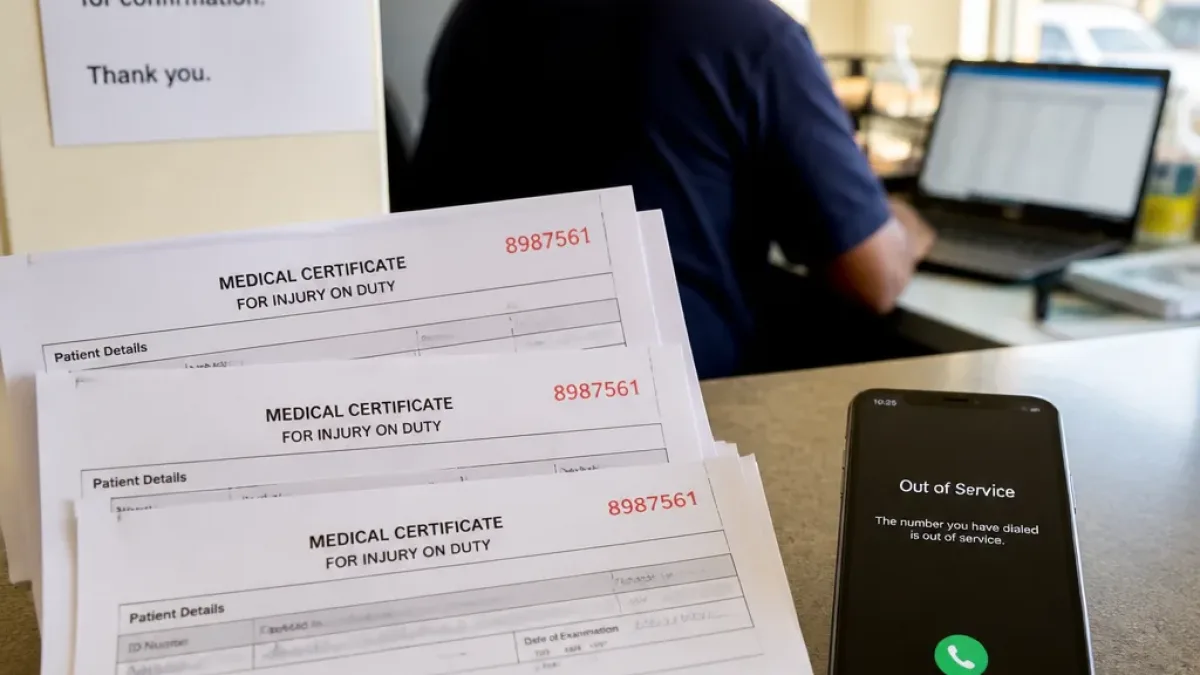
Employers became suspicious after receiving multiple certificates allegedly issued by the centre. On inspection, the centre found a number of irregularities, including certificates with the same sequence number issued in different names, signatures not recognised by practising doctors at the centre, names of doctors listed who were no longer practising there, an outdated note format and phone numbers that were no longer in use. The certificates typically authorised sick leave ranging from two to five days and offered only a brief reason listed as a
"medical condition".
Warnings from professional and business groups
The Health Professions Council of South Africa (HPCSA) and the South African Medical Association (Sama) have issued cautions about the misuse of medical certificates. Business leaders and employer groups say the prevalence of forged notes is costing companies millions in lost productivity, replacement labour and operational disruption, and is eroding trust between employers and employees.
- Employers report receiving multiple suspect certificates from single employees, in some cases more than five in a month.
- Some employees allegedly obtained the forged certificates from a shopping centre in Pietermaritzburg, according to enquiries relayed to the centre.
- Emergency services and other critical employers have flagged concerns after scrutinising certificates submitted during July and August.
How the forgeries were identified
Med24 described the steps it took after receiving employer enquiries: comparing the sequence numbers on documents, checking signatures against practising clinicians currently at the centre, verifying listed clinicians’ current associations with the centre, and confirming contact details. The centre then informed employers that the notes were fraudulent.
| Irregularity found | Implication |
|---|---|
| Same sequence number used for different names | Indicates document duplication or manufacturing |
| Unrecognised signatures | Signatures not matching practising doctors at the centre |
| Doctors listed no longer practising at the centre | Outdated or fabricated stationery |
| Format no longer in use; inactive phone numbers | Evidence of document tampering or reuse of old templates |
Consequences for employers and clinical practice
Businesses face tangible costs when staff are absent under questionable medical certification: short-term staff replacements, overtime payments, and disruptions to service delivery. For sectors such as emergency services, recurring unexplained absences can compromise response capacity. Professional bodies warn that widespread fraud also damages the reputation of legitimate clinicians and may complicate genuine patients’ access to necessary leave and care.
Health regulators, employers and clinical centres will need to consider stronger verification processes. These may include clearer verification channels between clinicians and employers while protecting patient confidentiality, and awareness campaigns about the legal and professional consequences of forging medical documentation.
Advice for employers and employees
- Employers should establish formal verification procedures with listed healthcare providers before acting on medical certificates.
- Clinics and occupational health centres should keep updated, secure records of issued certificates and a clear way for legitimate verification inquiries.
- Employees should obtain certificates directly from recognised healthcare facilities and be wary of third-party offers to provide documentation.
Anyone uncertain about a medical certificate should consult the issuing clinic or occupational health provider rather than relying solely on the document. For clinical questions or personal health concerns, consult your doctor or nearest clinic; do not self-diagnose or delay care.
The matter highlights an intersection of workplace policy, clinical governance and law enforcement. The HPCSA and Sama are positioned to advise clinicians on professional conduct; employers and regulatory agencies will need to weigh options to protect both workplace operations and patients’ rights.