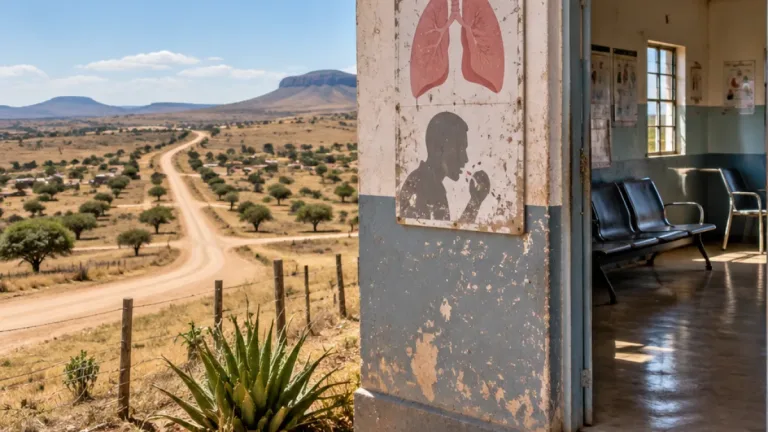
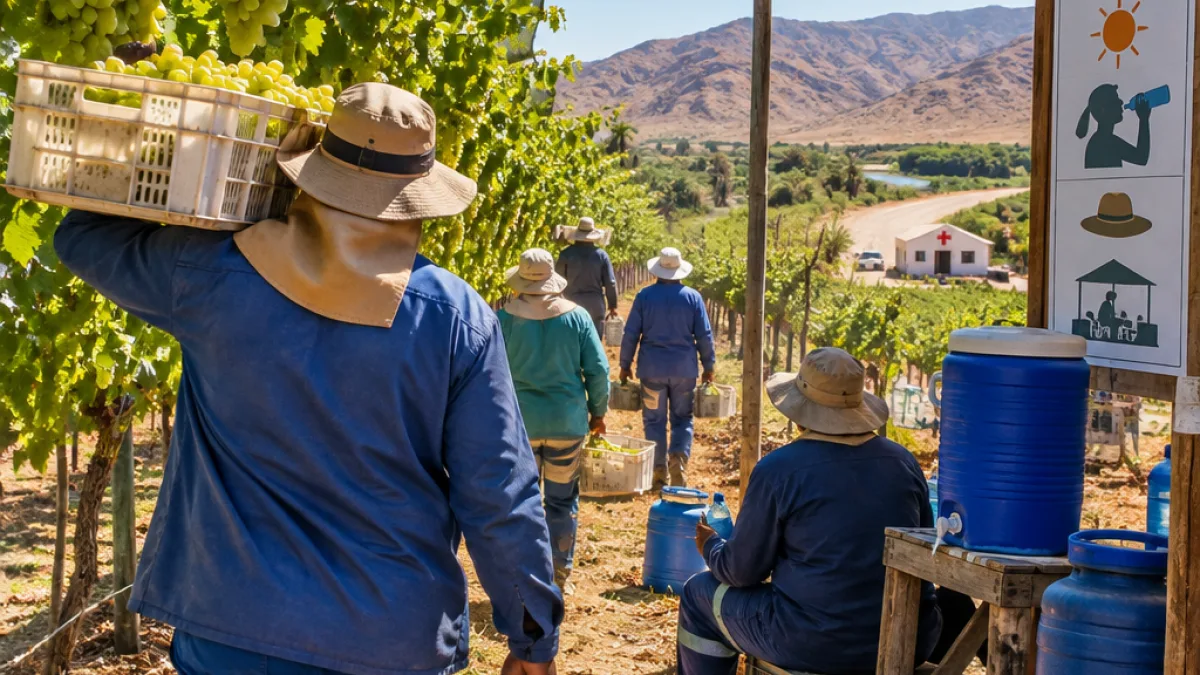
Kakamas is to become the focus of a long-term intervention aimed at reducing the health risks of extreme heat for agricultural workers, following the deaths of seven table-grape pickers in the area in January 2023.
The internationally funded project will involve farm owners and farm workers, as well as wider community structures, in an effort to strengthen the response to heat-related illness. The programme is being developed against a backdrop of rising concern about high temperatures and the effect of a warming climate on people who work outdoors.
Agricultural workers identified as vulnerable
South Africa’s national heat-health action guidelines identify agricultural workers as particularly vulnerable because their work is physically demanding and is often carried out in direct sunlight. The risks are especially significant during periods of extreme heat, when strenuous labour and prolonged exposure can place additional pressure on the body.
Celeste Madondo of the Foundation for Professional Development said the organisation’s usual work involved training medical professionals, but that the new AHRISA project would broaden the meaning of frontline responders. In Kakamas, this approach will include farms and the people working on them, alongside communities, schools and early childhood development centres.
“It will be our first intervention specifically focused on addressing the effects of heat in an agricultural setting.”
Madondo said the Foundation for Professional Development planned to work with farm owners and farm workers in the Kakamas area until 2028. She said the deaths recorded in 2023 had highlighted the need for practical protection for outdoor workers and communities exposed to severe heat.
Project focus in Kakamas
- Training and preparedness will extend beyond the health sector to include communities and workplaces.
- Farm owners and farm workers will be included as frontline responders in the local intervention.
- Schools and early childhood development centres will form part of the broader community approach.
- The planned work in the Kakamas area is expected to continue until 2028.
| Issue | Information reported |
|---|---|
| Local impact | Seven table-grape pickers died from heat exhaustion in January 2023 |
| Project area | Kakamas and surrounding agricultural workplaces |
| Project period | Work with farm owners and farm workers planned until 2028 |
Nationally, about 10 heat-stroke deaths a year are officially recognised, although the Foundation for Professional Development believes the figure may not reflect the full scale of the problem. Heat-related deaths can be difficult to identify and record consistently, making preparedness and early response important parts of the public-health response.
The Northern Cape has been identified as a high-priority province from a climate perspective. The province’s agricultural communities face particular challenges because many workers spend long periods outdoors, while the table-grape industry remains an important part of the local economy. The project’s emphasis on both employers and workers is intended to connect national guidance with conditions on farms in and around Kakamas.
The intervention follows the National Department of Health’s development of heat-health action guidelines in 2020. Those guidelines were designed to improve the health sector’s preparedness for extreme heat. The Foundation for Professional Development supports implementation of the guidelines, seeking to bridge the gap between national policy and action in local communities.
The work comes as international climate discussions continue to focus on the consequences of a warming planet for human health. According to the project information, maximum heat records have already been surpassed in parts of South Africa this summer, with the number of heat-related deaths expected to rise in the coming years. For Kakamas, the planned intervention places the protection of farm workers and other outdoor communities at the centre of that wider challenge.