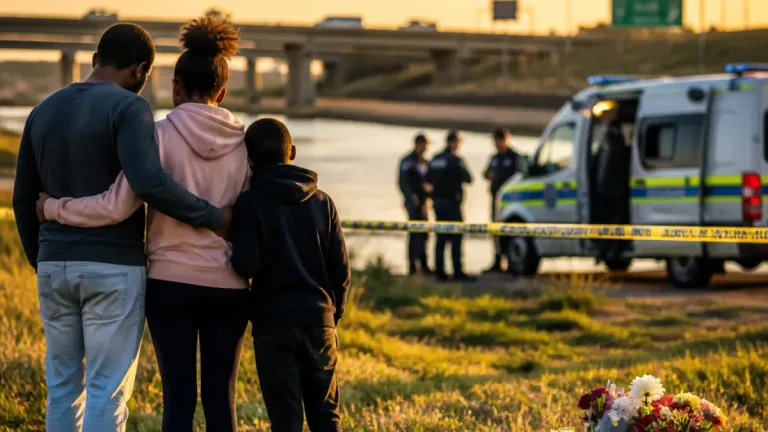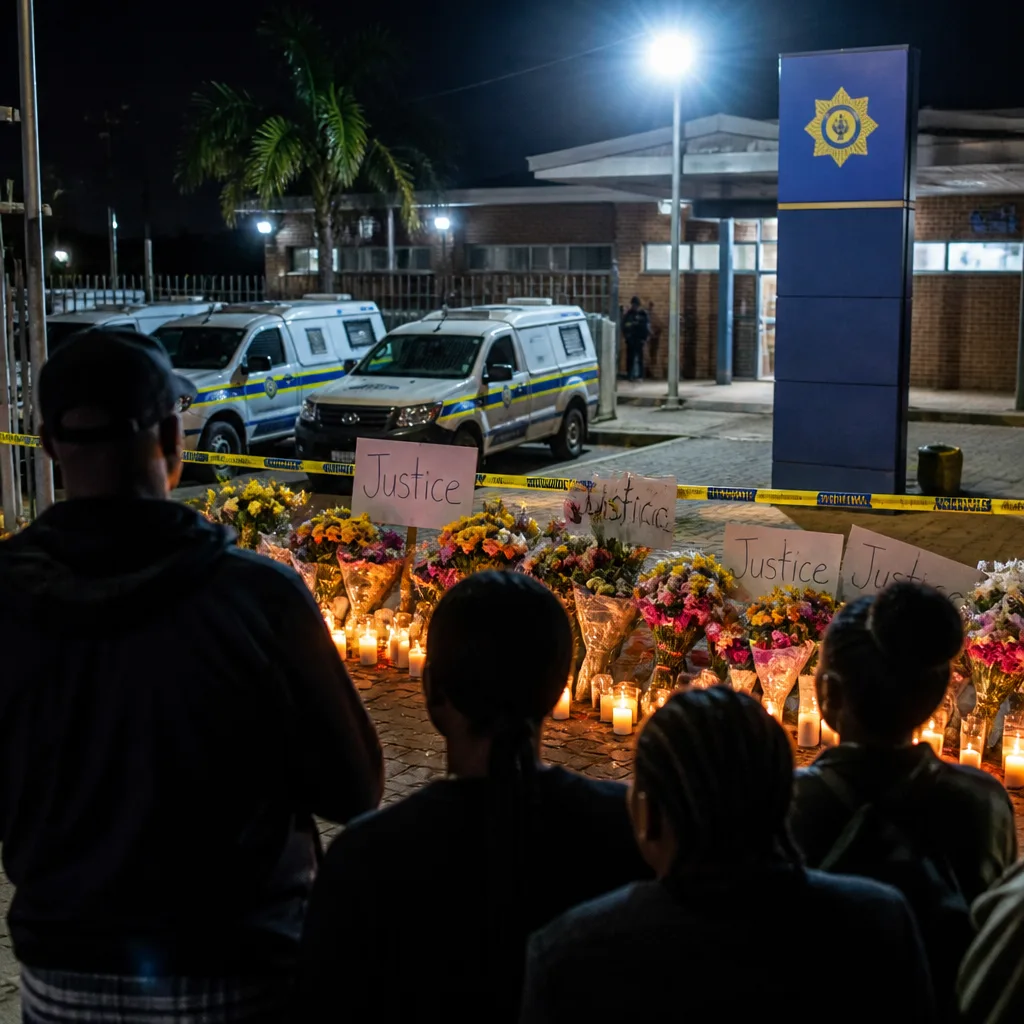
South Africa’s policing crisis has come under renewed scrutiny after the discovery of multiple women's bodies in Ekurhuleni and allegations that the South African Police Service (SAPS) failed to warn or protect communities despite warning signs.
Community alarm after several deaths
Since July, the bodies of nine women have been found in parts of Ekurhuleni, the reporting says, a pattern that residents and activists fear could indicate the presence of a serial offender or offenders. One of the cases that drew national attention was the killing of Elizabeth “Tsontso” Moselakgomo, who was found beaten and dumped.
Families and community members have expressed frustration that police did not issue public warnings about a possible serial perpetrator and that proactive measures to protect women were not put in place. Instead, police communications advising women to avoid jogging or walking alone were widely criticised as shifting responsibility onto potential victims rather than addressing policing shortcomings.
“be vigilant”
The use of the phrase “be vigilant” in police messaging has proved particularly contentious, with critics saying it amounts to abdication of the state’s obligation to protect citizens. The reporting argues that the tone and timing of police advisories have left communities feeling abandoned and fearful.
Allegations of corruption and mismanagement
The alleged failures in Ekurhuleni sit against a wider backdrop of concerns about SAPS conduct. The reporting cites accusations that some officers accept bribes and that others are insufficiently familiar with the laws they are expected to enforce. Such allegations, if substantiated, would undermine public trust and complicate efforts to investigate serious crimes.
Further aggravating public concern are findings raised by the Madlanga commission, which the reporting says exposed instances of corruption and mismanagement in policing and related institutions. Critics contend that resources are sometimes prioritised for high-profile or politically sensitive deployments rather than for sustained community safety interventions where they may be most needed.
Wider context: gender-based violence and resource allocation
The country reportedly recorded more than 50 000 gender-based violence cases in the past financial year, the reporting notes, underscoring the scale of the challenge. At the same time, it is claimed that the state recently authorised deployments that cost about R600 million to protect businesses and migrants, a decision that some see as misaligned with community safety priorities.
Critics maintain that these spending choices deepen the sense of betrayal among communities that remain vulnerable to drug abuse, human trafficking and child exploitation. Calls for urgent, targeted action to tackle trafficking networks and drug syndicates are growing louder in areas affected by the recent deaths.
- Nine women found dead in Ekurhuleni since July, according to the reporting.
- More than 50 000 gender-based violence cases recorded nationally in the last financial year.
- R600 million reportedly spent on security deployments seen by critics as favouring business and migrant protection over community policing.
| Issue | Figure cited |
|---|---|
| Gender-based violence cases (annual) | 50 000+ |
| Recent security deployments | R600 million |
Police statements and SAPS leadership responses to these specific allegations were not included in the reporting. The concerns have nevertheless prompted community leaders and civil society to demand clarity about investigative steps, resource allocation and accountability measures within the police service.
Consequences and next steps
Beyond the immediate impact on grieving families, the sequence of events in Ekurhuleni has broader implications for public confidence in law enforcement. If the public perceives that police are indifferent, under-resourced or compromised by corruption, cooperation with investigations and crime prevention initiatives may decline — a scenario that could aid organised criminal networks.
Experts and community activists quoted in the reporting have called for urgent, transparent investigations into the recent deaths, stronger victim-centred policing, and a reassessment of how policing resources are deployed to ensure communities — particularly women and children — are better protected.
Legal and oversight mechanisms, including inquiries and parliamentary scrutiny, will be important to establish whether systemic failures contributed to these incidents and what reforms are required. Any such processes must be open and evidence-based to restore confidence and ensure that allegations of corruption are thoroughly examined.
The unfolding situation in Ekurhuleni is likely to remain a focal point for national debate on policing priorities and accountability as families seek answers and the broader public demands effective action to stem rising levels of violent crime.