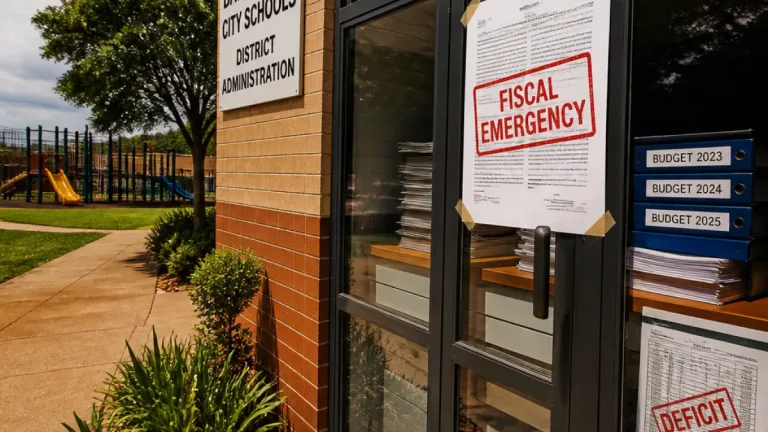
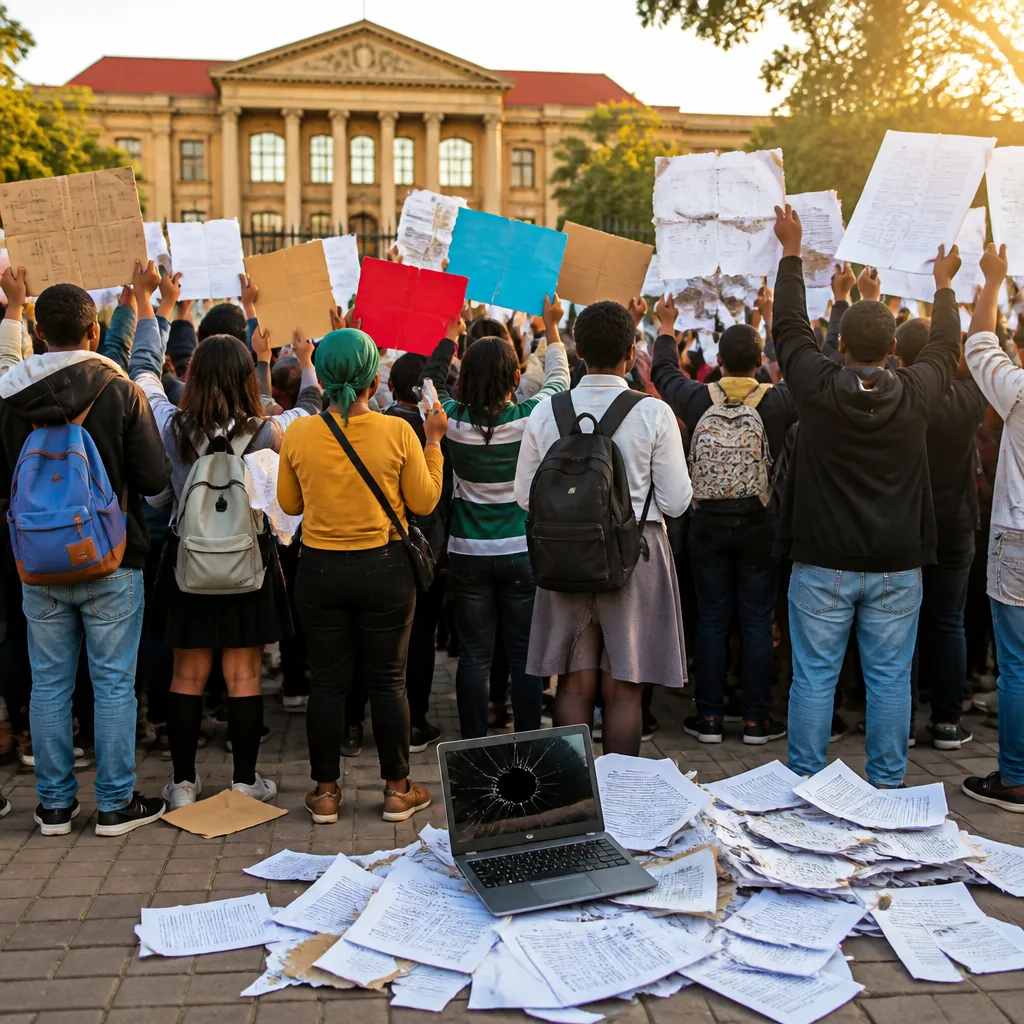
Exam season has escalated from household anxiety to national unrest in several countries after a string of scandals involving leaked papers, suspected use of artificial intelligence and problematic attempts at digitising marking.
Mass retakes and political fallout
In Mexico, nearly 60,000 university applicants were required to retake admission exams amid allegations of cheating, prompting demonstrations by students and families. Portugal experienced what has been described as its worst education crisis in decades after a digital overhaul of school exam marking collapsed.
By far the most disruptive episode took place in India, where a widespread exam paper leak affected millions of students. The scandal precipitated the resignation of the education minister and was associated with more than a dozen student deaths by suicide, underscoring the human toll when high-stakes assessments fail.
Experts link the crisis to AI and high-pressure assessment cultures
Education specialists cited in the reporting point to two connected drivers: the rise of AI-enabled cheating and growing attempts to digitise examinations and marking systems. Both trends, the experts argue, have intensified the stakes attached to single tests.
“The pressure on young people has absolutely changed... The results of one examination determining a person’s entire future really creates untenable pressure on young people,” said Dr Sarah Eaton of the Werklund School of Education at the University of Calgary.
Dr Eaton framed cheating not merely as individual dishonesty but as a systemic problem when commercial networks profit from stealing and selling exam materials. This commercialisation, combined with technological vulnerabilities in assessment delivery and marking, has turned exam season into a flashpoint for wider social unrest.
Consequences for learners, families and education systems
The incidents reported demonstrate several immediate and medium-term effects:
- Widespread disruption to admission and matriculation timelines as tests are cancelled or re-administered.
- Political consequences, including ministerial resignation, where integrity failures implicate state systems.
- Severe psychological harm to learners when whole cohorts face uncertainty about life-defining results.
The stories from Mexico, Portugal and India underline how fragile public trust in examinations can be when technology or criminal enterprise undermines secure assessment processes.
| Country | Key problem | Impact |
|---|---|---|
| Mexico | Suspected cheating on university entrance exam | ~60,000 applicants required to retake tests; protests |
| Portugal | Failed digitisation of exam marking | Described as worst education crisis in decades |
| India | Large-scale paper leak | Affected millions; minister resigned; over a dozen student suicides linked |
For South African educators and policy-makers the episode offers urgent lessons. High-stakes assessments already concentrate enormous anxiety; when systems are vulnerable—whether to technological failure, organised leaking, or new forms of cheating—the consequences extend beyond academic fairness to learners’ wellbeing and social stability.
Responses will need to be multi-pronged: tightening security around exam content, ensuring robust and transparent digital systems where they are used, and strengthening support for learners facing the psychological pressure that accompanies high-stakes testing. The cases also point to the need for realistic contingency planning when large cohorts are affected simultaneously.
As countries grapple with how to adapt assessment in an era of sophisticated technology and commercialised leakage, the priority must be to protect learners—their futures and their mental health—while maintaining credible, equitable ways to certify learning.