
Millions of people across Europe are expected to travel to vantage points to watch Wednesday’s solar eclipse, prompting warnings from Spanish authorities about an increased risk of wildfires and alerts from consumer and health groups about unsafe viewing equipment.
Fire risk rises as crowds head into dry countryside
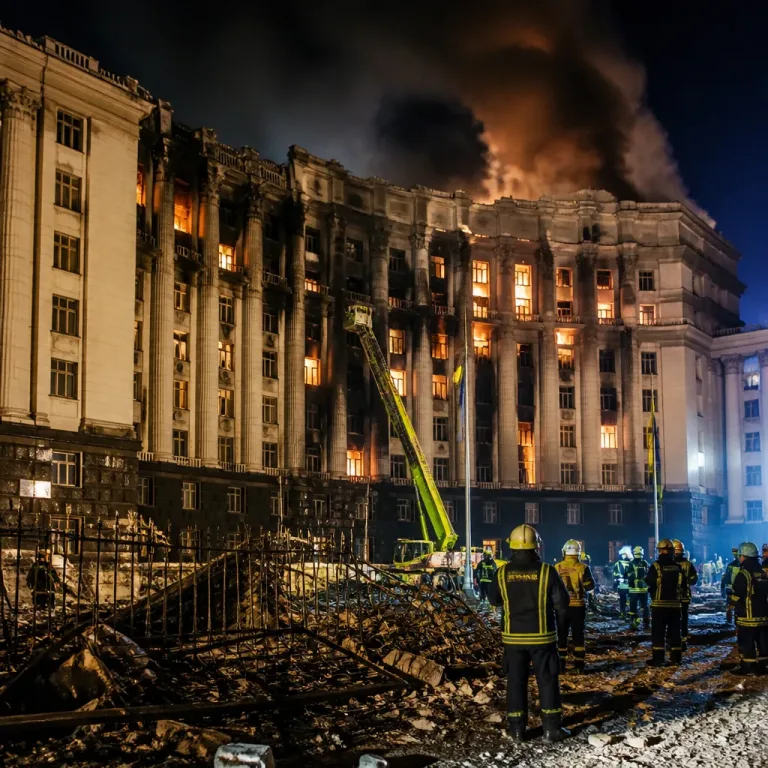
Spanish officials say the country’s tinder‑dry vegetation and recent record temperatures create conditions in which “the smallest spark or carelessness could lead to devastating forest fires.” Police estimate a surge of about 1.5 million extra car journeys as people drive to hills and beaches to reach good viewing locations, raising concerns that parked vehicles and large volumes of traffic could hinder emergency access if fires ignite.
Precautionary measures announced in some regions include bans on parking on hard shoulders or close to dry vegetation, prohibitions on barbecues and fireworks, and the temporary closure of natural parks. Some authorities have also restricted access to rural footpaths.
“The vegetation is extraordinarily dry and the smallest spark or carelessness could lead to devastating forest fires,”
The environment minister’s warning underlines how extreme heat and scant rainfall in recent weeks have amplified fire danger in parts of Europe already scarred by recent blazes. Officials say these factors, combined with large, concentrated outdoor gatherings, increase the likelihood of human‑caused ignitions.
Eye safety and product recalls
Alongside fire warnings, health and consumer groups have cautioned the public about the dangers of viewing the Sun without proper protection. Authorities in Spain distributed protective eclipse glasses free in some areas, but consumer associations have withdrawn several brands after deeming them unsafe.
Hospitals in high‑traffic viewing zones have been placed on alert for possible eye injuries from people watching the eclipse without approved filters.
How to view an eclipse safely
Experts recommend either indirect viewing techniques or using certified eclipse glasses that meet international safety standard ISO 12312‑2:2015(E). Ordinary sunglasses are not safe for looking at the Sun.
- Use a pinhole viewer — a simple, low‑cost way to project the Sun’s image onto paper.
- Project the Sun’s image through a colander or the gaps in tree foliage onto a light surface.
- Employ a simple pinhole projector using two sheets of card to project an image of the Sun.
- Only use eclipse glasses with the ISO 12312‑2:2015(E) mark; discard or avoid brands pulled by consumer authorities.
What this means for people in the North West province
Although the eclipse path and visibility differ across the globe, the Spanish warnings and UK safety guidance hold practical lessons for people in the North West who plan to travel, gather or organise community viewings. When arranging events in open areas or informal settlements, planners should consider fire risk, traffic management and the availability of safe viewing equipment.
Municipalities and community leaders organising public viewings should liaise with local emergency services about access routes and parking, avoid open flames, and ensure that children and adults are briefed on safe viewing methods. If providing eclipse glasses, verify the ISO standard and avoid distributing unvetted brands.
| Risk | Recommended action |
|---|---|
| Wildfire ignition near viewing sites | Ban open flames, control parking away from dry vegetation, coordinate with fire services |
| Blocked emergency access | Designate clear access corridors and avoid parking on shoulders |
| Eye injury from direct viewing | Use ISO‑rated eclipse glasses or indirect projection methods |
Practical tips for communities and workplaces
Employers, community organisations and schools planning to observe the eclipse should institute straightforward safety protocols:
- Use only certified viewing equipment and check brands against consumer safety advisories.
- Choose viewing sites that minimise fire risk — avoid long, dry grass and areas with limited vehicle access.
- Brief participants, especially children, on the dangers of looking directly at the Sun and on simple indirect viewing techniques.
- Keep fire suppression equipment (buckets of water, extinguishers) close at hand when gatherings take place in rural or dry areas.
The international coverage of the eclipse and the responses in Spain and England serve as a reminder that natural spectacles can carry local hazards. Observers should balance the desire to witness a rare celestial event with practical safety planning to protect people and property.
(Reporting from Rustenburg.)