
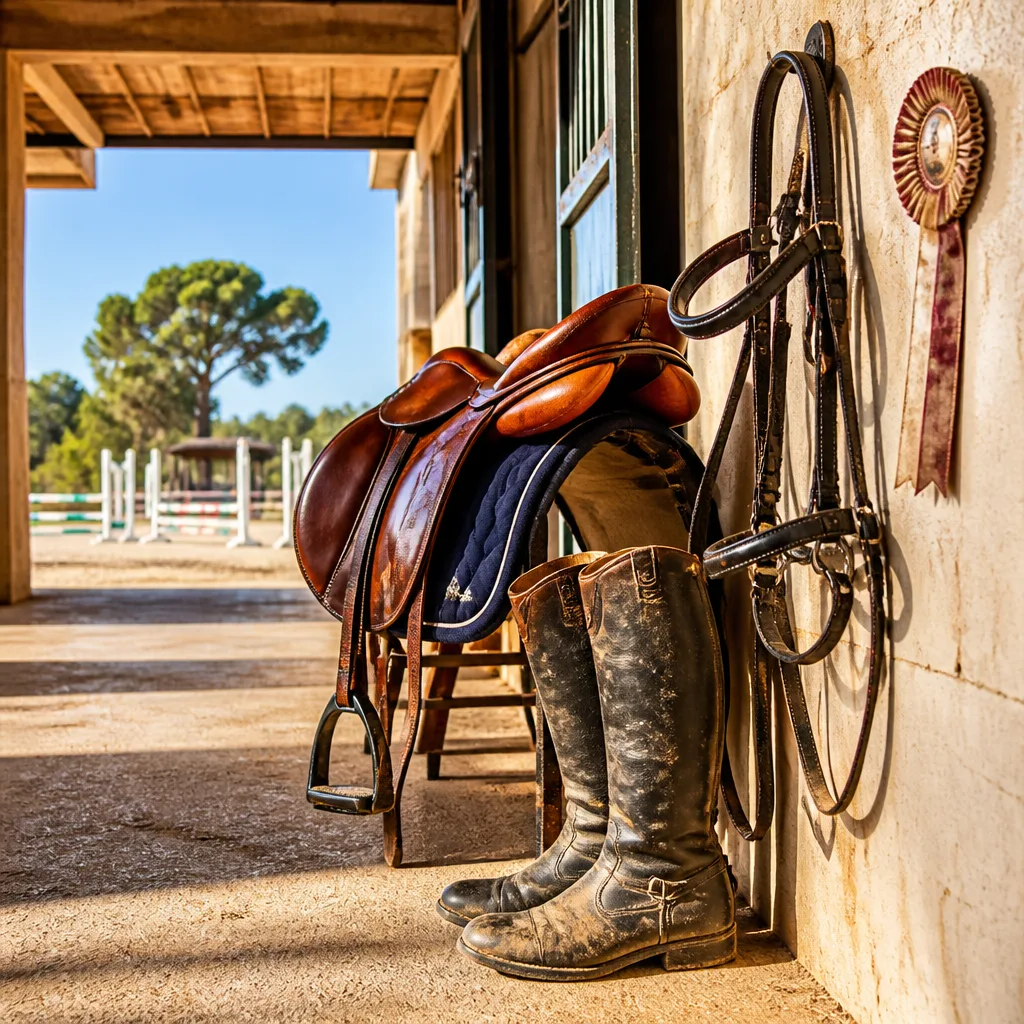
Enos Mafokate, the pioneering South African equestrian known as "Kgosi ya Dipere" (The King of Horses), has died, leaving behind a legacy that reshaped who belongs in a sport long restricted by race and access. Born on 15 February 1944 in Alexandra, Mafokate rose from groom to champion rider and became a symbol of possibility for generations excluded from horse sport during apartheid.
From groom to champion — and a door opener
Mafokate learnt to ride while working as a groom, beginning around 1962 under show jumper Lesley Taylor, according to the Fédération Equestre Internationale. He later worked with Tony Lewis and with Anneli and Errol Wucherpfennig. It was with the help of Errol Wucherpfennig that Mafokate became the first black rider to be registered with the Transvaal Horse Society — a milestone in a country where black people were usually confined to supporting roles around horses rather than competing on them.
Competition did not come easy. He was denied entry to some shows and faced hostility from fellow competitors and spectators when he placed or won classes. Yet he persisted, recording notable results that included finishing second in the Rothmans Derby in 1976, and winning championships at the Constantia Show Grounds in 1977 and 1978. Mafokate also notched victories at events such as the Sandton Derby.
"Mafokate's contribution is historic, transformative and deeply personal," said Professor Ian Sanne, president of the South African Equestrian Federation, describing the rider's role in challenging racial and social barriers in the sport.
International recognition and influence
A turning point came in 1980 when British show jumper David Broome saw Mafokate ride in a groom's class and questioned why he was not competing in the regular classes. Broome helped pave the way for Mafokate to travel to Britain to ride — a development that signalled international recognition of his talent and drew attention to the arbitrary limits placed on black riders at home.
Beyond his competitive record, Mafokate dedicated much of his life to creating opportunities for those who had been excluded. His family remembered him as a devoted husband, father, grandfather and great‑grandfather, and as a mentor who opened pathways into equestrianism for young people who, in earlier decades, would have found the sport inaccessible.
What he leaves behind
Mafokate's story is both sporting and social. It traces the stubbornness of an individual who refused to be confined to the margins, and it highlights the slow process of opening institutions and attitudes in a segregated sporting landscape. His life illustrates how access to resources, training and competition can be as decisive as talent.
As South African equestrian structures continue to confront the legacy of exclusion, Mafokate's example remains relevant: a reminder that transformation requires not only policy but also mentors, role models and tangible pathways into sport.
Key facts
- Born: 15 February 1944, Alexandra
- Early training: began riding c.1962 while working for Lesley Taylor
- Notable achievements: second in the Rothmans Derby (1976); champion at Constantia Show Grounds (1977, 1978); wins at Sandton Derby
- Legacy: first black rider registered with the Transvaal Horse Society; mentor and youth development advocate
| Year | Milestone |
|---|---|
| c.1962 | Started learning to ride while working as a groom |
| 1976 | Second place, Rothmans Derby |
| 1977–1978 | Championships at Constantia Show Grounds |
Mafokate's life will be measured not only in ribbons and placings but in the riders who followed because he opened the gate. In a sport where horses often carry the story, he carried a nation a little further toward inclusion.














