
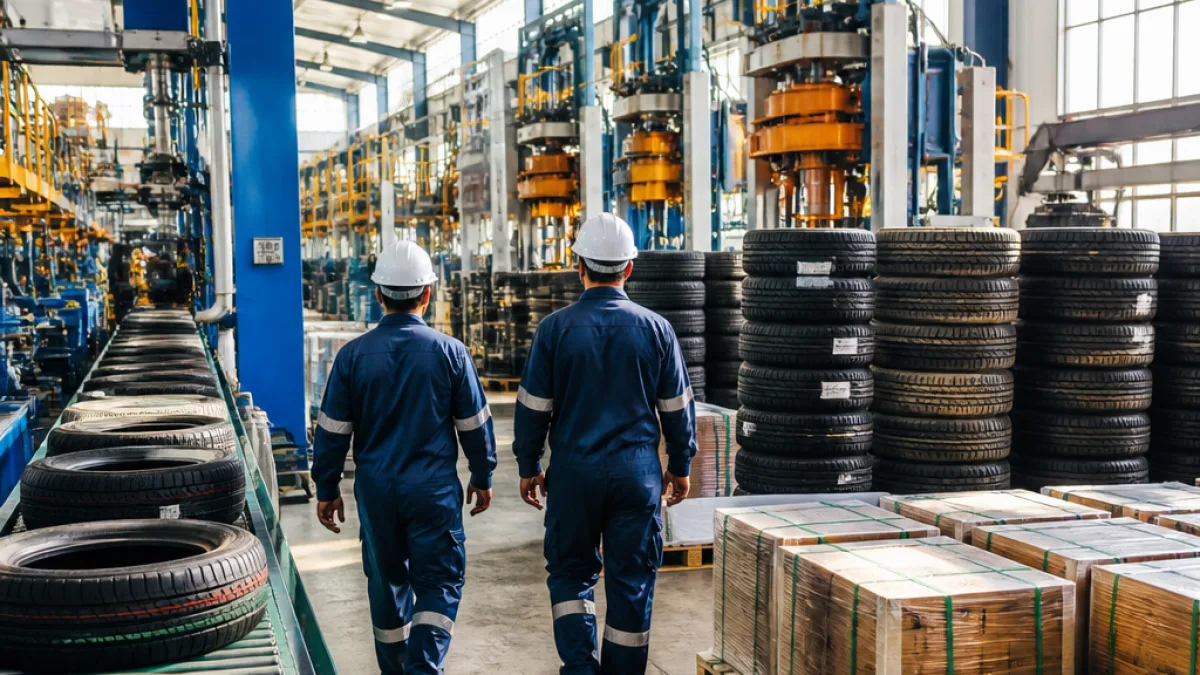
Dunlop Tyres South Africa has completed a R1.7 billion investment programme at its manufacturing plant in uMnambithi, Ladysmith, the company announced on Thursday. The three‑year project, backed by parent company Sumitomo Rubber Industries (SRI) of Japan, upgrades production capacity and brings new manufacturing technology to one of northern KwaZulu‑Natal’s long‑standing industrial operations.
What was installed and why it matters
The investment includes a new compound mixer, a tread line, a sidewall line and advanced curing equipment. According to Dunlop, the new machinery will improve product quality, boost manufacturing consistency and lift efficiency, aligning the facility with current international standards.
- New equipment: compound mixer, tread line, sidewall line, advanced curing technology.
- Product focus: passenger, SUV and light truck tyres for vehicle manufacturers and African markets.
- Market links: capability to supply original equipment (OE) partners including Toyota, Isuzu, Ford, Volkswagen and Nissan.
Company materials highlight that the upgraded lines will support production for leading vehicle models, with specific reference to applications such as the Toyota Land Cruiser. The enhancements are intended to strengthen Dunlop’s ability to supply both domestic and export markets from the Ladysmith site.
Parent company underlines long‑term commitment
“Dunlop is a brand that is built on a long history and deep trust, and it represents our mission to deliver safe, high‑quality tyres to customers around the globe,”
The comment came from Yasuaki Kuniyasu, President and CEO of Sumitomo Rubber Industries, who spoke at an event marking completion of the investment. Kuniyasu said the project demonstrates SRI’s continued confidence in South Africa as an investment destination and underlines the importance of the local automotive sector to the national economy.
Local and regional impact
The Ladysmith facility is one of the region’s more established manufacturing operations, and the upgrade is likely to have ripple effects across the local supply chain. Improved production technology typically reduces waste, raises product consistency and can shorten lead times — factors that matter to carmakers when sourcing tyres locally.
While Dunlop has not published specific job figures in its statement, capital investments of this scale generally aim to protect existing employment and position plants to meet future demand. For northern KwaZulu‑Natal, maintaining and modernising industrial capacity contributes to municipal and provincial efforts to sustain manufacturing jobs and attract further investment.
Timeline and scope
| Item | Detail |
|---|---|
| Investment value | R1.7 billion |
| Duration | Completed over three years |
| Key installations | Compound mixer, tread line, sidewall line, advanced curing technology |
| Markets | Passenger, SUV and light truck tyres for South Africa and African markets; OE supply |
Why manufacturers invest in local production
Automotive manufacturers and their suppliers weigh several factors when committing to local production: proximity to vehicle assembly lines, quality control, logistics costs and political‑economic stability. Dunlop’s statement framed the Ladysmith upgrade as part of a global strategy for SRI that recognises South Africa’s automotive industry as a key employer and contributor to the economy.
For local suppliers and contractors, higher technical standards at the tyre plant may create opportunities to supply more sophisticated components or services. For vehicle assemblers, improved local tyre quality and reliability can reduce import dependence and strengthen domestic content in finished vehicles.
What to watch next
- Whether Dunlop announces changes to production volumes or exports from the Ladysmith plant.
- Any formal statements from OE customers about extended supply agreements.
- Local procurement and employment data that would indicate broader economic benefits in uMnambithi and surrounding districts.
The completion of the R1.7 billion upgrade positions the Ladysmith facility to play a stronger role in South Africa’s automotive supply chain. As the plant moves from installation to steady production, officials and industry observers will be watching for tangible signs of increased output, employment stability and greater integration with vehicle manufacturers across the continent.













