
The Citrus Growers’ Association of Southern Africa (CGA) has revised down its 2026 export forecast after recent variety meetings, reducing the national estimate from 209.4 million to 205.3 million 15kg cartons.
Eastern Cape rains, floods contribute to lower volumes
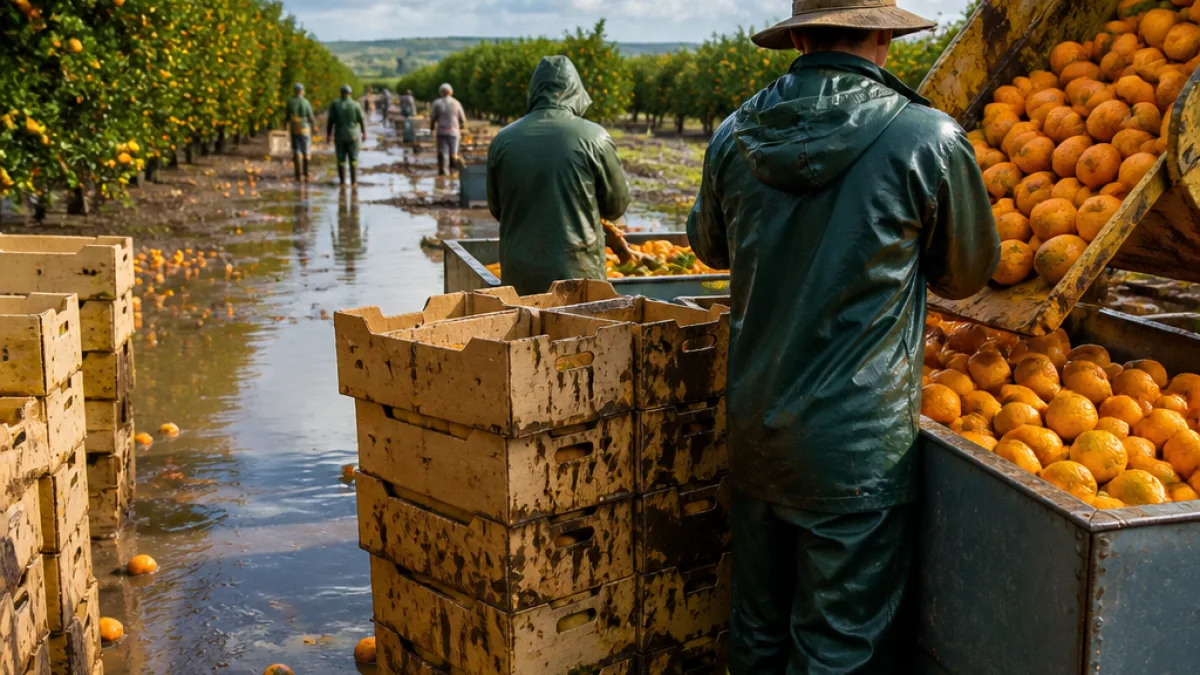
The adjustment reflects a mix of climatic and market factors, with several of the reductions linked to weather-related losses in the Western and Eastern Cape. In particular, the CGA said the navel orange estimate was scaled back by 4.6 million 15kg cartons, partly because increased rainfall in the Eastern Cape produced larger fruit sizes — a shift that can remove fruit from the export-grade size profile and divert volumes to processing.
Mandarins were also downgraded: the estimate for that category fell by 2.7 million 15kg cartons relative to the projection made before the season began. Grapefruit packing volumes were trimmed by 1.7 million 15kg cartons.
“The navel orange estimate has been lowered by 4.6 million 15kg cartons from the original estimate in March 2026. Larger navel orange fruit sizes have been reported in the Eastern Cape due to increased rainfall,” the CGA said.
Regional imbalances offset national yields
The CGA reported a mixed picture across production regions. Northern growing areas continued to deliver strong yields per hectare, but this has been offset by reduced harvests in the Eastern and Western Cape. The organisation noted that about 75% of the navel crop has already been packed, with fewer than 6 million cartons of late navels still to be processed.
Valencia orange volumes have seen only marginal changes in the latest update. The association added that orange-juice factories have taken increased volumes, and that Valencia packing activity was expected to reach peak levels over the following two to three weeks from the CGA’s report.
What this means for growers and processors
- Growers in wetter Cape regions face a margin squeeze where oversized fruit is less desirable for fresh export markets and more likely to be routed to processing at lower unit value.
- Processors are handling more fruit this season, which can help stabilise returns but also strains factory throughput and logistics.
- Exporters and ports must adjust handling plans as late navels and other late-season fruit volumes come through unevenly across regions.
Class 1 and Class 2 year-to-date packing volumes for some categories were reported to be below previous seasons, while fruit destined for processing factories has increased. The CGA highlighted that the grapefruit season in particular is drawing to a close in northern regions, with Oranje Rivier and KwaZulu-Natal areas also wrapping up packing.
Numbers at a glance
| Category | Original estimate (15kg cartons) | Revised change (15kg cartons) |
|---|---|---|
| Total exports | 209.4 million | 205.3 million (revised) |
| Mandarins | — | -2.7 million |
| Navel oranges | — | -4.6 million |
| Grapefruit | — | -1.7 million |
Local implications for the Eastern Cape
The Eastern Cape has experienced heavier rainfall in pockets of the production belt this season. While adequate water occasionally boosts yields, excessive rain during sizing can produce fewer export-grade cartons as fruit exceed targeted sizes or develop quality issues that reduce shelf life for long-distance markets.
For many Eastern Cape growers, the immediate concern will be farm-level margins and logistics to processors. Where factories can absorb additional fruit, processors will have to contend with higher throughputs and potential bottlenecks. For the broader economy, lower exportable volumes may affect port throughput and seasonal labour demand in packinghouses.
Outlook
The CGA indicated the season remains dynamic: late-season varieties — such as certain navels and late mandarins — will determine final volumes. Growers and exporters will be watching both the weather and international demand as packing continues.
As the citrus season progresses, growers in wetter districts will need careful post-harvest management to retain value, while industry stakeholders will monitor factory capacity and export logistics to limit further value loss.














