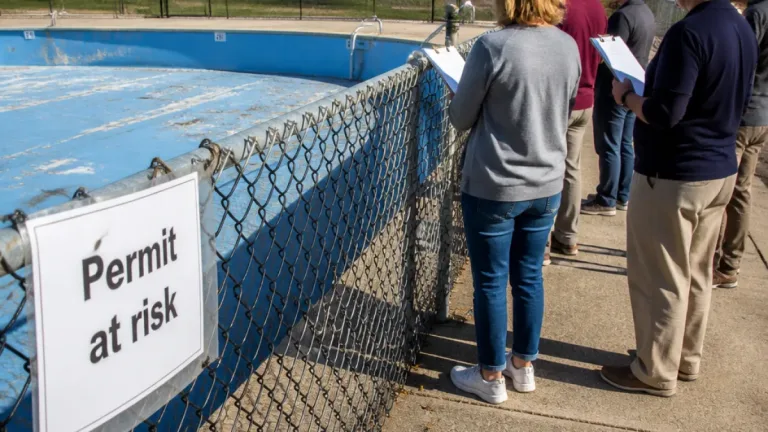

The city of Worcester has lifted a swimming advisory at Smith Pond Beach, also locally known as Cooks Pond, after bacteria test results showed water quality returned to acceptable levels.
Closure and testing timeline
City officials closed the semi-public swimming area on Aug. 5 after laboratory results indicated concentrations of E. coli exceeding the standards used to protect public health. The city’s Department of Inspectional Services and the Worcester Division of Public Health continued monitoring the pond and collected follow-up water samples over several days. On Aug. 12, those tests indicated bacteria levels no longer posed a public health threat, and the closure was lifted.
- Aug. 5 — Initial tests detected elevated E. coli; city closed the beach.
- Aug. 6–11 — Inspectional Services and public health officials collected and analyzed additional samples.
- Aug. 12 — Laboratory results met water quality standards; beach reopened.
What led to the closure
City materials note that E. coli occurs naturally in the digestive tracts of warm-blooded animals and can reach ponds from several sources. Among the pathways cited by officials are:
- waterfowl and other animal waste;
- stormwater runoff carrying contaminants into the pond;
- malfunctioning septic systems or leaking sewer connections that drain into stormwater lines.
"E. coli is found in the digestive tracts of warm-blooded animals, including geese, pets and humans."
The city emphasized that E. coli cannot be detected by sight, so laboratory analysis is required to assess whether water is safe for swimming. Officials also said elevated levels can fall back within acceptable ranges within several days of an initial closure, a pattern that was followed at Smith Pond this week.
Local implications and next steps
Smith Pond serves local residents who use the semi-public beach for swimming and seasonal recreation. The Department of Inspectional Services and the Division of Public Health performed the standard follow-up sampling and analyses before reopening to ensure the public was not exposed to elevated bacterial concentrations.
While the city did not announce additional long-term remedial actions in connection with this reopening, the incident highlights ongoing vulnerabilities for small urban ponds:
- Nonpoint runoff during heavy rains can quickly change water quality.
- Waterfowl concentrations near shorelines can elevate bacterial counts.
- Failing septic systems or improper stormwater connections can introduce contaminants into otherwise small, enclosed bodies of water.
Residents who use Smith Pond and other neighborhood ponds are reminded to watch for city postings and advisories and to avoid swimming if a closure is in effect. Because E. coli levels are not visible, the only reliable indicator of safety is official testing and public notice.
Officials' monitoring role
The Department of Inspectional Services will continue periodic monitoring of pond water quality as part of its public health responsibilities. The Worcester Division of Public Health maintains laboratory testing protocols and thresholds that determine when a swimming area must be closed and when it can be reopened.
| Department | Role in response |
|---|---|
| Department of Inspectional Services | Closed beach, collected follow-up samples |
| Worcester Division of Public Health | Oversaw laboratory testing and public health guidance |
For now, Smith Pond Beach is open, but city officials advise swimmers to heed future advisories and for homeowners near ponds to take steps — such as maintaining septic systems and limiting attractants for waterfowl — that can help protect local water quality.
WE NEWS will continue to monitor any further updates from city departments regarding additional testing, advisories or longer-term measures for protecting Worcester’s pond and beach water quality.