
Higher borrowing costs come at bad time for Boston housing
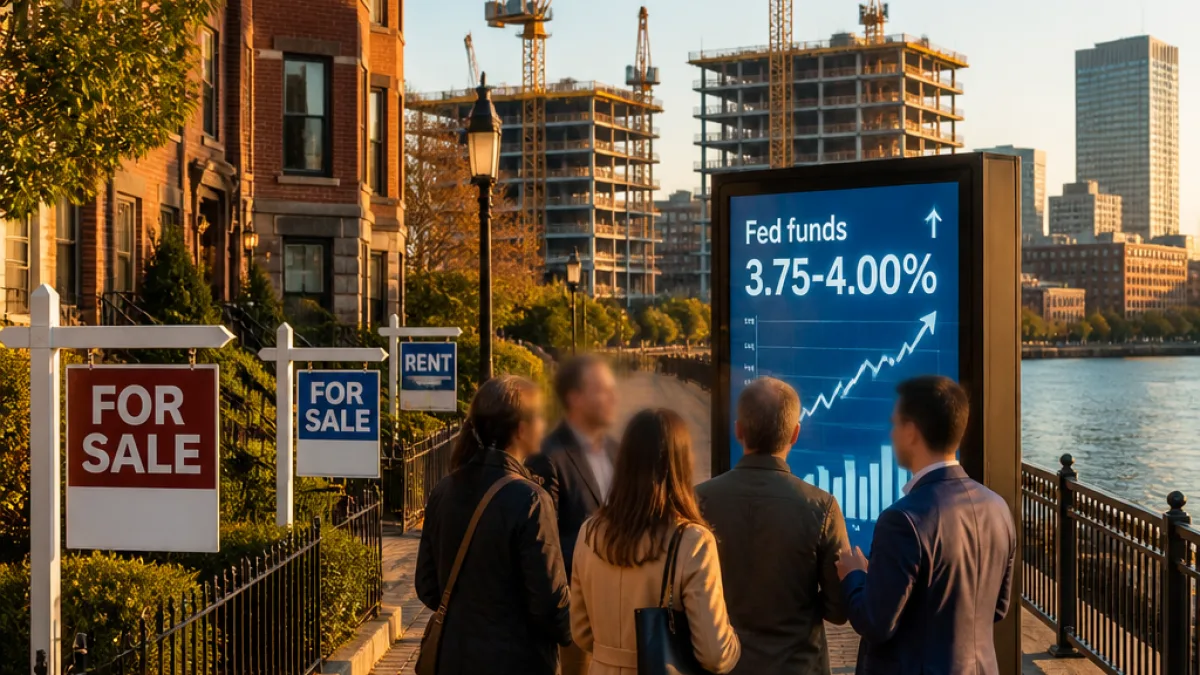
The Federal Reserve’s decision this week to raise its policy rate by a quarter-point is poised to make Boston’s housing shortage harder to fix, local economists and developers warn. The central bank’s move set the federal funds range at 3.75 to 4 percent, reinforcing a focus on fighting inflation even as the region struggles with limited homebuilding and tight rental markets.
Fed Chair Kevin Warsh emphasized the priority:
"The plain fact is that inflation is too high and has been for too long."Warsh’s remarks underline a shift away from the easy-money policies of recent years and toward a longer period of elevated rates, a change that will ripple through mortgage markets and construction finance in Boston.
Boston-area housing production was already described as sluggish heading into this week. Higher short-term rates generally translate into higher long-term borrowing costs for homebuyers and for builders seeking construction loans, which can slow projects and raise costs for new units.
What the Fed signaled and what markets expect
The central bank’s policy statement and projections offered limited forward guidance. Warsh has moved away from the detailed forward guidance used by some predecessors, preferring to leave rate expectations more to market interpretation based on incoming data.
Nevertheless, the Fed’s median forecast from the Federal Open Market Committee indicated one more rate increase this year and no hikes in 2027. Market traders, by contrast, price in additional tightening: futures show investors expect several more increases that would push the federal funds rate toward the 4.5 to 4.75 percent range by mid‑next year.
| Measure | Projection / Current |
|---|---|
| Federal funds rate (current range) | 3.75–4.00% |
| Fed median projection | One more hike this year; flat in 2027 |
| Market-implied path | About 4.5–4.75% by mid‑next year |
| Fed view on inflation timing | 2% target not expected until 2029 |
Local consequences for buyers, renters and builders
For Boston residents already coping with limited supply and high prices, the ramifications are immediate and practical:
- Mortgages: Higher policy rates generally push mortgage rates up, increasing monthly payments and reducing affordability for prospective buyers.
- Construction finance: Developers face pricier loans for new projects, which can delay starts or make some plans unprofitable, slowing the rate of new housing units entering the market.
- Rents: With slower production and fewer homes for sale, rental demand may stay strong, keeping upward pressure on rents.
Last year, the Fed under then-Chair Jerome Powell cut rates three times to support the labor market. The pivot under the current leadership is stark; officials cited persistent price pressures — including higher fuel and fertilizer costs — as reasons for keeping policy tighter until inflation shows clearer progress to the 2 percent goal.
Outlook and what to watch locally
How many more federal funds increases arrive, and how long rates remain elevated, will matter to Boston’s housing outlook. Municipal leaders, developers and housing advocates will be watching several indicators closely:
- Mortgage-rate movements and the availability of long-term fixed financing.
- Construction starts and permits across Boston and surrounding suburbs.
- Local rent trends and vacancy rates that signal pressure on the market.
City officials and housing providers say policy choices at the Fed can’t be the only lever to mend Boston’s affordability crisis. Local zoning reform, production incentives and public financing tools remain central to any effort to increase supply. But with borrowing costs on an upward path, the near-term outlook for accelerating housing production faces a tougher road.
As Boston navigates the policy shift, residents should expect higher financing costs to influence decisions from single-family purchases to large-scale developments, feeding into affordability discussions that already dominate local planning agendas.
















