
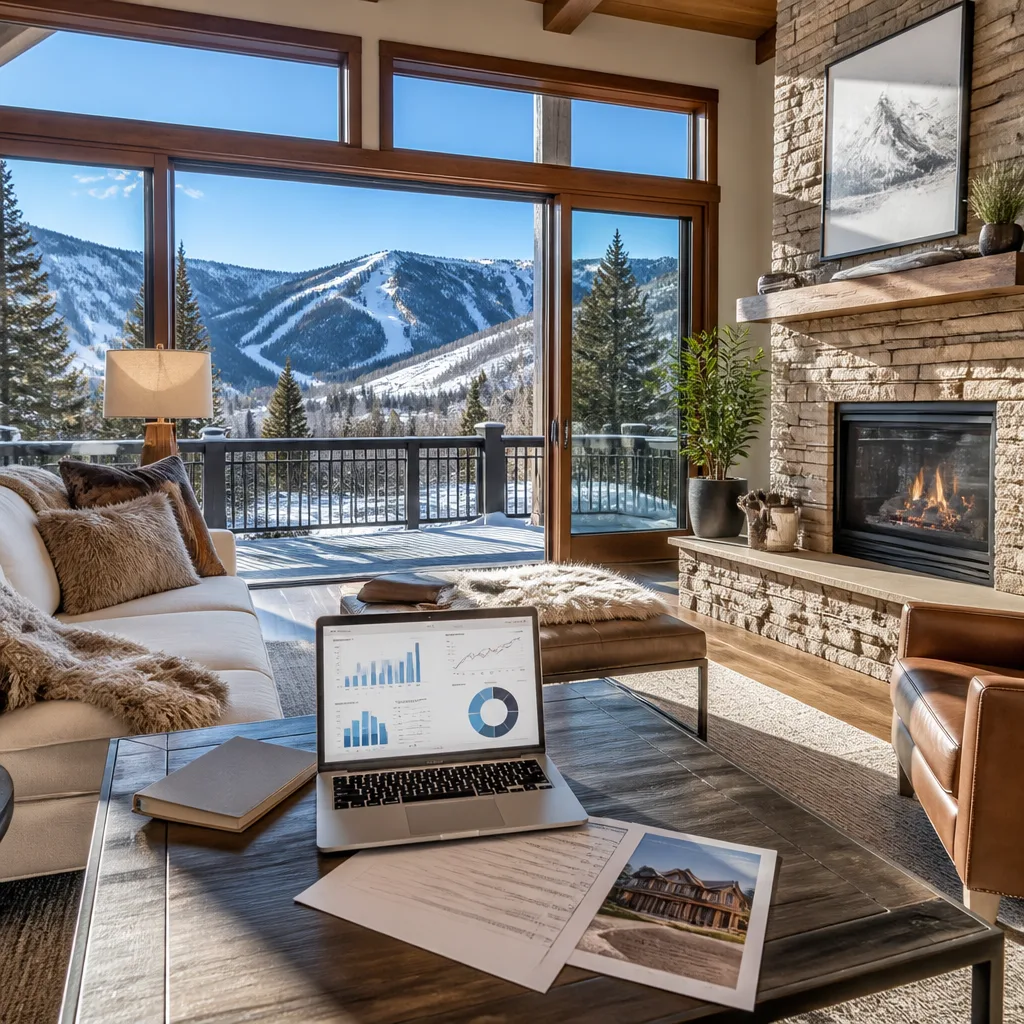
Aspen sellers face a stark reality: superficially similar homes can have very different market outcomes. Brokers and buyers point to a cluster of practical factors — led by price, presentation, condition and timing — but the deciding element increasingly is whether a property aligns with a buyer’s notion of the Aspen lifestyle.
Price and first impressions set the tone
Even in high-end resort markets, buyers expect value. Today’s luxury purchasers are unusually well informed: before engaging a broker many have already reviewed recent sales, neighborhood trends, tax records and property histories online. Increasingly, they also use AI-powered tools to compare listings and form preliminary judgments about worth.
A listing that is priced to reflect perceived value tends to generate momentum — more inquiries, more showings and, in some cases, multiple offers. Conversely, an asking price that feels aggressive can suppress interest and leave a home on the market. Once a property becomes stale, potential buyers may assume the absence of offers signals deeper problems, creating an additional headwind to a sale.
Presentation, condition and simple fixes matter
For many prospective buyers, the first visit is digital. High-quality photography, video tours and floor plans now shoulder much of the initial selling work. When a buyer advances to an in-person showing, lighting, landscaping, maintenance and furnishings factor into the assessment.
Sometimes modest, targeted improvements can shift perceptions. Realtors report that fresh paint, updated furnishings, decluttering or professional staging can change how a buyer reacts to a space. The National Association of Realtors has found that staging helps buyers visualize living in a property and can increase interest, reinforcing the value of investment in presentation.
- Price: Accurate, competitive pricing draws initial buyer attention.
- Presentation: Photography, video and staging frame the story before a showing.
- Condition: Visible upkeep — landscaping, lighting, maintenance — affects offers.
- Timing and fit: How a property matches a buyer’s lifestyle expectations is often decisive.
Buyer research and the role of technology
The modern luxury buyer frequently conducts detailed homework online. Public records and market reports are standard; what’s newer is the increasing reliance on algorithmic comparisons and AI tools to benchmark properties. That means sellers have less room for error in initial pricing and marketing because buyers arrive with sophisticated baseline expectations.
In Aspen’s market, where lifestyle attributes — proximity to town, views, access to outdoor activities — are part of the product, digital presentation must convey more than square footage and room counts. Listings that tell a coherent lifestyle story tend to attract more qualified, motivated buyers.
| Factor | How it influences sale |
|---|---|
| Price | Sets buyer expectations; correct pricing can spur interest and multiple offers |
| Presentation | Digital and physical staging shapes initial impressions and buyer imagination |
| Condition | Visible upkeep reassures buyers; deferred maintenance can deter offers |
| Fit/lifestyle | Buyers evaluate whether the property supports the Aspen lifestyle they want |
For sellers in Aspen — and by extension other luxury resort markets — the implication is clear: detailed, honest marketing combined with targeted improvements increases the odds a listing sells quickly. Conversely, gaps between online presentation and on-site condition, or misaligned pricing, lengthen time on market.
As technology changes how buyers evaluate homes, agents say the fundamentals remain: know the buyer profile for the property, price it to competitive standards and ensure the listing tells the lifestyle story buyers are shopping for. In a market where many decisions are made before the first physical visit, the digital first impression can determine whether a home becomes a fast sale or a lingering listing.
















