In-N-Out Burger maintains its cachet not by chasing trends but by holding tight to a concise menu, strict operational control and a supply chain focused on freshness — a formula that has kept the chain in high demand as it expands cautiously across the country.
Consistency as a growth strategy
Industry observers say the Southern California–born chain’s reluctance to change is central to its appeal. While many national competitors regularly roll out new items, promotions and franchising models, In-N-Out has largely preserved its core offering: burgers and fries prepared to a narrowly defined standard.
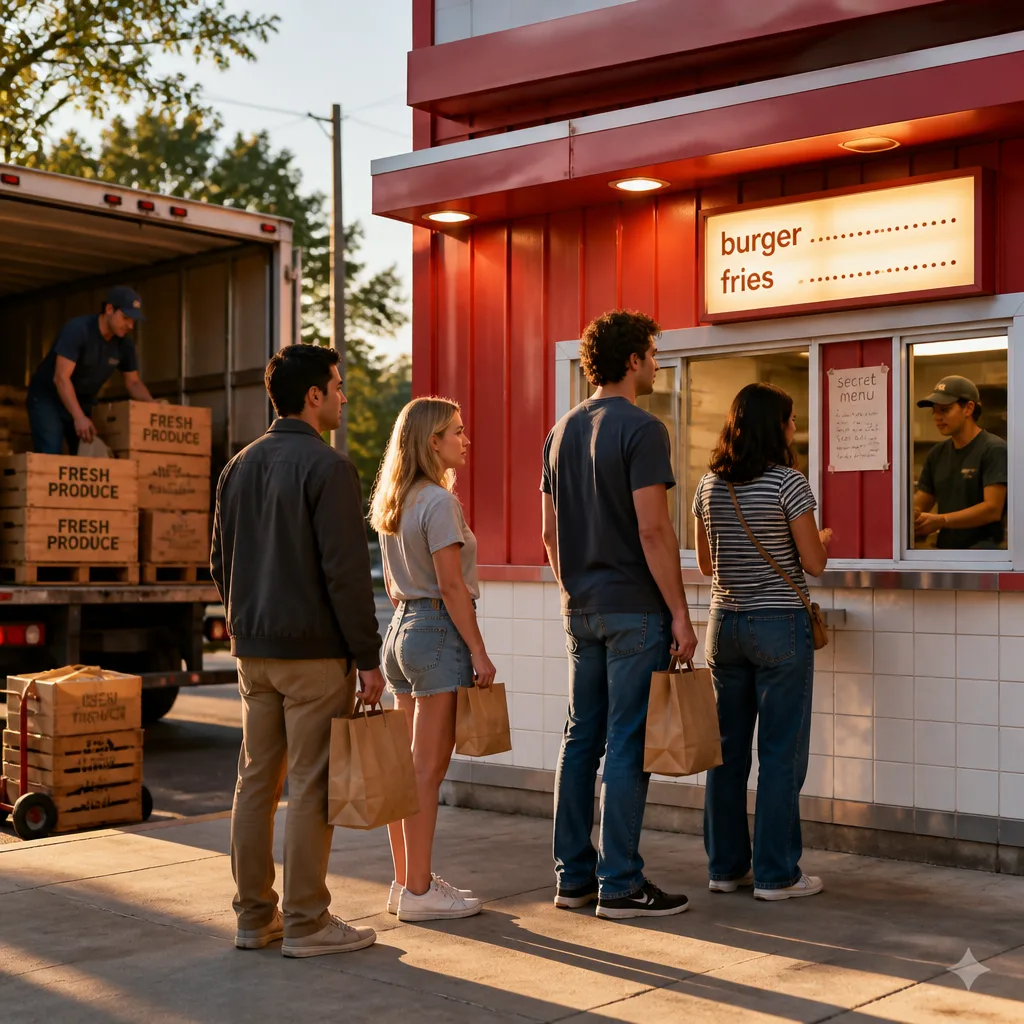
Jonathan Maze, editor in chief of Restaurant Business, noted that the chain has developed a culture around items that are not overtly advertised — a dynamic commonly referred to as a “secret menu.”
"Some of its most popular items aren’t even on the written menu,"
That mix of visible restraint and hidden variety feeds the brand’s mystique and fosters customer loyalty, according to analysts familiar with quick-service restaurant trends.
Control over operations and quality
One distinguishing operational choice is the company’s decision not to franchise. By keeping ownership and management centralized, the chain retains tighter oversight over food preparation, staffing and service standards. Observers say that control helps preserve the dining experience consumers expect when they walk into an In-N-Out location.
The company also places a premium on perishable ingredients. Fresh beef, promptly prepared produce and a deliberately limited and regional supply network are all part of a system designed to prioritize quality over scale.
- Small, focused menu: Core items remain burgers and fries, supplemented by off-menu variations.
- Company-owned stores: No franchising, enabling uniform standards.
- Fresh supply chain: Emphasis on fresh beef and produce restricts expansion distance.
Trade-offs: scarcity supports desirability
The constraints the company accepts — slower geographic growth and a capped supply pipeline — appear to be intentional strategic choices rather than limitations. Analysts argue those constraints create a sense of scarcity that increases consumer excitement whenever the chain opens in a new market, often attracting long lines and heightened publicity.
That slow-roll expansion stands in stark contrast to nationwide chains that prioritize footprint growth through franchising and lower-cost distribution. For In-N-Out, limiting how far stores are from distribution points is part of delivering the product profile that made it famous.
Industry implications and future prospects
In a marketplace where innovation frequently equates to new menu launches or aggressive franchising, In-N-Out offers an alternative playbook: protect the product, control the customer experience and let demand build organically. Whether that model can be sustained indefinitely depends on the company’s ability to maintain its supply network as it enters new regions and to recruit and train staff capable of meeting its standards.
For consumers, the strategy delivers predictability — the same items, prepared the same way — with the added allure of occasional off-menu discoveries. For competitors, it serves as a reminder that growth and brand strength can also be achieved by restraint and strict quality control.
| Characteristic | In-N-Out Approach |
|---|---|
| Menu size | Very small; core items with unlisted variations |
| Franchising | Does not franchise |
| Supply chain | Fresh-focused, regionally limited |
As In-N-Out continues to expand selectively, its approach will likely remain a talking point among consumers and industry watchers. For now, the chain’s insistence on doing fewer things — and doing them consistently well — is what keeps customers coming back.