
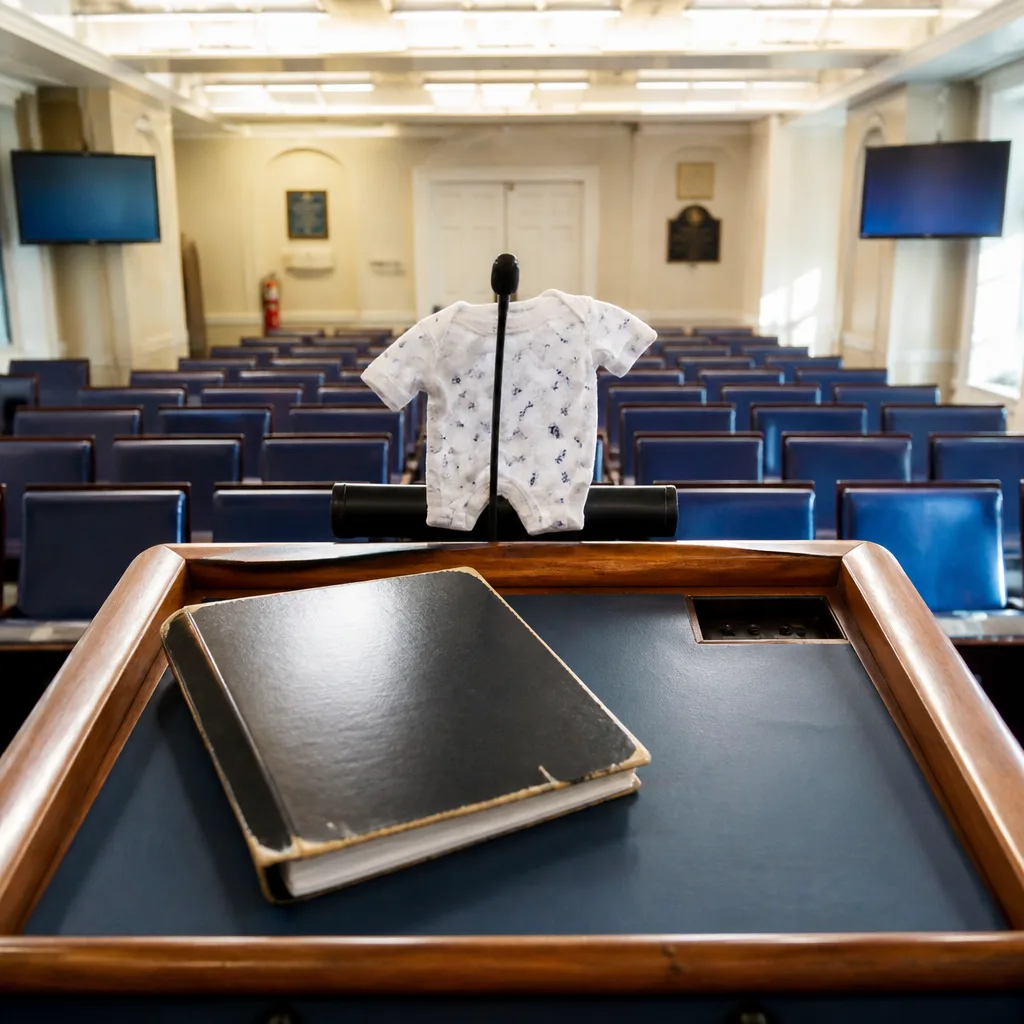
The White House announced Wednesday that Karoline Leavitt will step down as press secretary, a move the administration framed as a family decision but that also marks the loss of a prominent and combative voice in the president’s communications operation.
Departure driven by family, with advisory role retained
Leavitt, 28, said she decided to leave the high-paced job after the birth of her second child on May 1, writing on social media that she realized she could not be the mother her children deserve while also giving the “constant time, energy, and attention” the role requires. The White House said she would continue to serve the president as an outside adviser.
“she’d realized she couldn’t be the mom her kids deserve while devoting the ‘constant time, energy, and attention,’ her job requires.”
The president — who has repeatedly praised Leavitt — called her one of his “most trusted aides”, according to the White House statement. Her continued advisory role reflects both her close relationship with the president and the administration’s interest in preserving institutional memory and messaging capabilities.
Operational and political consequences
Leavitt’s exit is being viewed inside and outside Washington as more than a routine personnel move. Her supporters say she has been a key operative in shaping and defending the administration’s interactions with the press and in helping to manage the president’s public posture. Critics highlight her confrontational approach to journalists.
Several themes about her tenure were emphasized by analysts and reporters who have followed the administration’s operations closely:
- Communication style: Leavitt’s term was marked by an aggressive posture toward the press corps and frequent use of social media to counter coverage.
- Institutional approach: She played a prominent part in the administration’s efforts to challenge traditional Washington accountability mechanisms, according to observers.
- Durability with the president: Despite the volatility of the position, the president elevated her status by retaining her in an advisory capacity.
Her manner and tactics represented a departure from the more conventional expectations of the press secretary’s office, reflecting a broader shift in White House communications strategy in the era of rapid social-media-driven news cycles.
What the change means going forward
While the announcement does not immediately create a vacuum — Leavitt will remain an adviser — it does raise questions about who will assume daily responsibility for managing relations with reporters and coordinating the message across the administration. The press secretary role requires constant engagement with journalists, rapid rebuttals and frequent briefings; losing a person who understood both the president’s instincts and the operation’s tactical impulses will shape how the White House responds to breaking news and controversy.
The president’s reliance on aides who can both anticipate his moves and enforce a combative approach to press coverage means that the search for a successor could emphasize those qualities. At the same time, the announcement underscores the personal toll the job exacts on those in the White House communications shop.
| Event | Date |
|---|---|
| Birth of Leavitt’s second child | May 1 |
| Resignation announced | Wednesday (announcement day) |
| Future role | Continue as outside adviser |
The administration framed the change as both a personal decision and a retained asset for the president. How the White House fills the immediate day-to-day duties and whether the advisory role will preserve Leavitt’s influence on message strategy remain central questions for journalists and political operatives watching the communications operation.