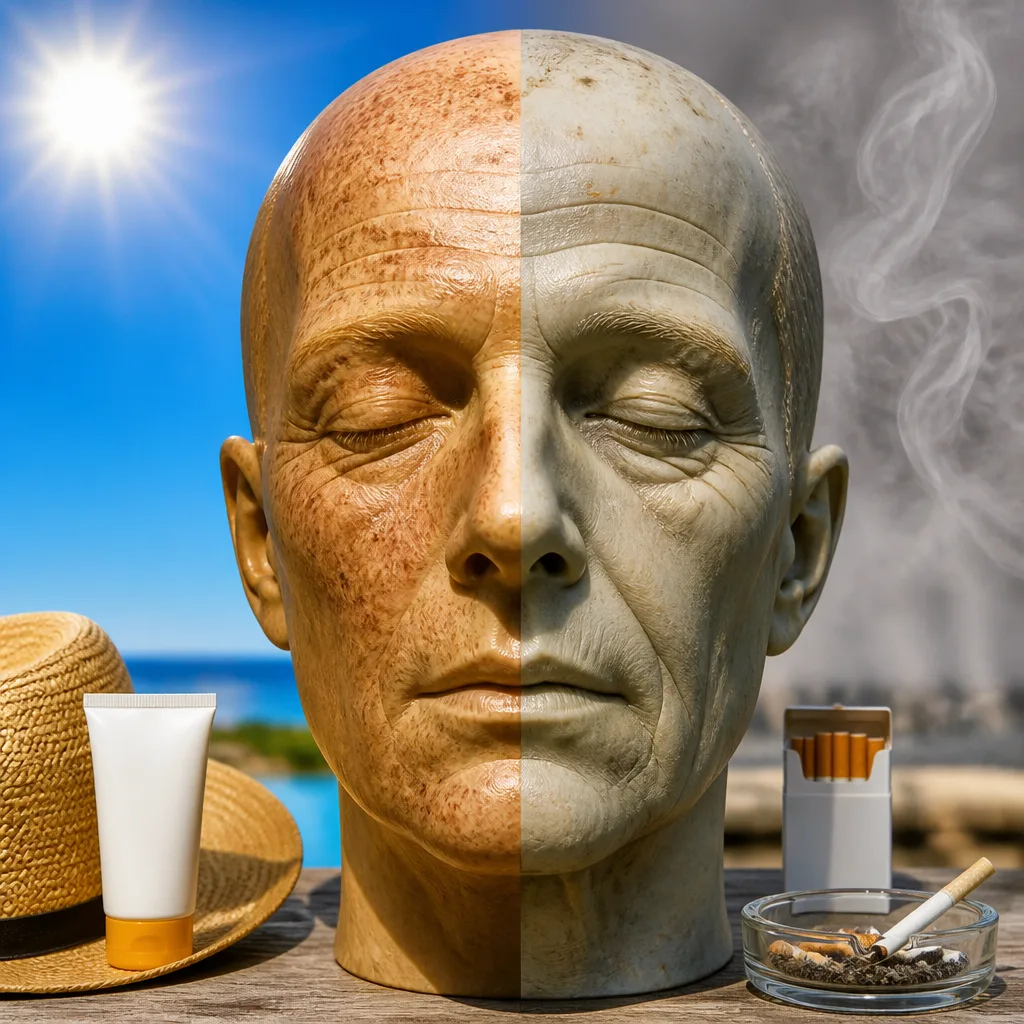
Sun exposure and smoking each speed up the skin's ageing process, but they operate through different biological pathways and cause different patterns of damage, according to Dr. Sunil Kumar Prabhu, a consultant dermatologist and aesthetic physician at Aster RV Hospital.
How ultraviolet radiation accelerates ageing
Ultraviolet (UV) radiation from the sun is identified as a primary environmental driver of premature skin ageing. UV rays penetrate skin layers and impair the structural proteins that maintain firmness and elasticity. When those fibers break down, the skin’s capacity to rebuild and retain its youthful architecture diminishes.
Chronic unprotected sun exposure produces a range of long-term changes: deeper lines and sagging, roughened texture, uneven tone and increased pigmentation. UV-triggered inflammation and oxidative stress further accelerate the cellular processes associated with ageing, and because sunlight reaches broad areas of the body, its effects tend to be widespread and persistent.
Smoking’s subtler but serious role
Tobacco use contributes to premature ageing through circulation and metabolic effects rather than direct structural breakdown. Smoking restricts blood flow to the skin, reducing delivery of oxygen and nutrients essential for repair and maintenance. That environment increases oxidative stress, dries the skin and slows collagen production and wound healing.
Dr. Prabhu noted the visible consequences vary by intensity and duration of smoking: heavy, regular smokers often develop deeper facial wrinkles, a grayish skin tone and noticeable loss of firmness, while even occasional smokers accrue premature ageing over time because oxidative damage accumulates.
“Both sun and smoking harm the skin, but in different ways,”
Where the damage appears and how it adds up
Sun damage typically affects larger stretches of exposed skin and can penetrate to deeper layers, producing structural changes that are difficult to reverse. Smoking tends to concentrate its effects on the face, where reduced circulation and repeated muscle movements around the mouth further amplify lines and loss of tone. When combined, the two behaviors compound one another: smoking can intensify visible signs already set in motion by UV exposure.
For readers weighing relative risk, the key point is that neither factor is harmless. Both contribute to the same endpoint—premature ageing—even though the mechanisms and patterns differ.
- Sun exposure: damages collagen and elastin, causes inflammation and pigmentation, affects broad areas.
- Smoking: limits circulation, raises oxidative stress, slows repair, distinct facial effects but accumulative harm even in occasional smokers.
- Together: effects can be additive, with smoking worsening sun-induced signs.
| Factor | Main biological effect | Typical visible result |
|---|---|---|
| Sun (UV) | Breakdown of collagen and elastin; inflammation | Wrinkles, sagging, uneven tone, pigmentation across exposed areas |
| Smoking | Reduced circulation; increased oxidative stress; slowed collagen formation | Deeper facial lines, dull/grayish tone, loss of firmness |
Dermatologists and public-health experts frequently emphasize prevention because many effects are cumulative and long-lasting. Measures such as consistent use of broad-spectrum sunscreen, sun-protective clothing, and avoiding tobacco can decrease the pace at which these ageing processes advance.
Understanding how each behavior undermines skin health may help individuals prioritize protective habits. While the sun tends to inflict more extensive and deeper structural damage, smoking’s circulatory and oxidative impacts are no less significant—and both deserve attention in any strategy to maintain skin health over time.