Spokane fire raises alarm for Montana homeowners
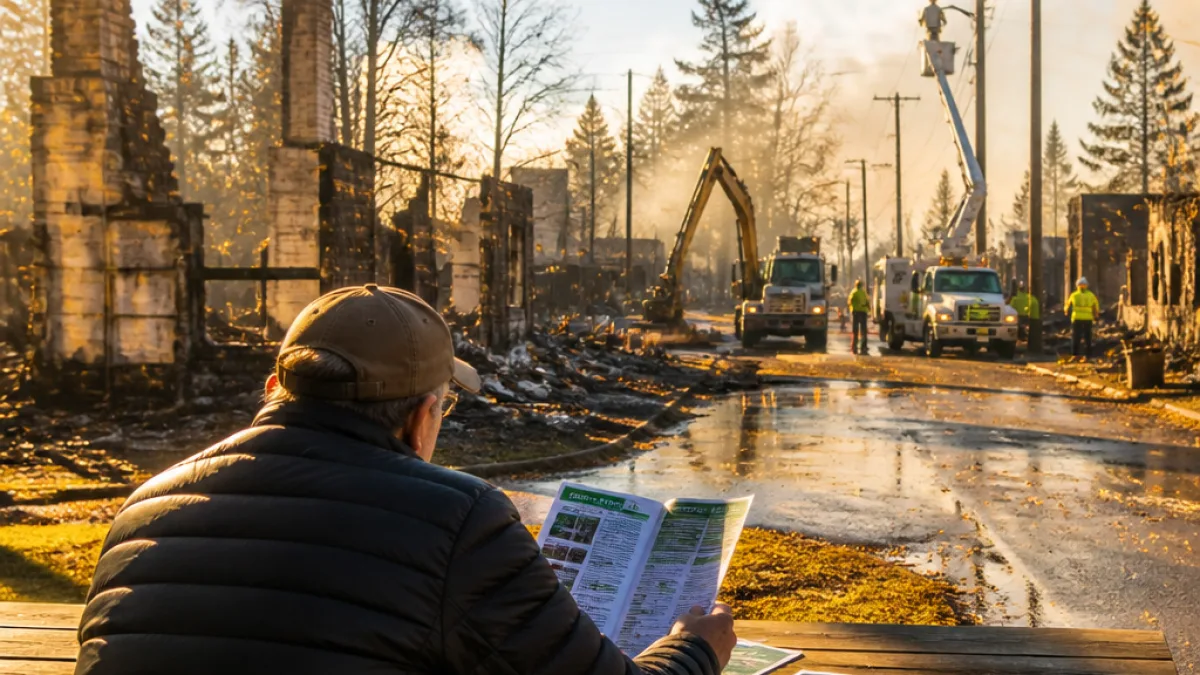
ALBERTON — The devastation from recent fires in Spokane has Montana officials and wildfire professionals urging residents to take concrete, immediate steps to reduce property risk and to reassess insurance coverage.
“They have been told for 100 years that they don’t really need to do anything because firemen will put the fires out,” Tim Laroche, wildfire mitigation program manager for Missoula County, said. “Now, they’re starting to come to terms with the reality that that can’t happen all the time.”
The Spokane wildfire complex destroyed more than 900 structures, a level of loss that has prompted renewed interest among Montanans in home hardening and insurance options. Officials say the region’s fire season has lengthened and intensified, and that destructive blazes are increasingly affecting suburban and urban areas.
Insurance market responding to growing wildfire exposure
State officials say the insurance market is already shifting in response. James Brown, Montana commissioner of securities and insurance, noted rising policy nonrenewals and sharply higher premiums in some counties.
According to a recent analysis from the National Association of Insurance Commissioners highlighted by Brown, average homeowner premiums in the western region rose 74% from 2018 to 2024 — or about 44% after adjusting for inflation. Brown said homeowners in Ravalli and Flathead counties are seeing especially high rates of nonrenewal due to perceived wildfire risk.
| Measure | Change |
|---|---|
| Average homeowner premium (2018–2024) | +74% |
| Average premium (inflation‑adjusted) | +44% |
Small actions can make a difference
Fire professionals emphasize that many of the most destructive losses are caused by embers, not direct flame contact. A Missoula County site cited by officials estimates embers are responsible for about 90% of structures lost in wildfires.
At a recent gathering in Alberton, mitigation experts offered practical, low‑cost steps property owners can take to reduce vulnerability. Recommendations included:
- Clean gutters regularly to remove leaves and debris that can ignite.
- Install mesh screens over attic and foundation vents to block embers.
- Avoid planting flammable vegetation such as junipers close to the house.
- Create and maintain defensible space around structures by pruning and removing excess fuels.
- Consider using fire‑resistant roofing and siding materials when repairing or replacing components.
Preparing beyond the home
Officials urged homeowners also to review their insurance policies and talk with their agents about coverage limits, wildfire exclusions and potential nonrenewal risks. The combination of increasing wildfire risk and rising premiums has made insurance planning a higher priority for many county residents.
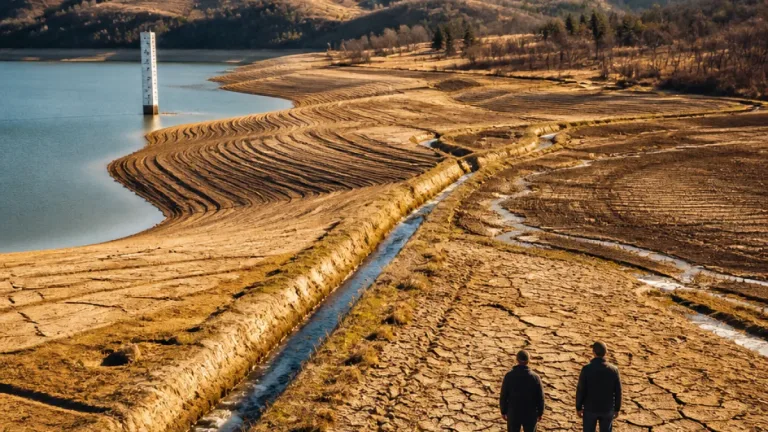
“We need to respond to the fact that Montana is becoming drier and conditions are becoming more ripe for wildfire loss,” James Brown said.
Local emergency managers also stressed that a cultural shift is underway: where residents once assumed firefighters would always protect structures, there is growing acceptance that personal preparedness and property mitigation are vital.
The recent Spokane losses have provided a vivid example for Montanans of how quickly a fire can move into populated areas. State and county officials say continued outreach, incentives for mitigation, and clear information for homeowners about insurance options will be central to reducing future losses.
For Montanans wanting to act now, county fire and emergency management offices are the first point of contact for guidance on defensible space, home hardening, and local mitigation programs. Insurance commissioners’ offices can help residents understand policy details and find available consumer resources.
As wildfire patterns change across the West, officials say individual preparedness — from gutters to garden choices to insurance planning — will determine whether homes survive the next big blaze.