BOISE — Idaho is confronting what federal and state officials describe as one of its most severe drought conditions in recent memory after a winter and spring that failed to rebuild the state’s critical snowpack.
Snow shortage ripples through summer water supplies
By the end of December, the Boise-area Bogus Basin reported roughly two feet of natural snowfall, a shortfall that forced the ski area to increase artificial snowmaking by 120% from the previous season and contributed to an early closure of many runs. That local example reflects a broader problem: much of Idaho received high temperatures instead of the cold, snowy winter the state relies on.
Meteorologist Jay Breidenbach of the National Oceanic and Atmospheric Administration’s National Weather Service told the Idaho Statesman the shortfall in snow has translated into “extremely low water supply” and that conditions are "close to some of the worst drought that we’ve ever seen in the state."
In a typical year, deep mountain snowpack slowly melts in spring and summer and feeds rivers, streams and reservoirs. That gradual release of water is the backbone of Idaho’s surface-water supply for irrigation, some municipal needs and hydropower generation. When snowpack is insufficient, those systems feel the effects almost immediately.
Who will feel the impact
State hydrologist David Hoekema, chair of the Idaho Water Supply Committee, noted that irrigators are the primary users affected because of the large volumes of water they draw. Many Treasure Valley homeowners who rely on irrigation systems for lawns and landscaping also fall into that category.
Hoekema cautioned that drinking water for larger cities such as Boise typically comes from deep aquifers and is not affected as quickly as surface-water supplies, but surface shortages can still create downstream consequences for agriculture and power generation.
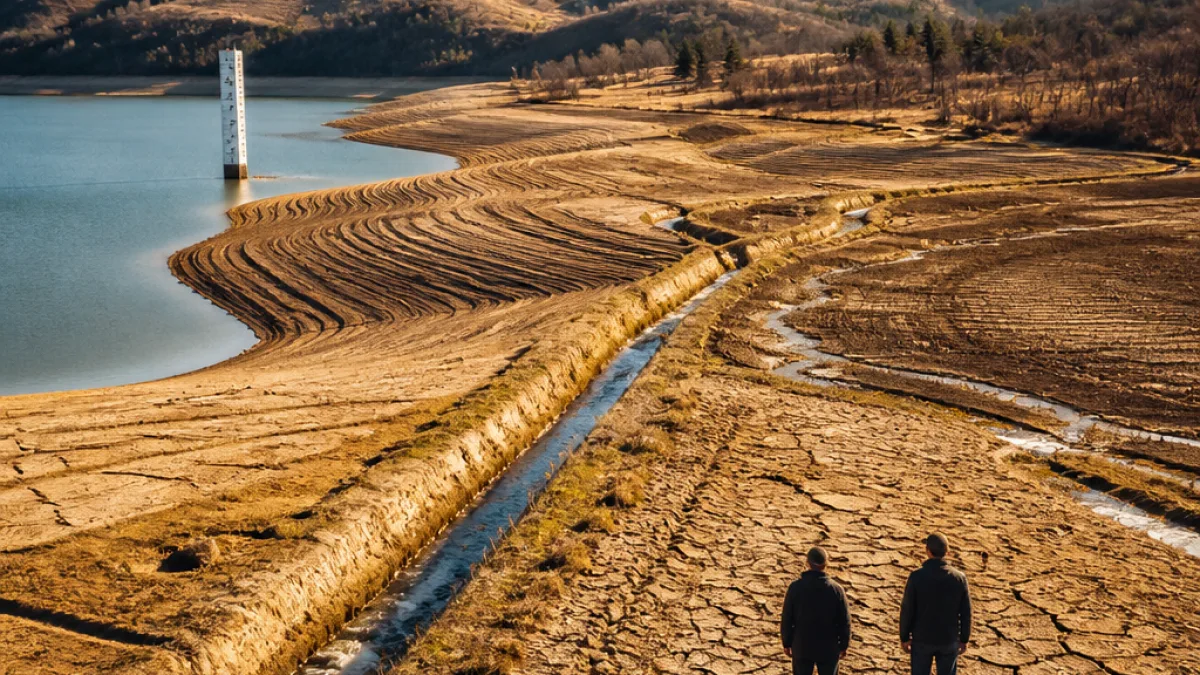
Rob Van Kirk of the Henrys Fork Foundation, based in Ashton, said eastern Idaho reservoirs are “the lowest they’ve ever been” and that additional cutbacks in water use are likely as managers try to stretch dwindling supplies.
"It's close to some of the worst drought that we've ever seen in the state,"
— Jay Breidenbach, NOAA/NWS meteorologist
Practical impacts and choices ahead
Officials are already discussing and, in some areas, implementing cutbacks and conservation measures to preserve remaining water for critical uses. Potential effects include reduced irrigation deliveries, less water available for hydropower generation and tighter reservoir management to prioritize essential needs.
- Irrigation: Farmers and irrigators may face mandatory or voluntary cutbacks.
- Hydropower: Lower reservoir levels could reduce generation capacity, affecting regional electricity supplies and revenues dependent on hydro.
- Municipal supply: Major cities with deep aquifers are less immediately vulnerable, but long-term surface-water shortages can create pressure on overall system operations.
Water managers and state agencies continue to monitor conditions through the Idaho Water Supply Committee, which aggregates hydrologic data and coordinates response among multiple agencies.
| Observed condition | Likely near-term effect |
|---|---|
| Low mountain snowpack | Reduced spring-summer runoff into rivers and reservoirs |
| Record-low eastern Idaho reservoirs (as reported) | Projected cutbacks in water deliveries for irrigation |
| Increased artificial snowmaking at Bogus Basin | Higher operational costs for recreation operators; shorter ski seasons |
What residents should know
Water users should prepare for conservation directives and pay attention to local water district notices. Irrigators in particular should review water rights, expected delivery schedules and any announcements from irrigation districts. Urban residents can consider voluntary curtailment of nonessential outdoor water use to reduce strain on delivery systems.
State and federal agencies will continue publishing updated hydrologic outlooks and reservoir status reports through the fall and into next spring. Officials say those data will guide decisions on water allocations and any emergency measures.
The coming months will be critical in determining whether the current situation stabilizes or deteriorates further. For now, the combination of scant snow, warm temperatures and dwindling reservoir levels has placed Idaho in a drought position that merits close attention from residents, farmers and policymakers alike.
— Bethany Lund, State Correspondent