
Authorities in Idaho say they have posthumously identified a man found dead in a Boise-area church more than four decades ago and believe he could be tied to the unsolved 1982 cyanide poisonings that killed seven people and prompted a nationwide Tylenol recall.
Cold case reopened, identity confirmed
Detective Tim Cooper of the Ada County Sheriff’s Office reopened the investigation in 2019. Through photo comparisons and DNA testing, investigators have concluded the man buried anonymously was Dr. Mathew Francis Betkouski, who died by cyanide more than 40 years ago.
Once detectives had a name, they probed Betkouski’s background and movements and found details that prompted them to consider whether he could be associated with the 1982 Chicago-area poisonings of over-the-counter acetaminophen capsules. Those deaths remain an open cold case in Chicago.
What investigators found and why it matters
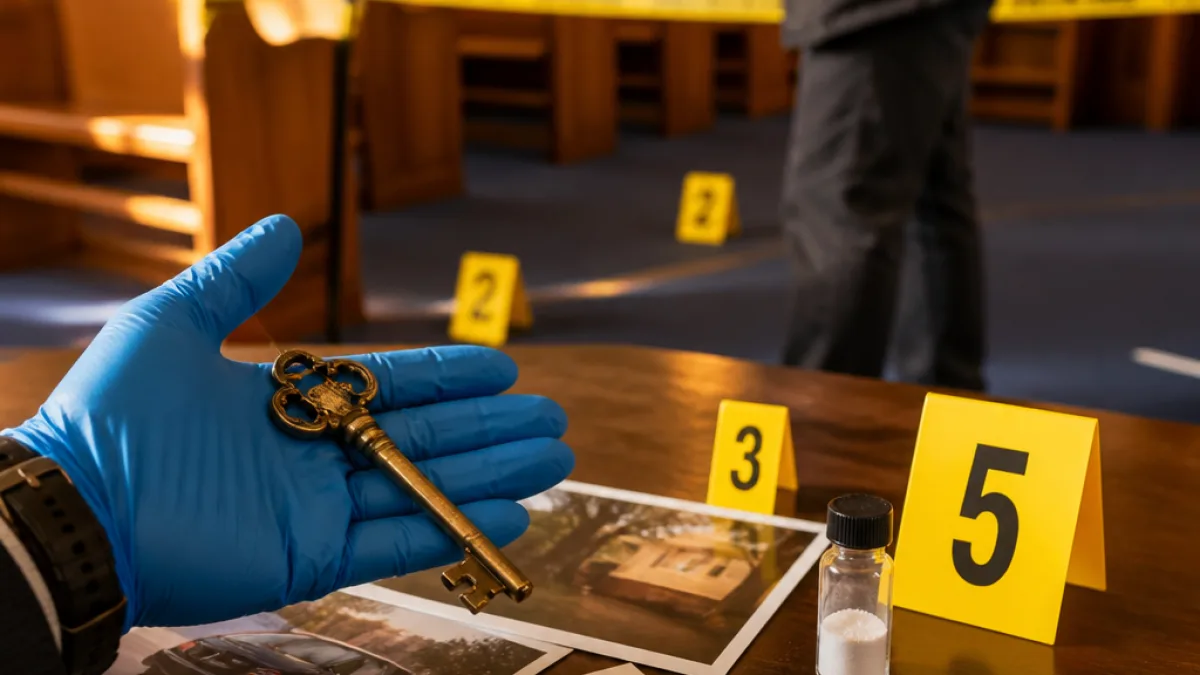
Investigators said an engraved key recovered with the body pointed them to a street in Jacksonville, Florida, where a property owner had disappeared in 1982. That lead, combined with photographs and DNA, helped confirm the man’s identity.
Authorities say Betkouski had worked in drugstores and that former colleagues and acquaintances described him as volatile and intrigued by the idea of a "perfect crime." Investigators also reported finding cyanide in a desk that belonged to him; they described that substance as homemade and chemically different from the compound used in the 1982 poisonings.
"Cyanide was a means to kill without detection,"
Detectives noted photographs showing Betkouski visited the Chicago area a year before the Tylenol deaths, but they have not established whether he returned to the region in the months when the poisonings occurred. Investigators also said he lived in five different states during his life but had no recorded residence in Illinois.
Chicago police coordinating with Idaho investigators
The Chicago Police Department said its detectives have been in contact with law enforcement in Idaho to assess whether the new findings relate to the Tylenol investigation. The department did not indicate whether it views Betkouski as a suspect; the Tylenol killings remain an unsolved federal and local inquiry.
Key facts in the probe
- Case reopened: 2019 by Ada County investigators.
- Identified individual: Dr. Mathew Francis Betkouski, death by cyanide over 40 years ago.
- Evidence discovered: engraved key, photos, DNA, and cyanide located in Betkouski’s desk.
- Geographic links: Burial in Idaho; lead to Jacksonville, Florida; photographs placing Betkouski in the Chicago area the year before the 1982 murders.
Timeline
| Year | Event |
|---|---|
| 1982 | Cyanide-laced acetaminophen capsules killed seven people in the Chicago area. |
| More than 40 years ago | Man later identified as Betkouski died by cyanide and was buried anonymously after being found in a church. |
| 2019 | Ada County reopened the cold case that led to the posthumous identification. |
What investigators are not saying
Officials have emphasized that no charges have been filed in the Tylenol killings in connection with Betkouski and that the Chicago cases remain open. Investigators reported the cyanide discovered in Betkouski’s desk was not the same compound used in the 1982 deaths, and they have not publicly linked him definitively to those murders.
Law enforcement sources say the new identification allows fresh lines of inquiry — including travel records, employment history and contacts — but they have not released details about what specific evidence might link the Idaho discovery to the Chicago poisonings.
Local and national implications
The 1982 poisonings prompted sweeping changes in how over-the-counter medications are packaged and sold, including the adoption of child-resistant caps and tamper-evident seals. Any development that sheds light on who was responsible for those poisonings could provide closure for surviving family members and inform investigative work on other cold cases involving product tampering.
Officials in Idaho and Chicago appear to be coordinating their efforts as detectives compare findings. For now, authorities caution that the identification is one piece of a complex puzzle and that further investigative work is needed before any definitive conclusions can be drawn.
More information may be released as detectives from both jurisdictions continue to examine records and evidence connected to the decades-old cases.
















