Flood watch issued for Pittsburgh area
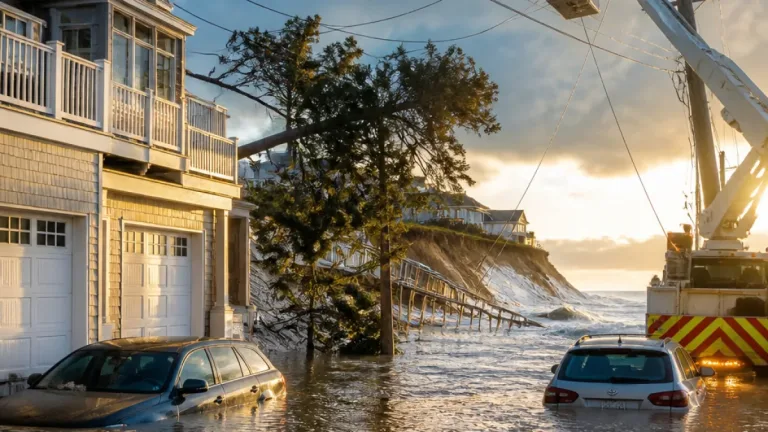
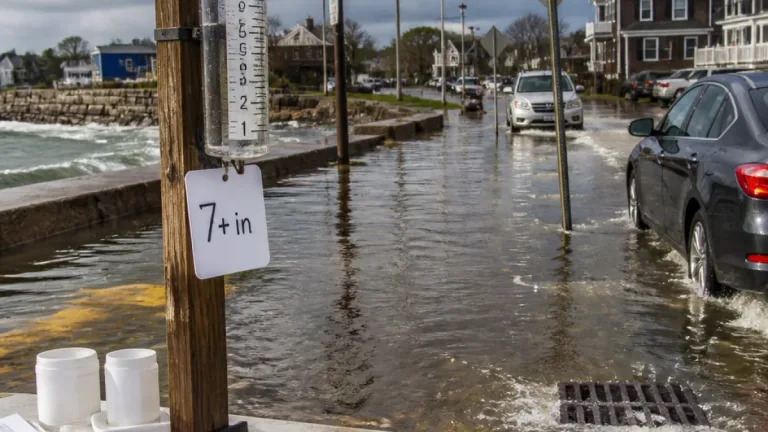
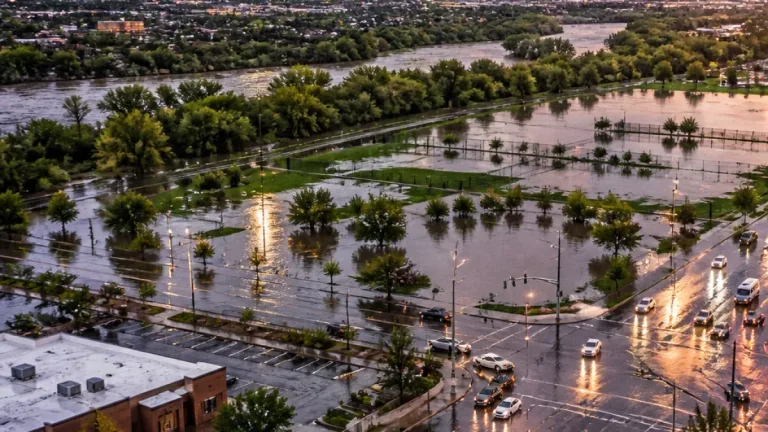
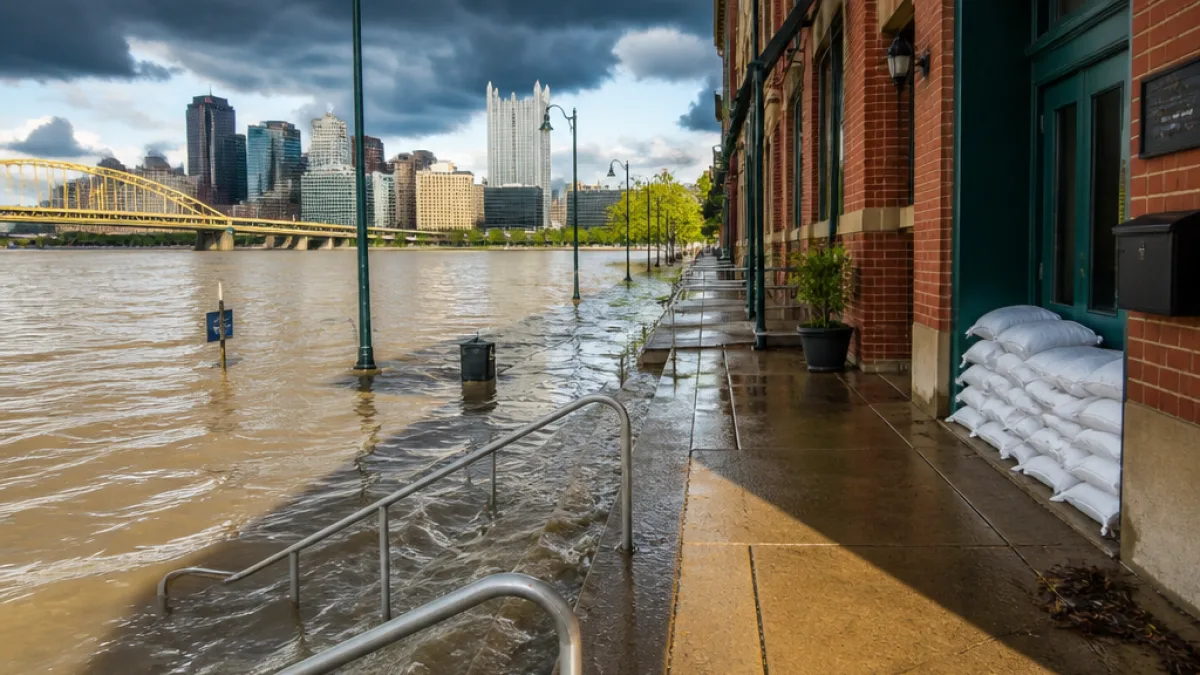
Pittsburgh officials are urging residents to stay alert as a flood watch remains in effect while heavy rain slowly moves across the region. The watch signals conditions are favorable for flooding — particularly in low-lying areas, near streams and rivers, and on urban streets with limited drainage.
City and county emergency management agencies typically issue such advisories to alert residents to heightened risk and to encourage preparedness. While forecasts can change, a flood watch means people should review personal safety plans, secure valuables, and be ready to modify travel plans if roads become impassable.
Where flooding often occurs in Pittsburgh
Pittsburgh’s topography — its hills, valleys and dense neighborhoods along the Allegheny, Monongahela and Ohio rivers — can concentrate runoff and produce rapid rises in smaller streams and culverts. Urban flooding also can occur when heavy rain overwhelms storm sewers, resulting in standing water on city streets and in basements.
- Roadways: Low bridges, underpasses and roads near streams are prone to closure during heavy rain.
- Basements and low floors: Properties with inadequate drainage can experience seepage or standing water.
- Creeks and tributaries: Smaller waterways can rise quickly and may flood bank areas before larger rivers respond.
Practical steps for residents
Officials recommend straightforward precautions to reduce risk and disruption during periods of heavy rain and potential flooding:
| Action | Why it matters |
|---|---|
| Avoid driving through standing water | Even shallow water can stall vehicles or hide hazards and swift currents can carry cars away. |
| Secure outdoor items | Loose objects can be swept into drainage systems and cause blockages. |
| Move essential items to higher floors | Protects valuables and electronics from basement seepage or sudden floods. |
| Monitor official channels | Updates from emergency management and the National Weather Service provide timing and severity information. |
Residents should also be mindful of the “Turn Around, Don’t Drown” guidance that applies when encountering flooded roads. Local transportation agencies and transit operators may alter routes or suspend service in affected areas; travelers should check updates before starting trips.
Potential impacts on services and infrastructure
Flooding can cause short-term but significant disruptions to daily life. In addition to road closures, high runoff can lead to:
- Power outages if equipment is compromised or crews need to de-energize lines to work safely.
- Service interruptions for public transit and paratransit, especially in low-lying corridors.
- Delays in trash and recycling pickup where vehicles cannot safely access streets.
Public works and emergency response teams typically prioritize clearing blocked storm drains and reopening key arterial roadways, but residents should expect some delays during and immediately after heavy rainfall.
Staying informed
During a flood watch and any subsequent warnings, rely on official sources for the latest information. Local emergency management offices, the National Weather Service and city traffic alerts provide authoritative updates on watches, warnings and closures. Citizens with concerns about flooding at specific properties can contact municipal public works or local emergency management for guidance.
Pittsburgh’s combination of steep slopes and urban streets means flash flooding can develop quickly. Taking basic precautions now — avoiding unnecessary travel, protecting basement belongings and monitoring official advisories — can reduce risk until the rain moves out of the region.