
Bill Giles, who spent more than half a century shaping the Philadelphia Phillies as an executive, owner and longtime public face of the franchise, died Friday at his home in Gladwyne, Pennsylvania. He was 92.
Long arc with one franchise
Giles began his association with the Phillies in 1969 as vice president of business operations and was promoted to executive vice president in 1972. He led a group that purchased the club in 1981, became president and chief executive officer and held those roles through 1997, later serving as chairman and, beginning in 2015, as chairman emeritus — the title he retained until his death.
The Phillies honored Giles with a moment of silence prior to Friday's game against Tampa Bay, acknowledging the role he played in the club's evolution on and off the field.
Contributions and legacy
Giles arrived at a time when the team was navigating the changing business of baseball. He is credited with reshaping the franchise from a traditional baseball club into a more visible entertainment and business operation, a transformation cited by Phillies managing partner and chief executive officer John Middleton in a statement released Friday.
"Bill helped to reshape our franchise from a traditional baseball club into a highly visible entertainment and business operation," Middleton said. "His profound impact in overseeing one of the greatest eras in franchise history, both on and off the field, will forever be his legacy."
During Giles’ tenure as chief executive, the Phillies had four winning seasons but reached the World Series twice and played a major role in assembling the roster that brought the city its first World Series title in 1980. The source material specifically notes his involvement in persuading then-owner Ruly Carpenter to sign Pete Rose, a move Giles considered important to that era.
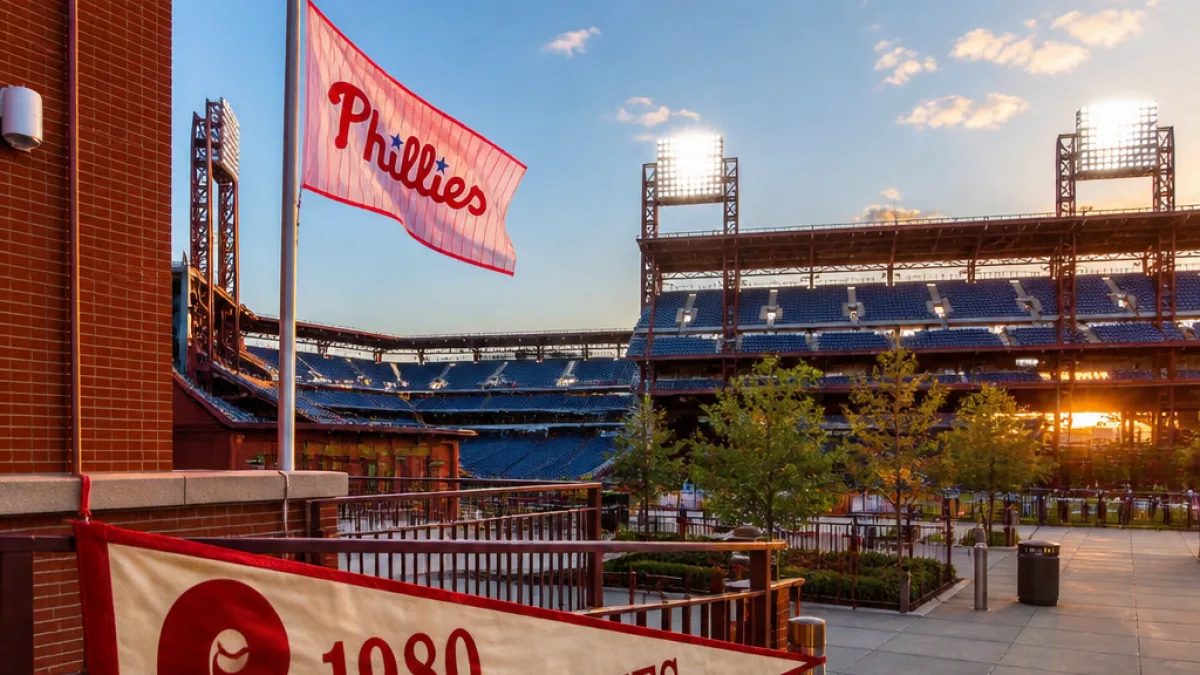
Giles also was influential in two major stadium projects that shaped the fan experience in Philadelphia: the opening of Veterans Stadium in 1971 and the later move to Citizens Bank Park, which opened in 2004. He helped foster initiatives that broadened the appeal of baseball games, including the creation of the Phillie Phanatic mascot, which became a hallmark of the club’s engagement with fans.
Recognition and honors
Beyond the Phillies organization, Giles held prominent roles within the sport. He was named honorary president of the National League in 2001 and received the Bud Selig Executive Leadership Award for lifetime achievement in baseball in 2010. The Phillies established the Bill Giles Award in 1999 to honor minor-league players who demonstrate a love of the game, strong work ethic and pride in representing the organization.
Giles’ roots in baseball extended back to his teenage years when he worked in public relations for the Cincinnati Reds, and he was the son of Warren Giles, who served as National League president from 1951-69.
- Age at death: 92
- Place of death: Gladwyne, Pennsylvania
- Long association with Phillies: began 1969; chairman emeritus since 2015
| Year | Milestone |
|---|---|
| 1969 | Joined Phillies as vice president of business operations |
| 1972 | Promoted to executive vice president |
| 1981 | Led ownership group that purchased the club |
| 1997 | Stepped down as president and CEO |
| 2015 | Named chairman emeritus (title held until death) |
Giles' influence touched both the competitive and commercial sides of the franchise, and his death marks the passing of a figure who was central to the Phillies' identity for multiple generations.
Within the organization, his legacy is institutionalized through awards and the franchise infrastructure he helped advance. The Bill Giles Award for minor-league players and his instrumental role in stadium development are among the tangible traces of his decades of service.
The Phillies and the larger Philadelphia community now face a moment of reflection about the club’s modern history and Giles’ imprint on it, from the team's business practices to its public persona and entertainment innovations.
Further details on memorial plans or family statements were not included in the initial report.

















