
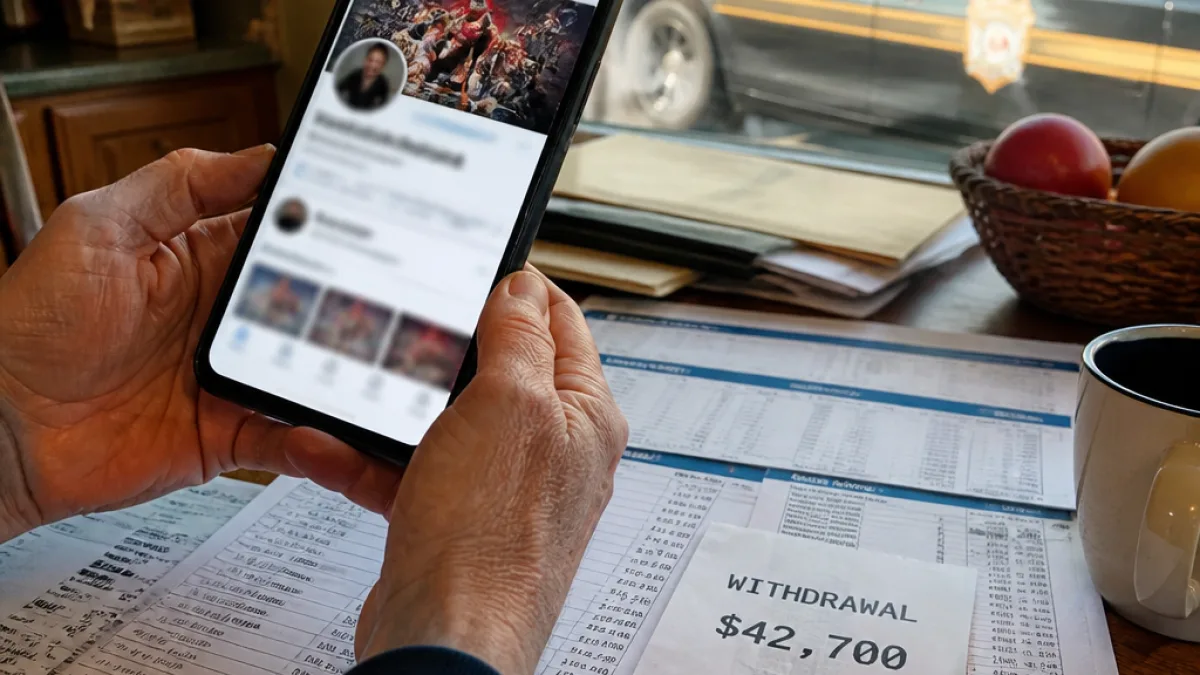
ARMSTRONG COUNTY — A local man says he was defrauded of $42,700 after being contacted by someone impersonating WWE wrestler Rhea Ripley, Pennsylvania State Police in Kittanning reported this week.
Incident reported to state police
According to the brief police report, the alleged victim is a 64-year-old resident of the Western Pennsylvania county. The contact occurred in March, when the man was approached by a person claiming to be the former WWE Women’s Champion, the agency said.
State police provided limited details about how the transaction or transfer occurred. Investigators also said the man ultimately refused to cooperate with further inquiries, leaving the criminal investigation stalled for now.
Public warning from WWE official
The scam drew broader attention after Adam Pearce, general manager of WWE’s Monday Night Raw, posted a warning on social media. His post bluntly cautioned fans about solicitations tied to WWE personalities:
"I REPEAT: NO ONE in WWE is asking you for money. THINK."
The victim’s use of a public figure’s identity in the alleged scheme mirrors a growing trend in social-media and messaging fraud: criminals impersonate celebrities, influencers, or trusted organizations to build trust and convince targets to send money or share account credentials.
Victim cooperation remains limited
State police did not release further facts about how the alleged loss occurred — for example, whether funds were sent via wire transfer, cryptocurrency, gift cards or other means. Officials also noted that the wrestler named in the scam has not publicly commented on the matter.
Because the complainant declined further cooperation, investigators may face barriers to tracing payments and identifying the person or persons responsible. That lack of cooperation can substantially reduce the chances of recovery and prosecution.
How such scams typically work
While authorities did not provide specifics about this case, law-enforcement experts say impersonation schemes often follow a predictable arc. Scammers:
- Initiate unsolicited contact via direct message or email, often using a fake or compromised account;
- Create a sense of urgency or emotional connection, then request payment or personal information;
- Insist on payment through hard-to-trace channels such as gift cards, money-transfer apps, wire transfers or cryptocurrencies;
- Discourage victims from confirming the contact through official channels and sometimes pressure them to act quickly.
Practical steps for residents
Authorities and consumer-protection groups recommend these safeguards to reduce the risk of falling victim to impersonation and similar frauds:
- Verify identities through official, separate channels (for example, an organization’s verified website or established hotline).
- Never send money to someone who initiates contact and asks for funds, even if they claim to be a public figure.
- Be skeptical of urgent requests and offers that seem too good to be true.
- Use traceable payment methods and avoid gift cards or cryptocurrency for transfers to strangers.
- Report suspected scams promptly to local police and to the FBI’s Internet Crime Complaint Center at ic3.gov.
| Detail | Reported information |
|---|---|
| County | Armstrong |
| Victim age | 64 |
| Alleged loss | $42,700 |
| Month reported | March |
State police in Kittanning are the point agency listed in the brief bulletin. Anyone who believes they have been targeted in a similar impersonation scheme or who has information that might help investigators is encouraged to contact local law enforcement.
This case underscores the continuing evolution of scams that leverage celebrity names and social platforms to exploit trust. When victims decline to cooperate with investigators, recovery and accountability become significantly more difficult.
We will update this report if officials provide additional facts or if the named public figure issues a statement.
— Gregory Halloran, State Correspondent
















