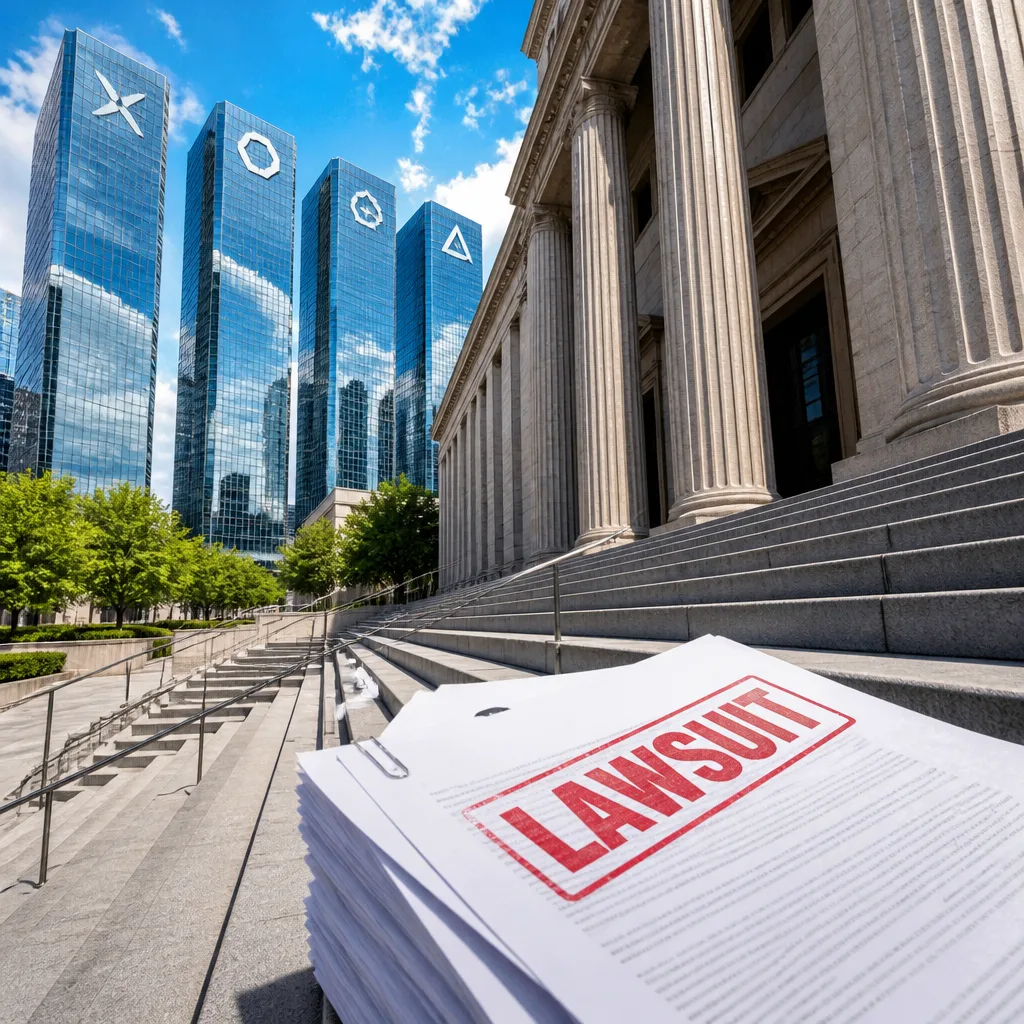
A new federal lawsuit filed in the U.S. District Court for the Northern District of California alleges that four leading artificial intelligence companies unlawfully coordinated to slow the pace of their technology development, reducing the value for consumers who pay for AI subscriptions.
Alleged coordination followed public call to slow progress
The complaint, filed Friday, names Anthropic, OpenAI, SpaceXAI and Google as defendants and says the firms agreed to take measures to decelerate advances in their AI systems. The coordination is said to have centered on Sept. 12, when Anthropic CEO Dario Amodei published an essay urging industrywide cooperation to move more cautiously and to prioritize safety measures over rapid progress.
"pacing the frontier."
According to the suit, Amodei proposed a three-point plan in that blog post intended to limit the speed of development. The plaintiffs say leaders at OpenAI, SpaceXAI and Google DeepMind — identified in the filing as Sam Altman, Elon Musk and Demis Hassabis, respectively — confirmed their agreement to the approach on the same day.
Who brought the case and what they seek
Lawyers for four named plaintiffs — each of whom pays for subscriptions to ChatGPT, Claude, Grok or Gemini — filed the case on behalf of a proposed nationwide class of paid subscribers to those services. The plaintiffs contend the companies' conduct violated federal antitrust laws by restraining competition, which the suit says would lower the value consumers receive for subscription services.
"The antitrust laws do not permit competitors to decide among themselves that competition is too dangerous," the plaintiffs write in the filing.
"AI will quickly spin out of human control and could kill us all if we allow AI safety and protocol ... to be controlled by private self-serving agreements between the world's most powerful 'for profit' technology companies," said Nick Rowley, lead attorney for the plaintiffs, according to the complaint.
Implications for consumers, competition and regulation
If the court finds the actions alleged in the complaint amount to an illegal restraint of trade, the decision could have wide-ranging effects on how AI development is governed and how companies communicate about safety initiatives. Antitrust law generally bars competitors from reaching agreements that limit competition, even where the stated purpose is pro-consumer or safety-related.
Beyond possible damages or injunctions, the case could prompt closer scrutiny of public safety appeals by industry executives and how those communications are coordinated. It may also influence ongoing policy debates in Washington over how to balance innovation, competition and safety in advanced technologies.
Company responses and next steps
Representatives for Anthropic, OpenAI, Google and SpaceXAI did not immediately respond to requests for comment, according to court filings. The suit will proceed through the federal court system, where plaintiffs must demonstrate the elements of an antitrust violation, and the companies will have opportunities to contest the allegations and seek dismissal or other relief.
- Plaintiffs: Four named subscribers paying for ChatGPT, Claude, Grok or Gemini, seeking class status for all paid subscribers nationwide.
- Defendants: Anthropic, OpenAI, SpaceXAI and Google (DeepMind).
- Core claim: Competitors coordinated to slow AI development, reducing competitive value and violating antitrust laws.
| Company | CEO/Leader (as cited in suit) |
|---|---|
| Anthropic | Dario Amodei |
| OpenAI | Sam Altman |
| SpaceXAI | Elon Musk |
| Google DeepMind | Demis Hassabis |
The case arrives amid heightened public and political attention to the risks posed by advanced AI systems, including calls from researchers and some company leaders for slower progression to address safety concerns. The plaintiffs say private agreements among competitors are not an acceptable substitute for public policymaking or regulatory oversight when it comes to technology with broad societal implications.
The court docket will determine whether the allegations move forward to discovery and, if so, whether evidence supports the claim that the firms' actions constituted an unlawful restraint on competition.