
District Attorney closes complaint, cites same-agenda rationale
The 15th Judicial District Attorney’s Office has concluded the Lafayette Parish School Board did not violate Louisiana’s Open Meetings Law when it declined to open a separate public comment period for two substitute motions offered during the June 11 meeting that culminated in a vote to close Ovey Comeaux High School. The opinion resolves a complaint filed after the meeting by former board member and state legislator Rickey Hardy.
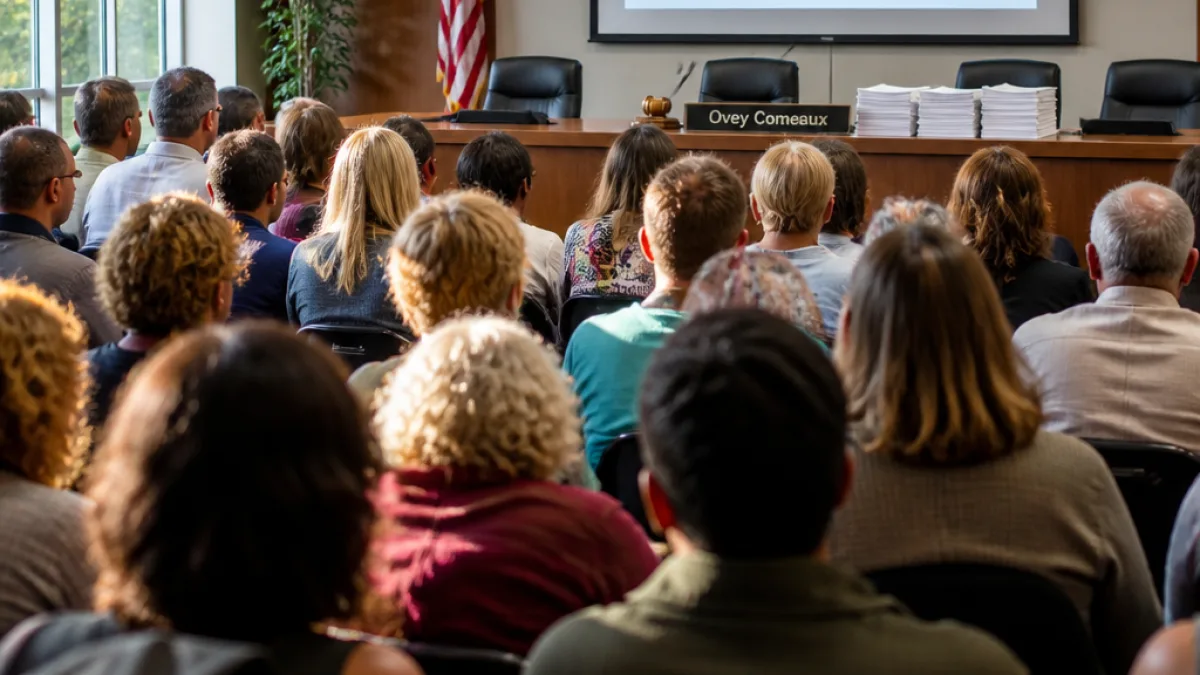
Board member Amy Trahan offered two substitute motions while members discussed Comeaux’s future. Both substitute motions failed, and the board, acting on the advice of its legal counsel, did not reopen public comment for each substitute. The board had already taken public comment earlier in the meeting on the broader agenda item concerning the school’s closure.
"There wasn’t sufficient legal basis for the District Attorney’s Office to pursue litigation seeking to invalidate the board’s action."
That statement, included in the district attorney’s determination, underscores the DA’s limited authority: the office enforces the Open Meetings Law itself but does not substitute its judgment for board decision-making where the law does not clearly require intervention. The DA found the substitute motions addressed the same publicly noticed agenda item and therefore were not treated as separate agenda items that would trigger additional public comment requirements.
What the ruling means locally
For Lafayette residents and stakeholders in public education, the decision clarifies how the district attorney interprets substitute motions under the Open Meetings Law, particularly in situations where a board has already allowed public input on a substantive agenda item. It also leaves intact the board’s June action to close Comeaux while highlighting the limits of legal remedies available through the DA’s office.
Hardy, who filed the complaint, remains at odds with both the legal opinion and the board’s underlying action. His complaint argued the Open Meetings Law required an opportunity for public comment on each substitute motion separately, independent of the earlier comment period held on the original agenda item.
- Date of meeting: June 11 (board vote on Comeaux closure)
- Complainant: Rickey Hardy, former school board member and state legislator
- Respondent: Lafayette Parish School Board; substitute motions offered by Amy Trahan
- Legal reference cited: R.S. 42:19 (Open Meetings Law notice requirements)
Legal standard and practical implications
Louisiana’s Open Meetings Law generally requires public bodies to provide the public an opportunity to comment before voting on an agenda item, with specific notice obligations spelled out under R.S. 42:19. The DA’s office determined the substitute motions did not introduce new agenda items beyond what had been noticed and discussed, meaning the earlier comment period covered the substantive issues that were before the board.
The ruling emphasizes a practical point for public bodies in Lafayette and across the 15th Judicial District: how boards structure agendas and how attorneys advise on meeting procedure can shape whether additional comment periods are required. Critics, including Hardy, argue that separate motions can change the direction or substance of deliberations enough to warrant fresh public input. The DA’s decision indicates that, absent clear evidence that a substitute motion creates a distinct agenda item, the office will defer to the board’s procedural judgment.
Parents, educators and community members concerned about school closures and board transparency may still pursue other avenues, such as civil litigation or administrative challenges, though the DA noted insufficient legal grounds in this complaint to seek to invalidate the board’s action. The ruling does not prevent future complaints or legal actions by interested parties.
As Lafayette continues to reckon with the impacts of the Comeaux closure, the DA’s opinion provides immediate guidance on Open Meetings Law enforcement in similar disputes and may influence how school board meetings are conducted and noticed going forward.















