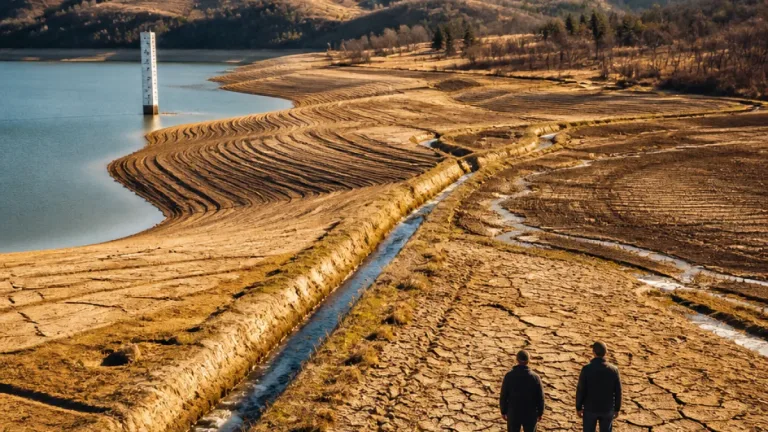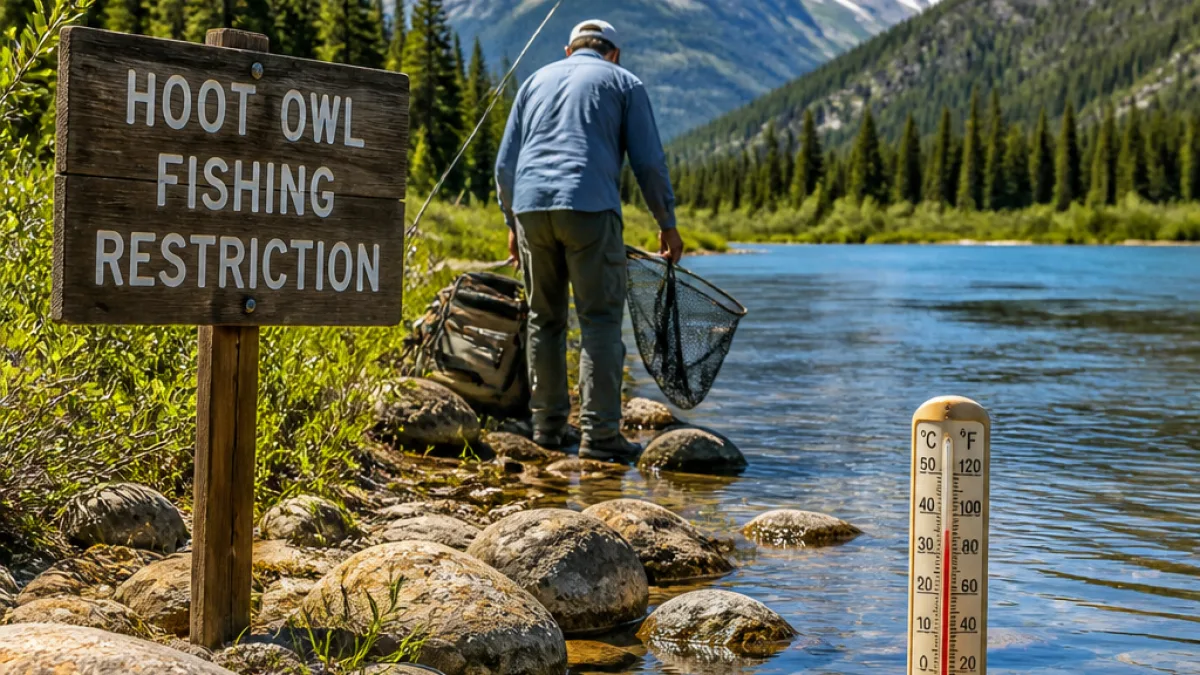
Montana Fish, Wildlife & Parks has put 19 rivers and streams under temporary hoot owl fishing restrictions as unseasonably warm conditions and lingering low snowpack drive water temperatures toward levels dangerous for native trout.
What the restrictions mean
The hoot owl rule bars fishing during the hottest portion of the day — from 2 p.m. to midnight. During restricted periods anglers are limited to the coolest hours, effectively allowing fishing between midnight and 2 p.m. when water temperatures are lower and trout are less vulnerable to stress and injury.
Why officials acted
State wildlife managers activate hoot owl measures when water temperatures reach established thresholds that increase mortality risk for different trout species. For fisheries dominated by non-native trout, that trigger is 73 degrees Fahrenheit recorded for three consecutive days; for more sensitive species the limits are lower.
| Species | Temperature trigger (°F) |
|---|---|
| Non-native trout | 73 |
| Cutthroat trout | 66 |
| Bull trout | 60 |
Montana FWP officials reported that stretches of river already logged two consecutive days at the 73-degree threshold, putting them on the path to the three-day trigger for the non-native trout threshold.
Voices from the field
Dave Hagengruber, communication and education manager for FWP Region 4, explained the mechanics of the restrictions and the narrow window for safe angling.
"Which basically means you can fish between the hours of midnight and 2 p.m., which is when the water is the coolest,"
On the ground near Craig, conditions are somewhat less dire. Fred Telleen, manager at the Trout Shop there, said temperature readings in his section of river have mostly been in the mid-60s, within safer margins for catch-and-release fishing.
"It's mostly been hanging 64, 65, which is well within the safe range for catch and release trout fishing without doing damage to the fishery,"
Local impacts and outlook
Managers warn that the 2026 season is following a pattern similar to 2024, an unusually restrictive year for Montana's fisheries. Below-normal snowpack last winter and hotter-than-average air temperatures this summer are combining to warm rivers earlier and faster than usual. Last year at this time, FWP had 16 waterbodies under hoot owl restrictions; this year the number is higher.
Even where current readings remain in the safe band, anglers and outfitters should expect conditions to change quickly. Water temperature can vary with weather, flow and shading; a cool morning can give way to several hot afternoons that push rivers past critical thresholds.
How anglers can help
FWP recommends that anglers follow posted restrictions, limit handling of fish, and employ best practices for catch-and-release to reduce stress on fish. Practical steps include:
- Fishing during the allowed hours — typically early morning and into the early afternoon.
- Keeping fish in the water when possible and minimizing handling time.
- Using barbless hooks and wet hands or gloves to reduce damage to fish skin and slime.
- Checking current restrictions with Montana FWP before heading out; conditions can change rapidly.
Anglers should consult the FWP website or contact regional offices for up-to-date lists of affected waters and specific local guidance. Managers emphasized that these measures are temporary, targeted responses intended to prevent avoidable fish kills and preserve fisheries for anglers and the broader ecosystem.
With the summer still unfolding, residents and visitors who value Montana's trout fisheries are being urged to stay informed, adjust plans accordingly and help limit additional stress on already vulnerable rivers.