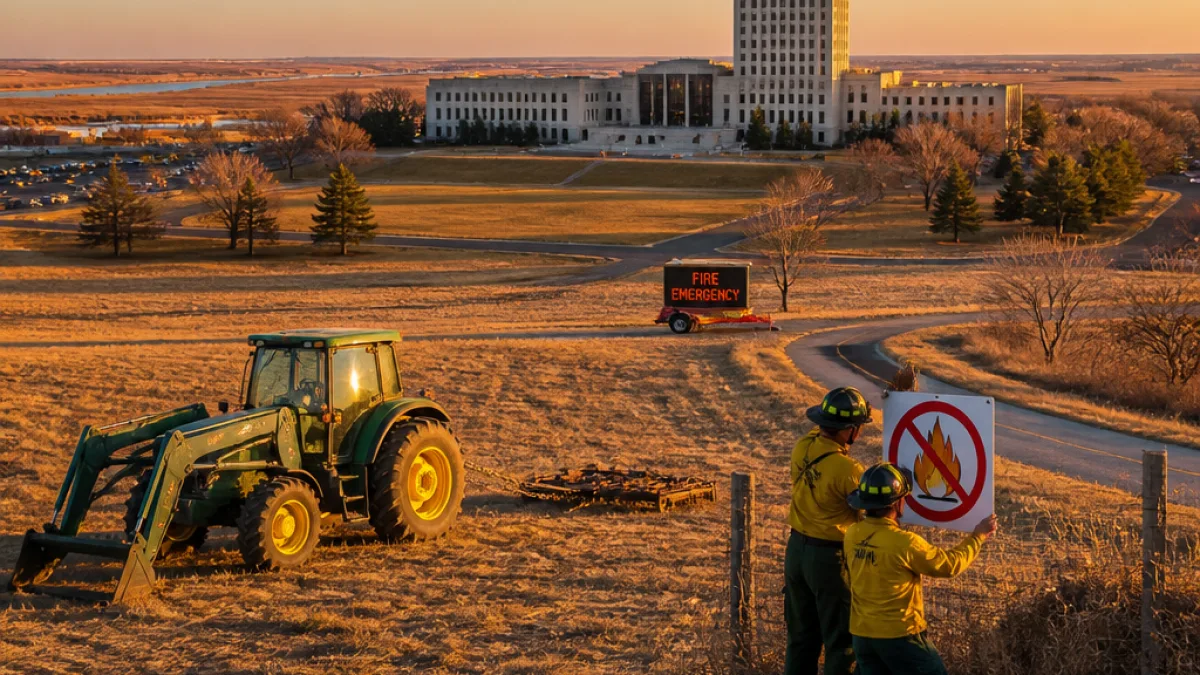
Gov. Kelly Armstrong on Aug. 7 declared a statewide fire emergency in North Dakota after a period of worsening drought left grasses, fields and other vegetation unusually dry and highly flammable.
Why officials acted
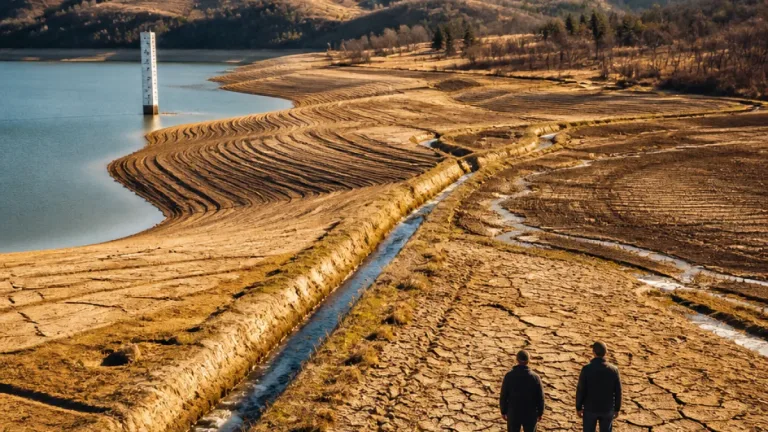
State officials said the order is intended to alert residents and local governments that conditions are ripe for rapid fire growth. The declaration does not mean multiple active wildfires are burning across the state, but it reflects concern that under hot, dry and windy conditions a single spark could escalate into a larger, fast-moving blaze.
In a state where much of daily life depends on open land and agriculture, officials note that common activities and equipment can become ignition sources when fuels are desiccated. That includes farm machinery, towing chains that create sparks, campfires and debris burning.
Potential impacts on communities and agriculture
Wildfires fueled by drought can pose risks beyond loss of grass and trees. State guidance and local officials warn fires could force evacuations, damage homes and farm buildings, harm livestock and wildlife, destroy grazing land and interrupt harvest operations. Emergency services in rural areas are often spread thin; a major fire could strain response capacity.
Public health concerns also figure into the emergency declaration: smoke from fires can worsen respiratory conditions such as asthma and other preexisting ailments, and road closures from fire activity can isolate residents and delay critical services.
| Area | Possible effects |
|---|---|
| Agriculture | Damage to crops, loss of grazing land, disrupted harvests |
| Public safety | Evacuations, stretched emergency services, road closures |
| Health | Smoke exposure aggravating respiratory illnesses |
Practical steps and guidance
State and local officials urge residents to follow burn bans, exercise caution with equipment and avoid unnecessary outdoor burning. Simple preventive measures can reduce the likelihood that routine activities will start a fire.
- Observe local burn bans and restrictions.
- Avoid debris burning, campfires or other open flames when conditions are dry.
- Inspect towing chains and equipment for potential spark sources before travel.
- Keep yards and fields as clear of flammable debris as possible.
Officials note that the declaration is intended to give communities and responders time to coordinate, allocate resources and remind the public of risks as conditions evolve. Local fire chiefs and county emergency managers remain the primary authorities for issuing evacuation orders and communicating immediate threats.
For ranchers and farmers, the timing heightens concerns as late-summer field operations continue. Dry pastures reduce available grazing and increase the vulnerability of stored feed, fencing and outbuildings. Those factors can amplify the economic and logistical impact of any fire event.
Residents who rely on outdoor work or travel across rural routes should be especially vigilant. A vehicle or trailer problem that produces sparks can have outsized consequences when vegetation is tinder-dry, and a brush or grass fire near a roadway can prompt sudden closures and hazardous driving conditions.
State authorities did not list specific counties under active threat in the announcement; rather, the declaration is statewide in scope to reflect the broad pattern of drought conditions affecting much of North Dakota.
Officials emphasize that reducing ignition sources is the best immediate defense. As conditions change, local emergency alerts and county offices remain the best sources for real-time information about restrictions, evacuations and resource needs.
This developing situation will be followed closely as weather and field conditions evolve through the remainder of the summer.