
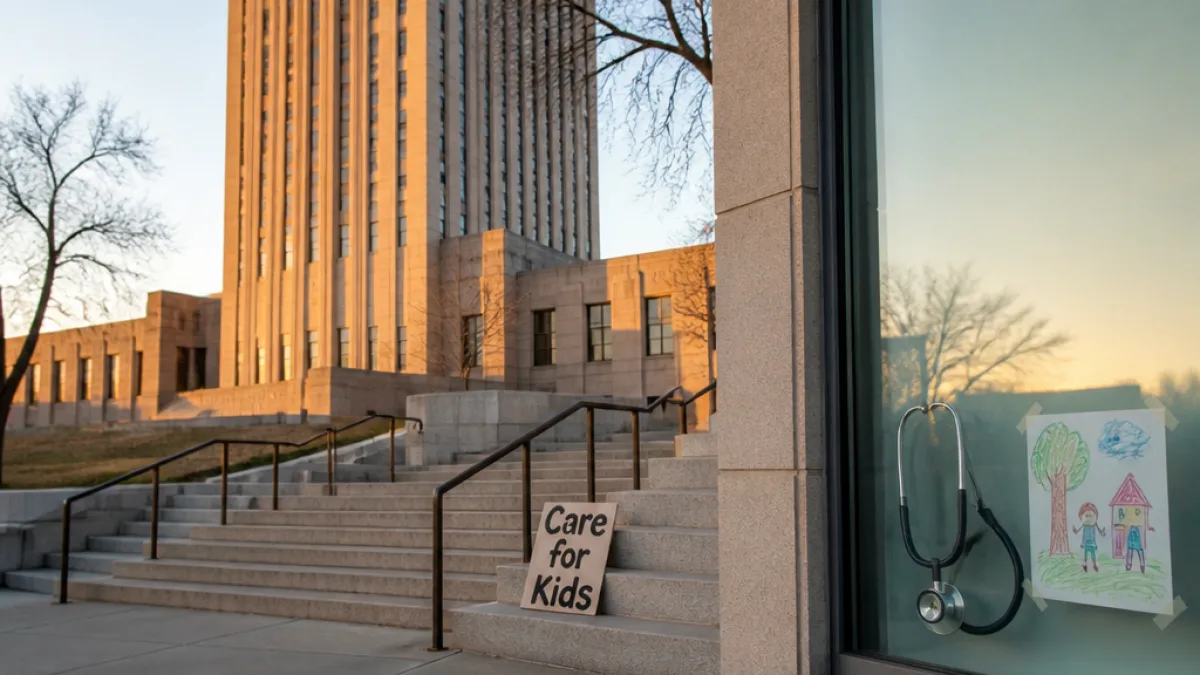
BISMARCK, N.D. — The North Dakota Supreme Court on Thursday upheld a district court ruling that leaves the state’s broad ban on gender-affirming medical care for transgender youth in force, a decision that advocates and some doctors say hands control of private medical choices to politicians rather than clinicians and families.
What the ruling means
The court’s action preserves a law that restricts access to a range of gender-affirming interventions for people under 18. The ruling concluded that the North Dakota Constitution provides limited protection against governmental regulation of youth health care in this area, according to statements released by advocacy groups involved in the litigation.
Advocates for transgender patients described the decision as a setback that could force families to make painful decisions about leaving the state or forgoing recommended care. In a release, Gender Justice — the advocacy organization litigating in the case — said the ruling “opens the door to government intrusion into the private lives of all North Dakotans.”
“This ruling is devastating for transgender youth and their families in North Dakota — and it should worry every North Dakotan who believes private medical decisions should be made by families in consultation with their trusted medical providers, not by politicians,” said Jess Braverman, Legal Director at Gender Justice.
Voices from the medical community
Dr. Luis Casas, a North Dakota pediatric endocrinologist identified in the case, warned the decision will affect long-standing patient relationships. “This ruling means the government still stands between me and my patients,” he said in the advocacy group’s statement. Casas said families he has treated face “an impossible choice: uproot their lives and leave the state, or go without the care their doctors recommend and their kids need.”
The advocacy statement also noted that major medical organizations — including the American Academy of Pediatrics and the American Medical Association — endorse gender-affirming care as safe and evidence-based. The groups were cited to underscore the tension between the court’s ruling and prevailing medical guidance, according to Gender Justice.
Case background and legal framing
The litigation, identified as T.D. v. Wrigley in advocacy materials, challenged North Dakota’s statute banning gender-affirming treatment for minors. The state Supreme Court’s decision affirms the lower court’s judgment, leaving the statutory ban intact while clarifying the reach of constitutional protections related to youth health decisions, per the advocacy group’s release.
The court’s written opinion was not included in the advocacy statement, and state officials did not immediately provide comment through the releases distributed by Gender Justice. Details such as the court’s legal reasoning, whether any justices filed separate opinions, and potential avenues for appeal were not included in the material provided by the advocacy group.
Potential impacts and next steps
Advocates warn the ruling may prompt families to relocate to states with policies that allow gender-affirming care for minors, and they said it raises broader concerns about government authority over private health decisions. Gender Justice said the decision could leave “all North Dakotans vulnerable to the whims of politicians when it comes to their ability to access life and health preserving medical care.”
Those affected will now consider whether further legal options exist at the state or federal level, while providers and families must navigate care decisions under the existing state law. Medical groups that advocate for access to gender-affirming care may continue to press policymakers or pursue other legal strategies.
- Case: T.D. v. Wrigley
- Ruling: North Dakota Supreme Court upheld district court decision
- Who is affected: Transgender youth and families seeking gender-affirming care in North Dakota
| Entity | Position |
|---|---|
| North Dakota Supreme Court | Upheld lower-court ruling; ban remains in place |
| Gender Justice | Criticizes decision; called it a threat to private medical decisions |
| Dr. Luis Casas | Warned families face leaving state or foregoing recommended care |
Legal advocates emphasized that the ruling represents more than a change in medical access for a narrow population: they framed it as a broader constitutional question about how much the state may regulate intimate health-care decisions for young people. The advocacy release quoted Tanya Pellegrini, co-director of Gender Justice’s litigation program, saying North Dakota’s constitution was meant to protect personal freedom and self-determination broadly.
Local families, health-care providers and state officials will be watching for the court’s full written opinion and any subsequent filings that could clarify the scope of the ruling or indicate whether the case will move to the federal courts.
As this story develops, WE NEWS will continue to report updates and seek responses from state officials, medical groups and families affected by the decision.

















