
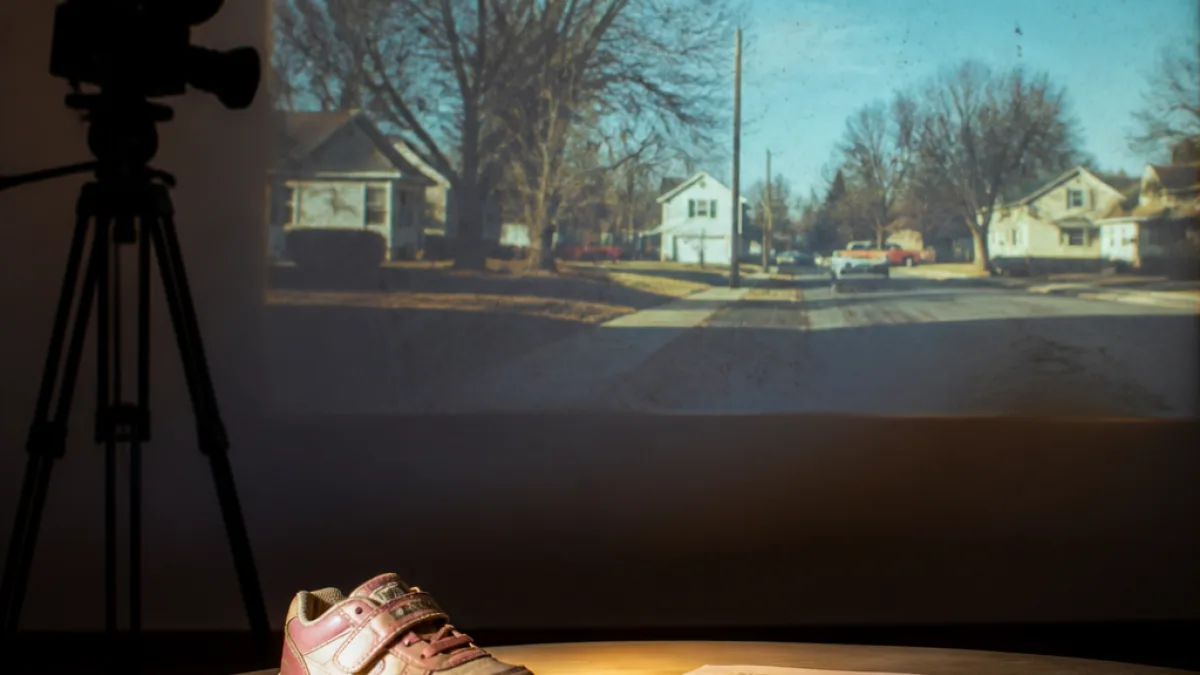
BISMARCK — Three decades after a Bismarck mother vanished during an afternoon errand, two North Dakota filmmakers have compiled a feature-length documentary that revisits the case and urges anyone with information to speak up.
Remembering Michele ‘Shelly’ Julson
The film, titled Call Me Shelly, examines the disappearance of Michele Julson, known to friends and family as Shelly, who went missing in the summer of 1994. According to the filmmakers, Julson dropped off her 3-year-old son at his grandparents’ home and never returned to pick him up as planned.
Local police conducted an intensive search in the immediate aftermath, but the case has remained unsolved. The documentary layers interviews, archival material and investigative reporting in an effort to retrace Shelly’s last known movements and the threads that might explain her disappearance.
Filmmakers hope renewed attention will prompt tips
The project grew out of a podcast and reporting effort by North Dakota native James Wolner, who worked on the story as part of his Dakota Spotlight series. Wolner said he partnered with another filmmaker to expand the reporting into a documentary format.
“Somebody knows something. It’s unsolved because the people who know have not come forward,”
Wolner told KFYR that he believes there are still people alive who hold information that could be significant to the case. He said he collaborated closely with Julson’s parents and her son, now in his 30s, while assembling the film.
Multiple leads, complex storylines
Wolner described the investigation as having multiple plausible threads rather than a single obvious suspect. He said that aspect — several possible avenues rather than one clear explanation — motivated deeper examination and helped shape the documentary’s narrative approach.
“There were so many different, interesting, mysterious, potential things that could have happened to her,” Wolner said, noting that the case does not fit the common pattern in which an ex-partner is the primary person of interest.
Community impact and screenings
Beyond seeking answers, the filmmakers said the documentary is a personal portrait of a family and the communities that have lived with the unanswered questions for 30 years. The project aims to honor Julson’s memory and to provide a forum for renewed public attention.
Screenings are scheduled on the festival circuit this fall, followed by wider availability online. The filmmakers announced two public showings in North Dakota:
- Oct. 14 — Carrington
- Oct. 22 — Oak Park Theater, Minot
| Screening date | Location |
|---|---|
| Oct. 14 | Carrington |
| Oct. 22 | Oak Park Theater, Minot |
After the festival run, the documentary is expected to be available for streaming, the filmmakers said. No streaming platform or exact release date has been announced.
What authorities say
The producers emphasize that they worked with family members and that the film is intended to complement, not replace, the official investigation. Bismarck police have previously conducted extensive inquiries, and the case remains open.
Authorities typically ask anyone with information about cold cases to contact their local law enforcement agency or a crime tip line. Anonymous tips can sometimes be submitted to regional or state tip services, and they can be crucial in moving long-dormant cases forward.
Why the film matters now
Documentaries and podcasts have prompted new leads in other cold cases around the country by renewing public attention and encouraging witnesses to come forward. The filmmakers behind Call Me Shelly are hoping the same outcome: that someone who has remained silent will choose now to share what they know and provide the missing piece to a decades-old puzzle.
“I honestly believe there are people alive today who know,” Wolner said, underscoring the documentary’s appeal to memory and conscience as much as to fact-finding.
For viewers, the film offers both a look back at a local family tragedy and a reminder that cold cases can be reopened in the public mind — and sometimes in police files — when new information emerges.
Information about screening tickets and any further tour dates will be released by the filmmakers as details are finalized.
















