
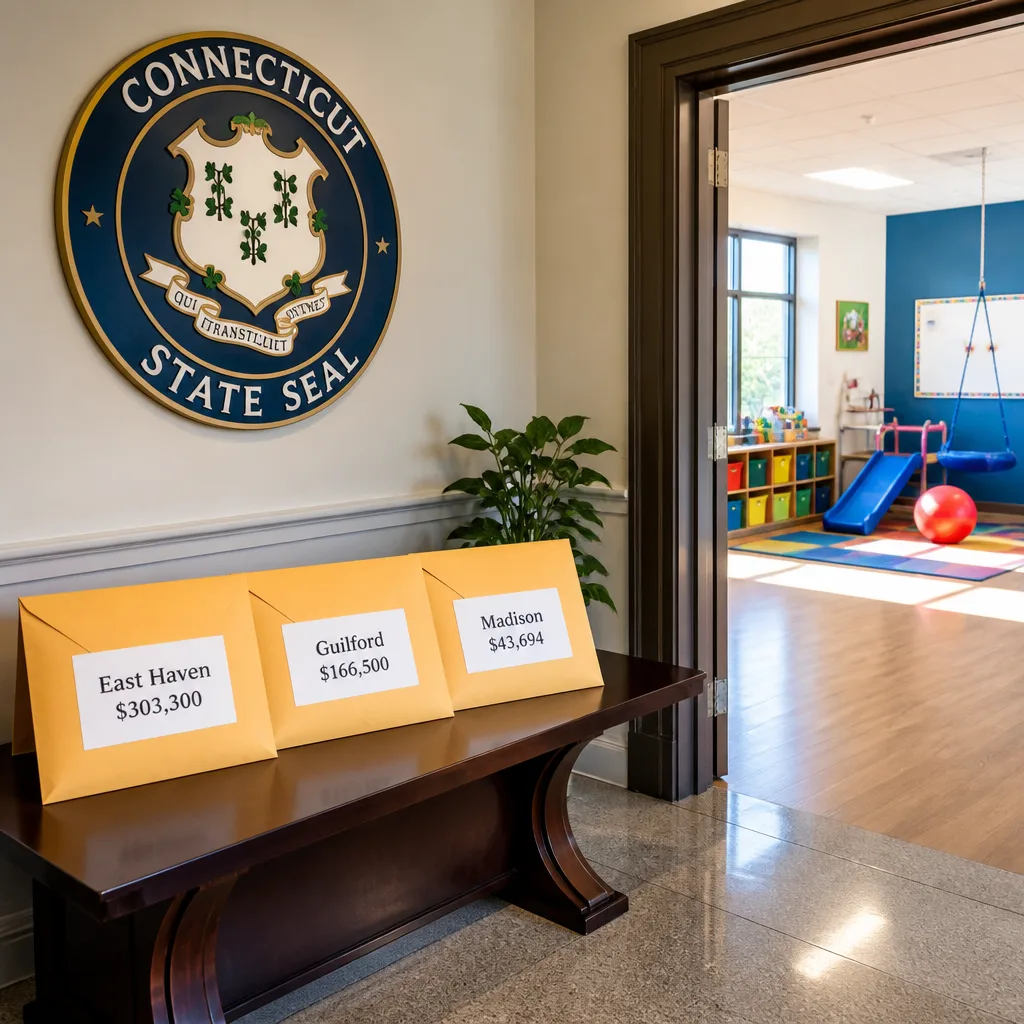
Connecticut is directing more than $513,000 to three school districts to expand services for students with disabilities and curb reliance on out-of-district placements, state officials announced Wednesday.
Funding tied to 2025 special education initiative
The awards, released through the state’s High-Quality Special Education Incentive Grant Program, will send $303,300 to East Haven, $166,500 to Guilford and $43,694 to Madison, according to a statement from state Senate Democrats.
The grant program was created as part of major education legislation passed in 2025 and is intended to help local and regional boards of education expand or enhance in-district and regional services so fewer students require placements outside their home districts.
“This funding means East Haven can strengthen the in-district services so many students rely on, Guilford can expand programming that keeps kids learning alongside their peers, and Madison can invest in resources that make a real difference for students with disabilities,” Sen. Christine Cohen (D‑Guilford) said in the announcement. “Students do best when they can stay connected to their community and I am glad to see this investment reach our local schools.”
What the grants aim to accomplish
According to the announcement, the grants are targeted to support programming that reduces the need for out-of-district placements. Districts often send students to specialized private or regional programs when they lack the staff, facilities or services to meet certain needs within their own schools. State officials framed the awards as investments in keeping students within their communities and expanding opportunities for inclusive education.
The amounts to each district reflect the state’s allocation under the incentive program:
- East Haven: $303,300
- Guilford: $166,500
- Madison: $43,694
| District | Grant Amount |
|---|---|
| East Haven | $303,300 |
| Guilford | $166,500 |
| Madison | $43,694 |
Context and potential consequences
The creation of the High-Quality Special Education Incentive Grant Program was a component of sweeping education legislation enacted by Senate Democrats in 2025. While the program’s stated goal is to strengthen in-district services, its impact will depend on how districts allocate funds—whether for hiring specialized staff, purchasing assistive technology, training general and special education teachers, or developing inclusive classroom supports.
Districts that successfully expand in-house services could reduce costs associated with out-of-district placements, which can be significantly higher per pupil. Keeping students in local schools may also promote continuity, social integration and family involvement. But the announcement does not specify how long the funding will continue or whether additional rounds of grants are planned, leaving questions about sustainability once initial awards are spent.
Sen. Christine Cohen, who represents Guilford and surrounding communities, emphasized the local impact of the grants and framed them as a way to help students remain connected to their communities. The statement highlighted the practical benefits for the three named districts, but provided limited detail on program metrics, oversight or reporting requirements tied to the awards.
School administrators and special education advocates will likely watch how the three districts deploy the grants and whether the state expands the program to reach more districts. The initiative reflects a broader national conversation about balancing costs and quality in special education and the role of state aid in enabling inclusive practices.
State officials did not release additional data with the announcement about selection criteria or timelines for distribution beyond the amounts awarded to East Haven, Guilford and Madison.
The grant awards mark an early test of the 2025 legislation’s promise to strengthen in-district special education services by providing targeted funding to districts that seek to reduce reliance on external placements.














