Buc-ee’s, the Texas-based convenience store chain known for its buck-toothed beaver mascot, has escalated a trademark dispute into a federal lawsuit that has provoked a vocal backlash across the country after targeting a small Ohio mini-mart.
From neighborhood rival to national controversy
The dispute centers on Beaver’s Mini Mart in Beavercreek, Ohio, which opened less than a half-hour drive from Buc-ee’s first Ohio location. In late July, Buc-ee’s filed a lawsuit in federal court alleging the mini-mart’s beaver logo infringes the company’s trademarked mascot, known internally as “Bucky.” Buc-ee’s requested a jury trial as part of its effort to protect what it says is a valuable brand asset.
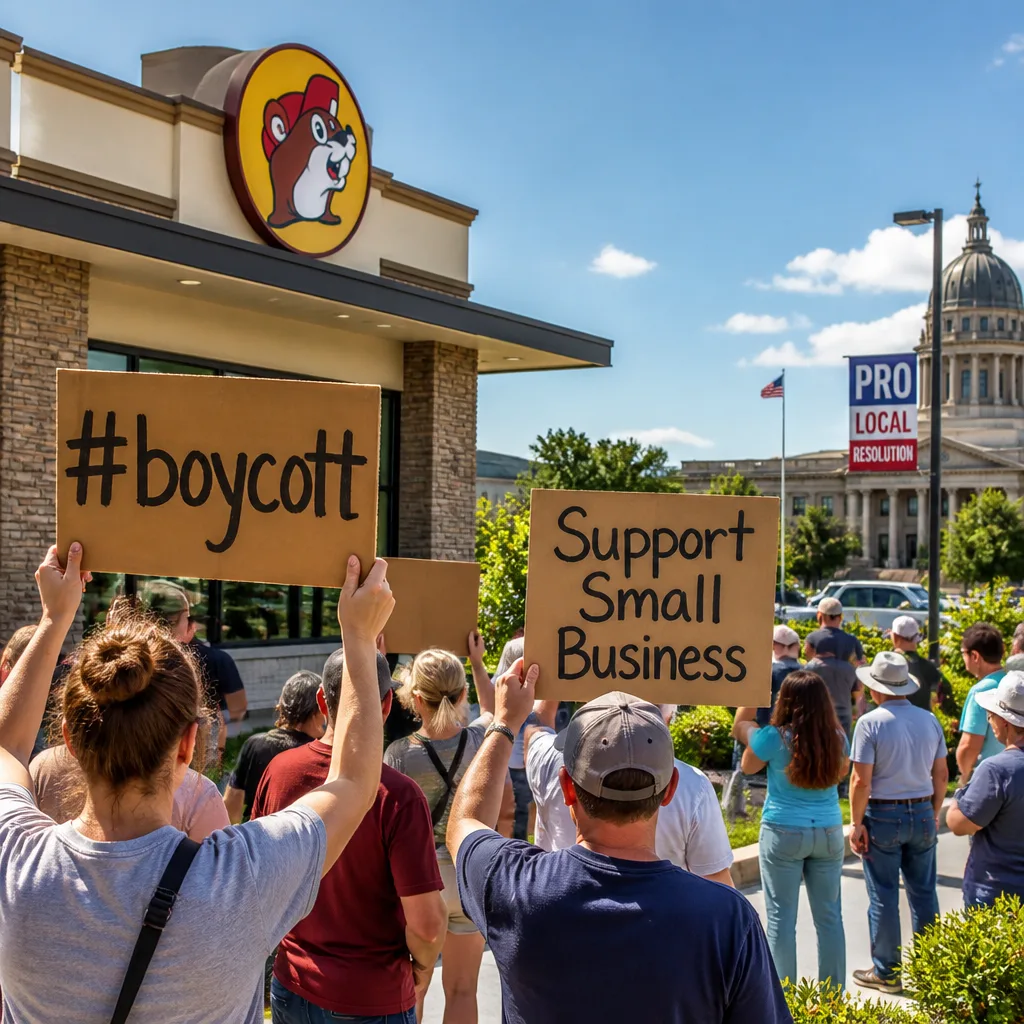
The filing has prompted an outpouring of support for the small business. Online critics have launched a campaign and used the hashtag #boycottbucees, while residents and others have criticized the chain’s legal approach as heavy-handed for taking on a modest, family-run operation.
- Legal action: Buc-ee’s filed a federal trademark infringement suit against Beaver’s Mini Mart.
- Public reaction: Supporters of the mini-mart have organized online and called for boycotts of Buc-ee’s stores.
- Local government: The city of Beavercreek adopted a resolution recognizing the beaver as part of its history.
Celebrity spotlight and cultural reaction
The controversy attracted national media attention and cultural intervention. British comedian John Oliver addressed Buc-ee’s track record of aggressive trademark enforcement on his television program, using the platform to highlight other cases in which the chain has pursued legal claims against businesses using cartoon animals. Oliver’s segment featured a satirical response: a website selling parody merchandise with an altered logo and a mascot named Mr. Nutterbutter, amplifying public awareness and contributing to the online trend.
Photographs accompanying coverage show patrons posing with Buc-ee’s mascot at the Huber Heights location and customers inside Beaver’s Mini Mart in Beavercreek, underscoring the local and consumer-level dimensions of the dispute.
Broader implications for trademarks and small businesses
Trademark enforcement by large chains can raise complex questions about brand protection, marketplace confusion and the balance between intellectual-property rights and small-business survival. Buc-ee’s has a history of protecting its mascot through litigation; the company argues such measures are necessary to preserve the distinctiveness of its brand.
For small operators like Beaver’s Mini Mart, defending against a suit by a national chain imposes potential legal and financial burdens. The city’s resolution declaring the beaver part of Beavercreek’s history and public advocacy for the mini-mart reflect growing community efforts to support independent businesses facing corporate legal pressure.
| Party | Location | Action |
|---|---|---|
| Buc-ee’s | Huber Heights, Ohio (first Ohio store) | Filed federal trademark infringement lawsuit; requested jury trial |
| Beaver’s Mini Mart | Beavercreek, Ohio | Target of lawsuit; received community and online support |
Legal experts and business observers often note that the outcome of such cases can hinge on whether consumers are likely to confuse the two brands and whether the smaller business’s use of a similar mark causes measurable harm. Buc-ee’s assertion of a right to protect its mascot reflects that legal framework, even as the optics of pursuing a local shop have ignited public ire.
What comes next
The litigation is now pending in federal court in Ohio. Supporters of Beaver’s Mini Mart have mobilized both online and locally, and the episode has become part of a larger conversation about corporate power, trademark policing and protection for independent businesses. The dispute may influence how other companies approach enforcement against smaller operators, especially when public reaction can quickly nationalize a local dispute.
As the case moves forward, business owners and legal observers will be watching whether the court prioritizes trademark rights or scrutinizes the broader equities involved when a national chain litigates against a hometown retailer.