
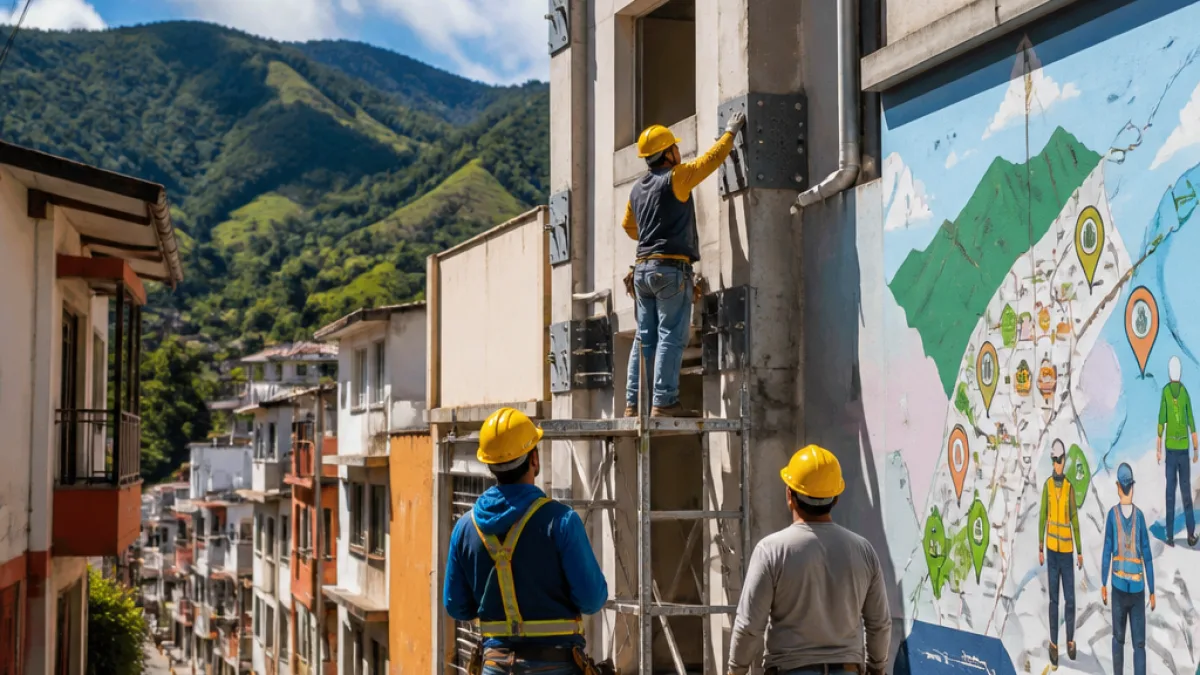
ARMENIA, Colombia — The deadly 1999 earthquake that flattened large swaths of this Andean city and cost nearly a thousand lives prompted a reconstruction effort that changed how Armenia is built and how residents prepare for tremors. When another quake struck years later, local officials and residents say the city’s investments in safer buildings and preparedness made a measurable difference, and reports indicate there were no deaths.
From catastrophe to strict rebuilding
The 1999 temblor, measured at 6.2 magnitude, left about 60 percent of Armenia’s buildings damaged or destroyed and reshaped public thinking about seismic risk in the region. The scale of loss spurred a program of reconstruction that emphasized stronger construction, retrofitting, and public-safety planning. The result, according to reporting, is a city that responded differently the next time the ground shook.
For readers in Washington state, where the Cascadia subduction zone and other faults pose significant earthquake hazards, Armenia’s experience provides concrete examples of how long-term investments can change outcomes when disaster strikes.
What changed in Armenia
- Stronger building practices: Reconstruction after 1999 prioritized seismic-resistant materials and design.
- Public preparedness: Community awareness and readiness drills increased, making responses more organized during later tremors.
- Planning and enforcement: Local officials implemented and enforced building codes aimed at reducing collapse risk.
Those shifts helped reduce the vulnerability of both public structures and private homes, according to accounts from residents who lived through both quakes. Many residents told reporters the later quake felt different not only because the shaking varied, but because people knew what to do and buildings were less likely to fail catastrophically.
| Event | Magnitude | Reported deaths | Notes |
|---|---|---|---|
| 1999 Armenia earthquake | 6.2 | Nearly 1,000 | About 60% of buildings damaged or collapsed |
| Later temblor | — | Reportedly none | Preparedness and reconstruction credited with limiting fatalities |
Lessons for Washington communities
While geological settings differ — California, Oregon and Washington face their own fault systems and the Cascadia subduction zone — several broad lessons in Armenia’s story are applicable to cities and towns across Washington:
- Enforce and update building codes to reflect current seismic science.
- Prioritize retrofitting of older, vulnerable structures such as unreinforced masonry buildings.
- Invest in public education and regular emergency drills so residents and first responders act swiftly when shaking begins.
Washington has taken steps toward these goals in many communities, yet gaps remain in retrofit coverage, enforcement consistency and public awareness. Armenia’s example underscores that those gaps can mean the difference between widespread loss of life and survivable events.
Practical preparedness for households
Officials and emergency managers across the Pacific Northwest advise familiar steps that align with the Armenian experience of improved outcomes after strengthening and planning:
- Secure heavy furniture and items that can fall during shaking.
- Create a family emergency plan and identify safe places to drop, cover and hold on.
- Have at least 72 hours of supplies, including water, medication and basic first-aid items.
Local jurisdictions in Washington can look to Armenia as a reminder that investments in construction standards, enforcement and community preparedness are not just regulatory exercises but life-saving measures. Long-term planning and consistent application of seismic safety measures turned what had been a city marked by tragedy into a model — or at least a hopeful example — for how communities might reduce fatalities when earthquakes occur.
Reporting from Armenia highlights what can happen when a city treats rebuilding as an opportunity to correct known vulnerabilities. For Washington readers, the tangible takeaway is clear: preparedness and resilient building matter before the next quake, not after.
















