Commercial 'paper mills' are openly advertising falsified scientific outputs and authorship on social media and messaging apps, a new analysis shows, creating a cheap and fast route to academic credit that threatens research integrity.
What the researchers found
The study, led by Dr Reese Richardson and colleagues Anna Abalkina and Spencer Hong, assembled what they describe as the largest dataset yet of paper-mill advertising. From 2020 to 2026 they captured more than 18,000 advertisements issued by seven paper mills operating across seven countries. The postings were gathered from platforms including Telegram, Facebook and other websites.
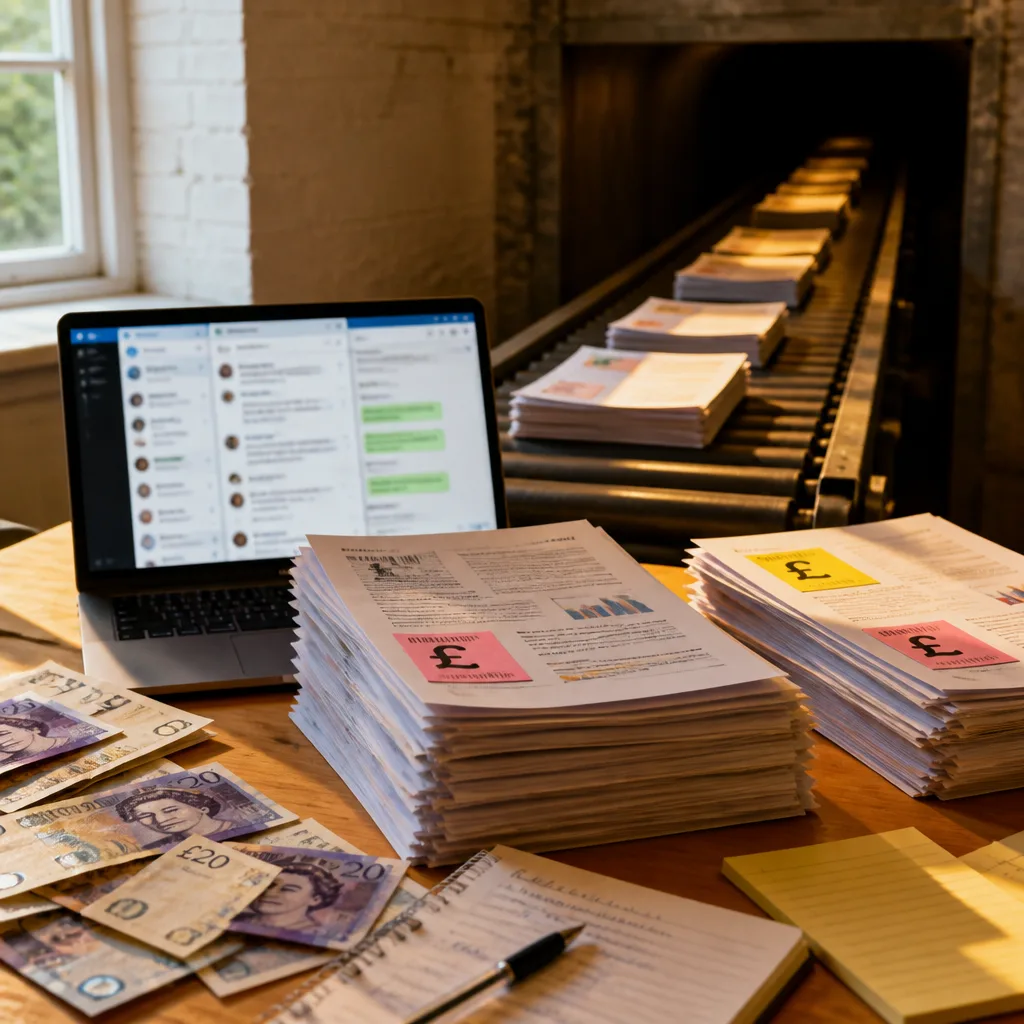
The adverts ranged widely in price. The team reports a median price to buy authorship of about US$800 (A$1,150), while some services were offered for as little as US$30. The paper compiled by Richardson and colleagues has not yet been peer reviewed.
How the market operates
Paper mills exploit the pressure on researchers to publish. In many places academic careers, grant success and reputations hinge on publication metrics, yet producing rigorous work and passing peer review can take years. The mills advertise a shortcut: manuscripts, patents and other scholarly outputs on which buyers can be named as authors in return for payment.
The vendors use instant messaging and social networks to reach potential clients. Richardson, formerly at Northwestern University in the US, said he has joined dozens of groups across apps such as Telegram, WhatsApp and Facebook and monitors the flow of offers into those channels.
“I can just look through my notifications and I can see that I’ve gotten, like, 20 WhatsApp messages from paper mills in the last 24 hours,” he said.
Scale and implications
The scale of the advertisements — thousands over a six-year window — suggests an organised, commercialised ecosystem rather than isolated incidents. Such a market undermines confidence in the scholarly record and creates risks for journals, funders and universities, which may unwittingly validate fabricated work when it passes peer review or when authorship is fraudulently conferred.
Key details from the dataset are summarised below.
| Measure | Reported value |
|---|---|
| Advertisements collected | 18,000+ |
| Paper mills analysed | 7 |
| Countries represented | 7 |
| Median price for authorship | US$800 (A$1,150) |
| Lowest advertised price | US$30 |
What this means for UK science
For UK universities and research funders the findings reinforce the importance of robust research integrity checks. Editorial offices and peer reviewers already screen manuscripts for plagiarism and falsified images; the emergence of a marketplace for authorship requires additional vigilance — for example, stricter authorship verification, transparent declarations of contribution and stronger post-publication scrutiny.
There are also policy implications. Professional bodies, funders and regulators may need to collaborate across borders to disrupt the commercial networks that facilitate paper mills, while institutions should ensure promotion and hiring criteria do not inadvertently reward quantity of publications over demonstrable research quality.
The dataset is a significant step towards quantifying a phenomenon long discussed in abstract terms. By cataloguing tens of thousands of live advertisements, the researchers provide concrete evidence that paper mills are active, organised and commercially viable. The next steps will be to trace the outputs of those adverts back to journals and databases, and to assess how many paid-for products have entered the scientific literature undetected.
- 18,000+ adverts recorded from 2020–2026
- Median US$800 to buy authorship; offers from US$30
- Data collected from messaging apps and social platforms including Telegram, WhatsApp and Facebook
The analysis underlines a growing challenge for research integrity worldwide: where there is demand for quick academic advancement, commercial actors will supply a product, however fraudulent. Confronting that market will require coordinated action by journals, universities and funders to restore incentives towards rigorous, verifiable scholarship.