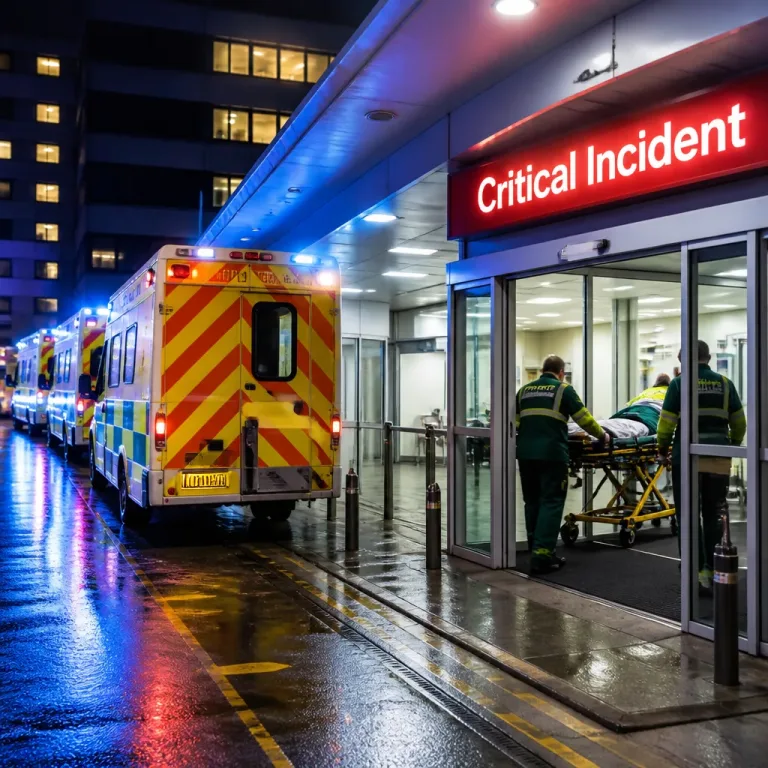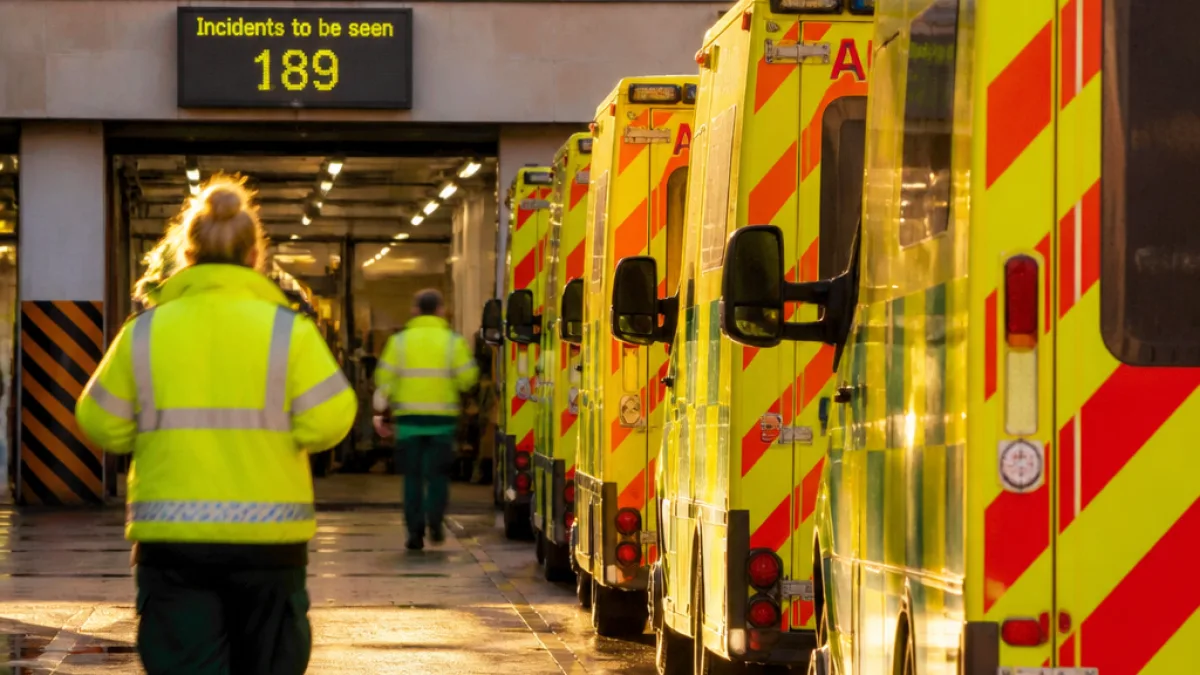
London’s emergency medical response was pushed to levels not seen since the early Covid-19 years as soaring temperatures in June produced an unprecedented surge in 999 demand, the London Ambulance Service (LAS) has said.
LAS reported it took more than 53,000 emergency calls during the June heatwave and temporarily deployed an extra 600 ambulance crews to meet demand. Across June and July the service received more than 403,000 calls, roughly 25,000 higher than the same period last year.
Pressure on crews during record heat
Alex Ewings, the LAS strategic commander, described the weather-driven increase as “some of our busiest weeks that we've seen”. He said teams treated patients for cardiac arrests and breathing difficulties as well as those whose conditions became life-threatening after being exposed to high temperatures.
"We are still having some really busy days. We're receiving about 6,000 calls a day, which is still busy, but not as much as the June heatwaves - it's more than the 5,500 that we typically see this time of year."
The surge forced the service to bolster its response capacity. The additional crews were used to tackle the spike in life-threatening calls and to keep ambulances moving across the capital’s boroughs during the hottest spells.
Who has been most affected
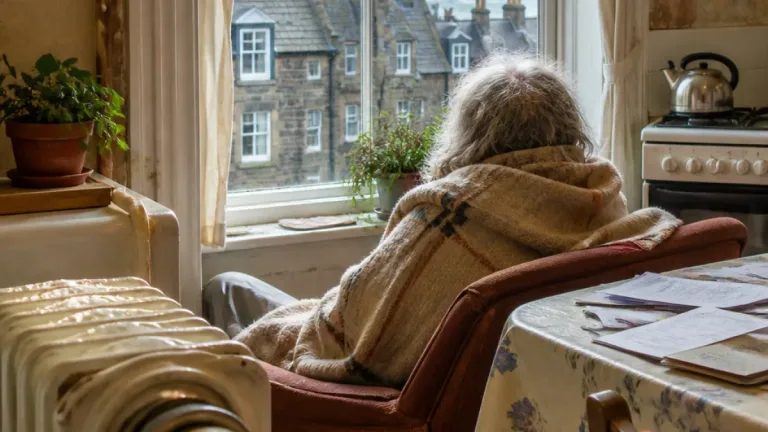
LAS emphasised that heat particularly affects people with long-term underlying conditions. The service warned that vulnerable residents can deteriorate quickly when exposed to prolonged high temperatures, requiring urgent medical attention.
On days when temperature warnings are issued — the Met Office had an Amber Heat-Health Alert in place as the capital faced temperatures expected to reach 36C — emergency services saw call volumes spike above their seasonal average.
Practical steps urged by ambulance command
Ewings urged Londoners to support relatives and neighbours who have chronic health problems and to follow sensible precautions in the heat. His public advice included hydration and moderation when consuming alcohol outdoors.
- Check on friends and relatives with long-term health conditions.
- Stay hydrated and avoid excessive alcohol in hot weather.
- Limit prolonged exposure to direct sun on very hot days.
Those measures, LAS said, could reduce preventable strain on emergency services while protecting at-risk people from heat-related illness.
Numbers at a glance
| Period / Measure | Number |
|---|---|
| Calls during June heatwave | 53,000+ |
| Calls in June–July | 403,000+ |
| Increase on same period last year | 25,000 |
| Additional ambulance crews deployed | 600 |
| Typical calls per day this time of year | 5,500 |
| Calls currently per day | 6,000 |
The data underline how weather extremes amplify demand on London’s health infrastructure even outside pandemic circumstances. Ambulance services operate within a wider emergency and health system, and sustained spikes in 999 calls can have knock-on effects on hospital ambulance handovers, treatment times and resource availability for non-heat-related emergencies.
Residents across London reported busy streets during heat peaks, with community groups and volunteers stepping in to check on isolated elderly neighbours and offer water or shade where possible. While those local efforts do not replace clinical care, they can help prevent conditions worsening to the point of needing emergency attention.
As directorates and councils prepare for future heat events, the LAS message is clear: small, practical actions by individuals and community networks can reduce pressure on ambulance crews and save lives. Londoners are being asked to plan ahead for hot spells, keep an eye on vulnerable people and follow the service’s guidance about hydration and avoiding excessive alcohol in the sun.
With climate scientists forecasting more frequent and intense heat episodes, how the capital adapts — from public cooling spaces to health-service surge plans — will be central to protecting the most exposed residents and keeping emergency services responsive when temperatures climb again.
Reporter note: figures and quotations are drawn from statements released by the London Ambulance Service.