As the Gulf’s hospitality sector expands rapidly and artificial intelligence alters the meaning of classroom assessment, higher education in hospitality is confronting a stark question: can traditional courses evolve quickly enough to produce graduates ready for frontline service?
Practical skills vs theoretical assessment
Universities and specialist institutes that have long taught hospitality through lectures, textbooks and memorisation-based exams are being forced to rethink their methods. The region’s ambitious plans — including Abu Dhabi’s Tourism Strategy 2030, a pipeline of major sporting events and the legacy of Expo — are generating demand for staff at a scale the sector has not previously experienced.
Against that background, a recent finding cited from Jaramillo‑Plata (2025) that 58% of hiring managers globally do not consider college graduates genuinely workforce-ready has added urgency to calls for change. Educators are asking whether assessments that can now be completed by generative AI still measure the attributes employers need in a live service environment.
What practical learning offers
Supporters of vocational reform argue the answer is not to resist technology but to focus on what machines cannot replace. Hospitality relies on skills developed through practical experience: managing a queue, delivering consistent front‑of‑house service, and demonstrating guest empathy are learned through doing rather than recalling information in a written exam.
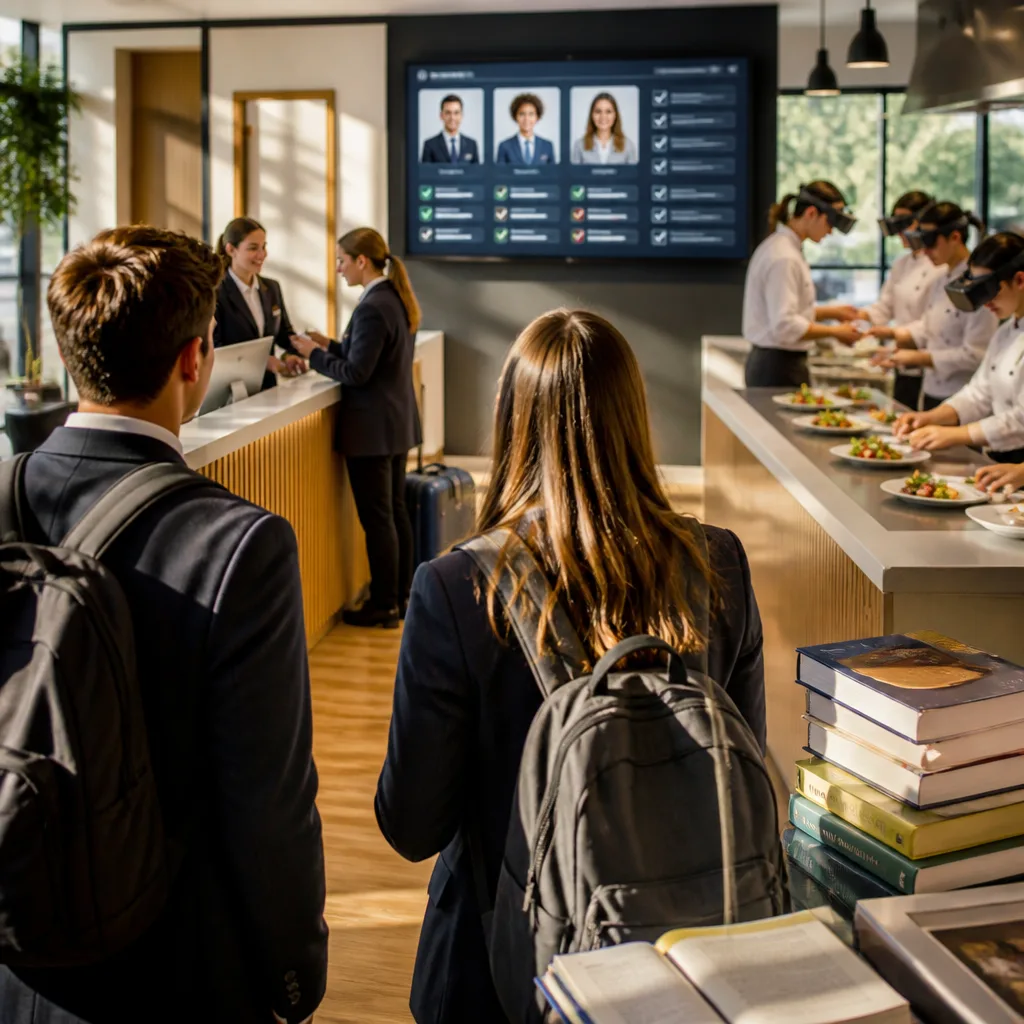
The commentary draws on scenes such as students in chef uniforms attending events at established training centres — an illustration of the sector’s long-standing emphasis on experiential learning — and suggests modern hospitality programmes must lean further into workplace simulation, apprenticeships and real‑world placements.
- Workplace experience: longer and higher‑quality placements with industry partners to build practical competence.
- Assessment redesign: moving away from memorisation and towards observed, competency‑based evaluation.
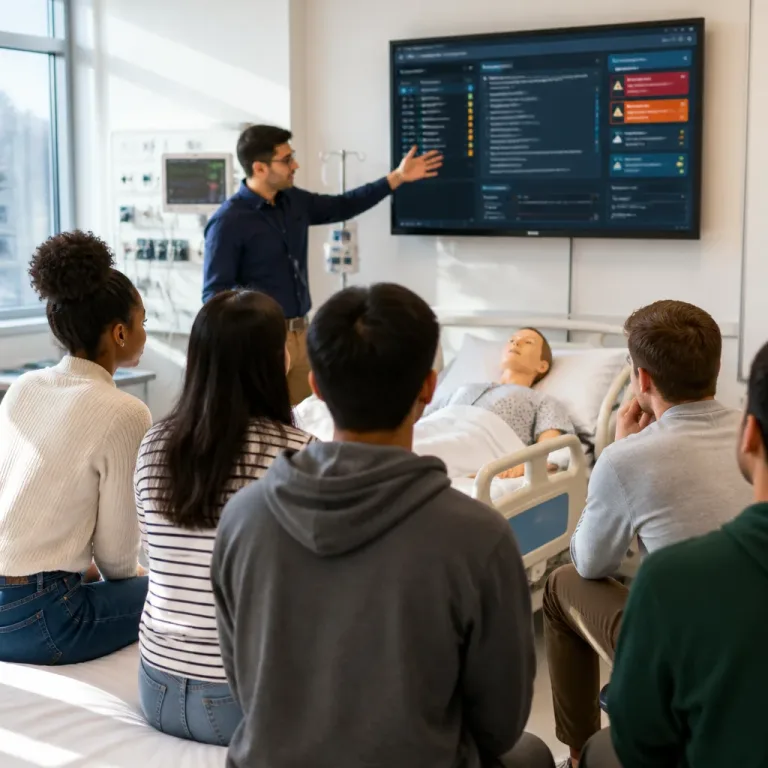
- Technology integration: using AI as a tool for practice and reflection rather than a substitute for hands‑on assessment.
Implications for institutions and employers
The piece highlights a twofold pressure. First, supply must be expanded and fast‑tracked to meet immediate labour market demand driven by major events and tourism strategies. Second, curricula must be reconfigured so that assessment demonstrates skills that are demonstrably transferable to live service settings.
For colleges and universities this means closer partnerships with hotels, restaurants and event operators, and greater emphasis on simulated environments that replicate the pressures of a five‑star lobby or a busy kitchen. For employers, it means collaborating on learning outcomes and recognising qualification reforms that prioritise observed competence over theoretical recall.
| Issue | Implication |
|---|---|
| Rapid sector growth | Need for quicker, larger talent pipelines |
| Generative AI | Traditional assessments may no longer prove practical readiness |
| Current teaching model | Lectures and memorisation insufficient for live service skills |
Policymakers and educators must now weigh how to preserve academic rigour while ensuring that qualifications measure what matters on the ground. That challenge is not unique to the Gulf: any jurisdiction seeking to expand tourism at pace must decide how training, assessment and employer standards align.
Ultimately, the debate centres on prioritising learning that translates into competent performance in high‑pressure, guest‑facing roles. If assessments continue to reward recall that can be replicated by a machine, graduates risk arriving in workplaces untested on the very tasks they will be expected to perform.
For students, parents and prospective employers, the message is clear: the value of hospitality qualifications will increasingly depend on how well they certify practical capability, not just theoretical knowledge.