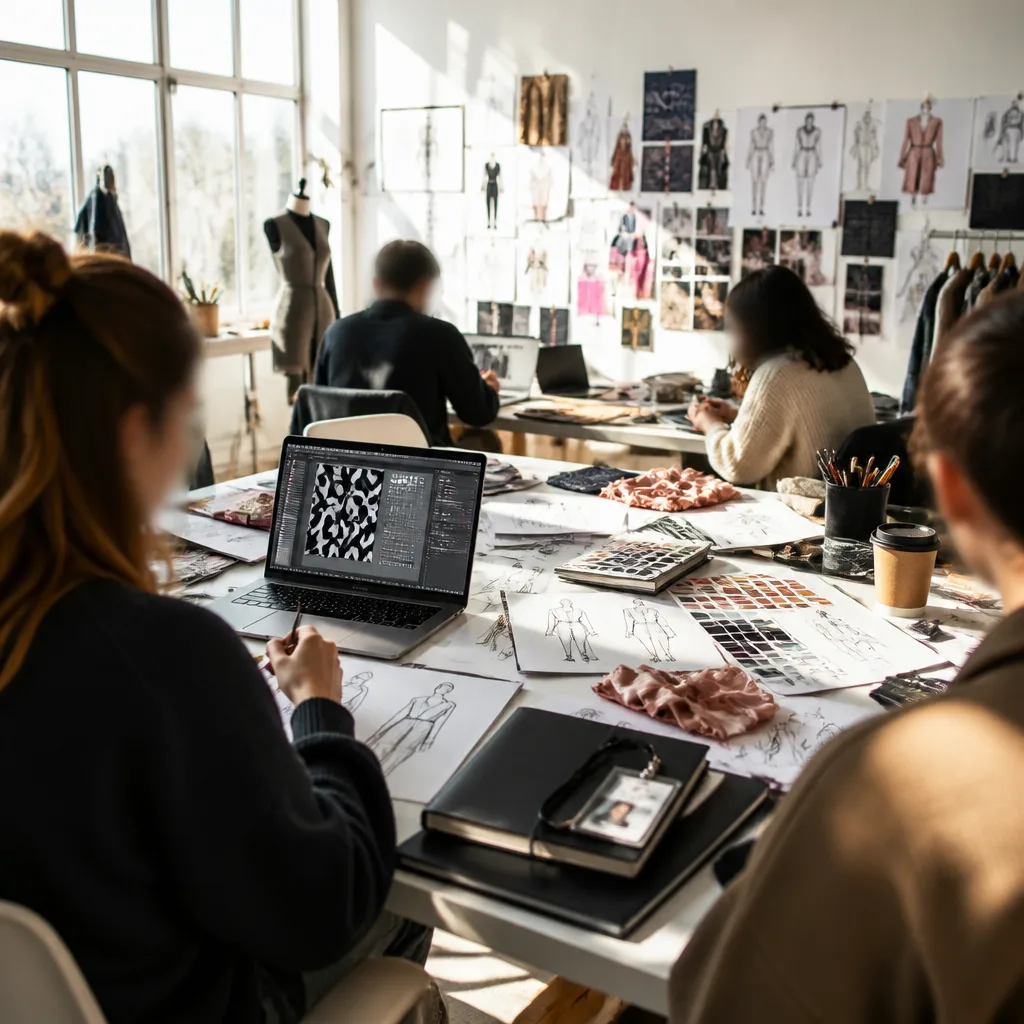
Fashion education in India is undergoing a notable transformation as students and institutions respond to new industry realities driven by technology, the creative economy and changing employer expectations. What once was often framed as a narrow vocational route into design is increasingly presented as an interdisciplinary gateway into a wide range of careers beyond traditional pattern-cutting and garment construction.
From the studio to strategy
Where older generations were commonly steered towards professions such as engineering, medicine, law and commerce, young people exploring higher education are now seeing creative courses as viable and diverse options. For those studying fashion, the range of relevant roles has expanded markedly. Programmes now prepare graduates for positions in:
- fashion communication, styling and photography
- merchandising, buying and retail
- fashion technology, UX and branding
- marketing, sustainability and luxury business
- creative entrepreneurship
This shift has led institutions to design courses that combine creative practice with business studies, digital skills and research methods so students can adapt to a rapidly changing sector.
Artificial intelligence: challenge or catalyst?
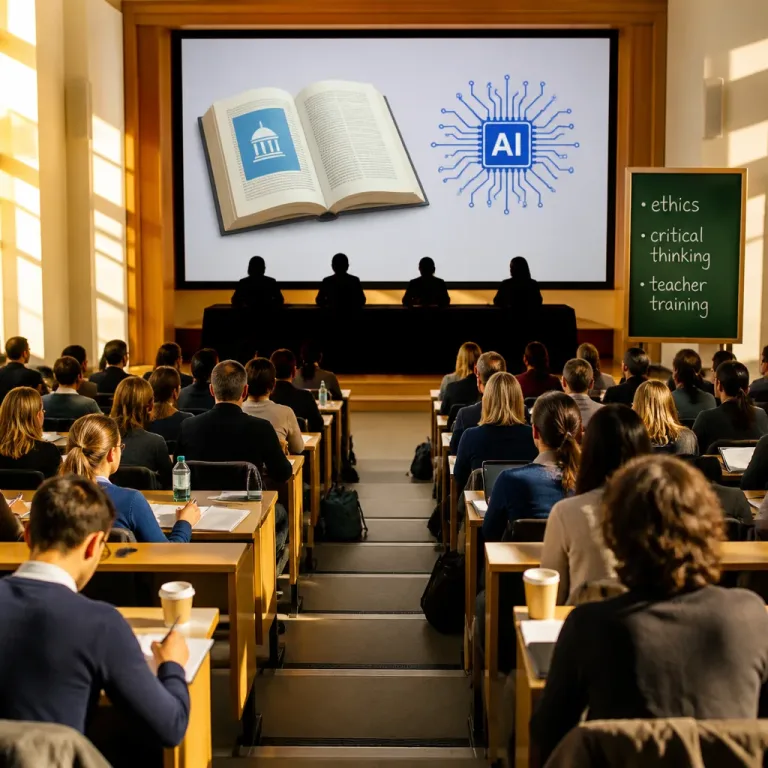
Educators are wrestling with how best to prepare students for a labour market in which artificial intelligence (AI) is already altering professional workflows. Rather than supplanting creative skills, AI is being presented as a tool that changes how designers and fashion professionals research, develop and communicate ideas. That reframes the curriculum priorities: technical craft remains important, but so do critical thinking and the ability to judge and refine outputs generated by technology.
Programmes that integrate exposure to emerging technologies alongside studio practice are, therefore, seen as better equipping graduates to operate across both analogue and digital domains. Practical elements such as portfolio development, industry projects and internships are emphasised as essential complements to theoretical learning.
What students should weigh up
Prospective applicants are advised that the degree title alone does not determine employability. The learning environment and opportunities available during study matter just as much. Factors that can influence how well a course prepares students include:
- access to industry placements and professional mentoring
- opportunities for collaborative projects and live briefs
- facilities and platforms for developing a professional portfolio
- integration of new digital and AI-driven tools within the curriculum
| Course focus | Skills emphasised |
|---|---|
| Studio and craft | Design techniques, material knowledge, hand skills |
| Business and marketing | Merchandising, branding, market awareness |
| Technology and UX | Digital tools, user-centred design, fashion tech |
Implications for policy and institutions
The evolving landscape presents choices for policymakers, universities and colleges. If fashion education is to deliver graduates who can contribute across a broad creative economy, curricula and funding models may need to support interdisciplinary teaching, investment in technology and stronger links with industry. Apprenticeships, internships and employer partnerships will be central to giving students authentic workplace experience.
For teachers and course leaders, the priority is to balance the preservation of core craft skills with equipping students to interrogate and harness technological tools. For students, the message is pragmatic: the sector rewards portfolios, practical experience and the ability to demonstrate both creative imagination and critical judgement when working with AI and other digital systems.
As the creative economy expands, the boundaries between fashion, technology and business look set to remain porous. That presents opportunities for graduates willing to work across disciplines, and for institutions that adapt their programmes to reflect the multi‑faceted nature of contemporary fashion careers.